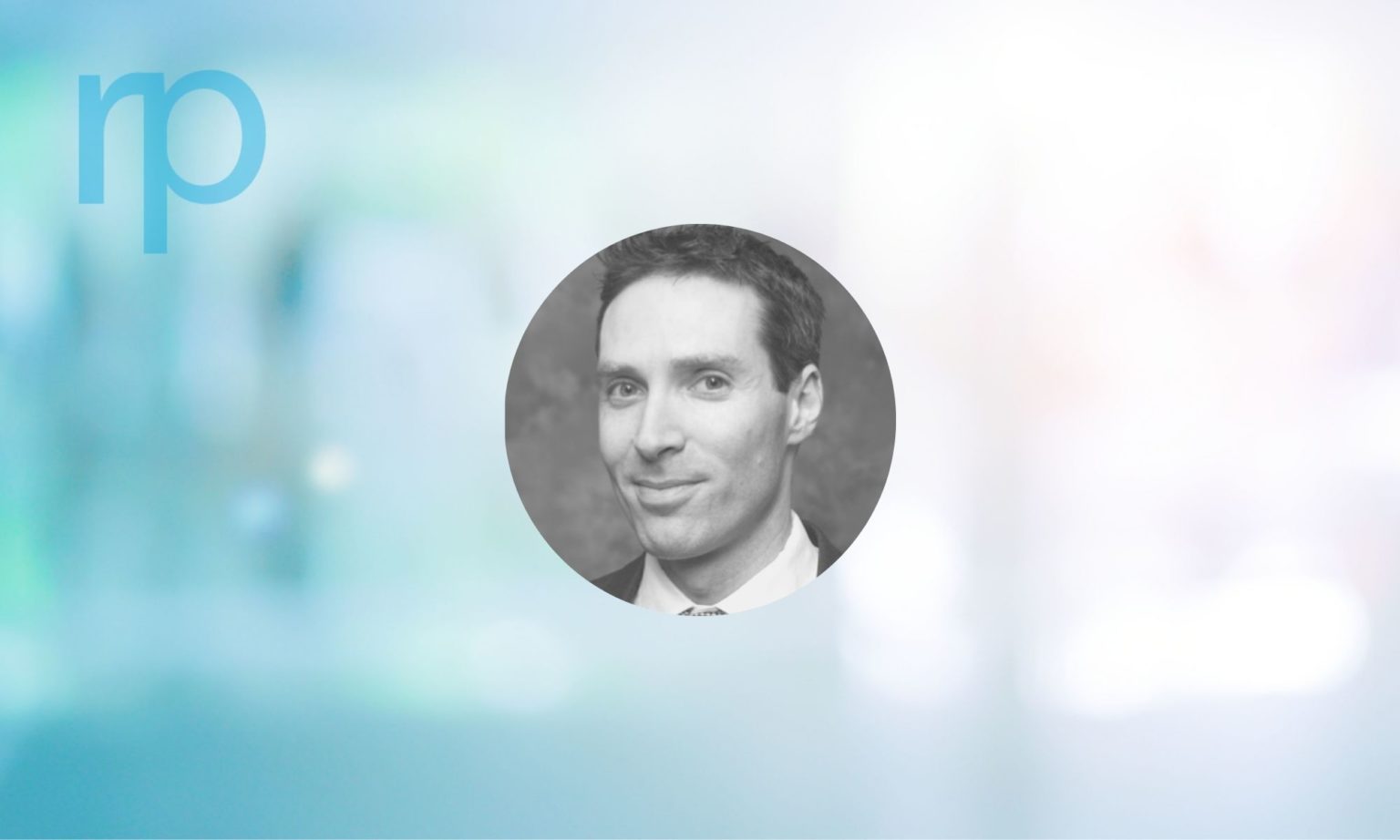
Why RP? Q&A with Dr. Jeffrey Wasserman

Why RP? A Q&A with Dr. Jeffrey Wasserman, Breast Imaging Radiologist

Dr. Wasserman discusses how RP is changing the radiology landscape for the better.

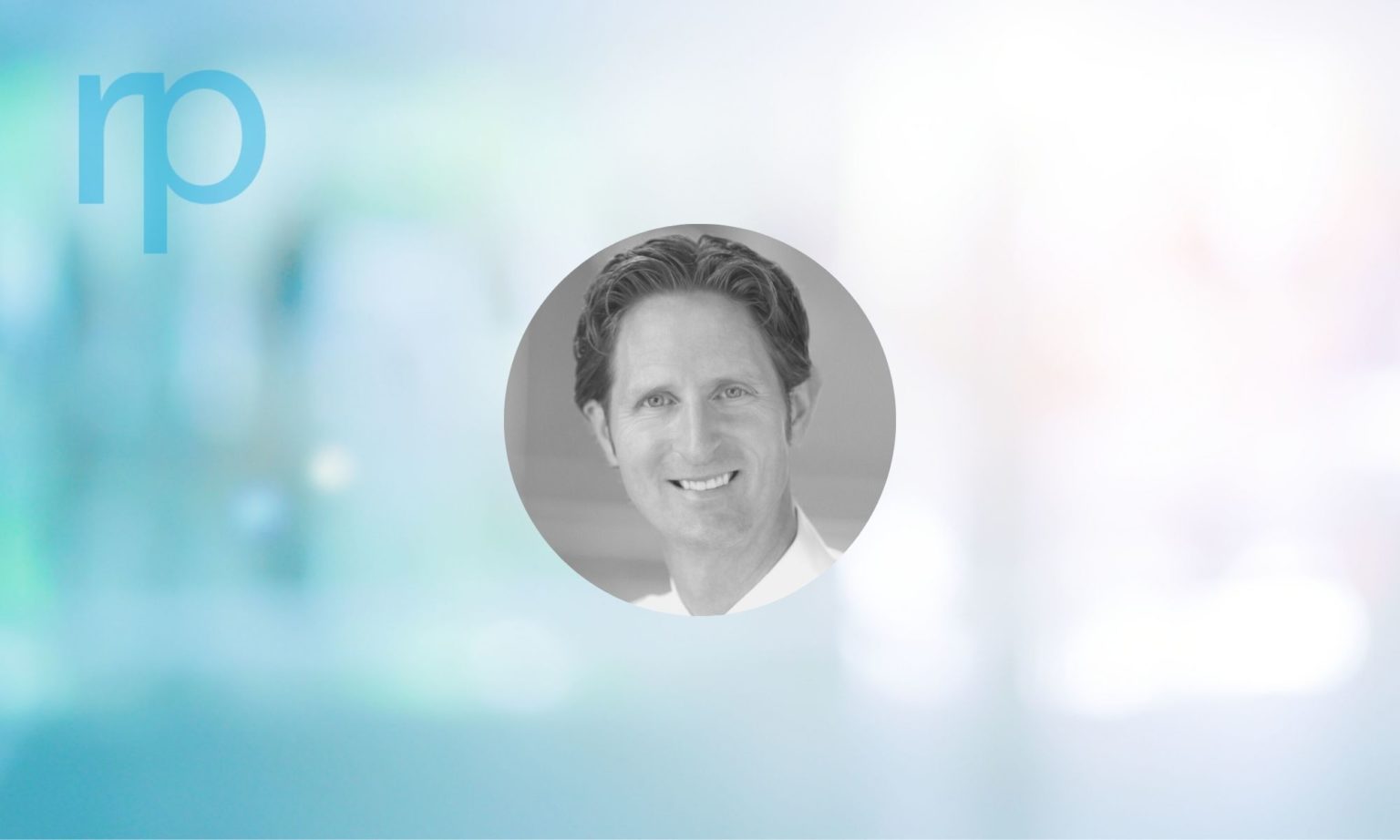
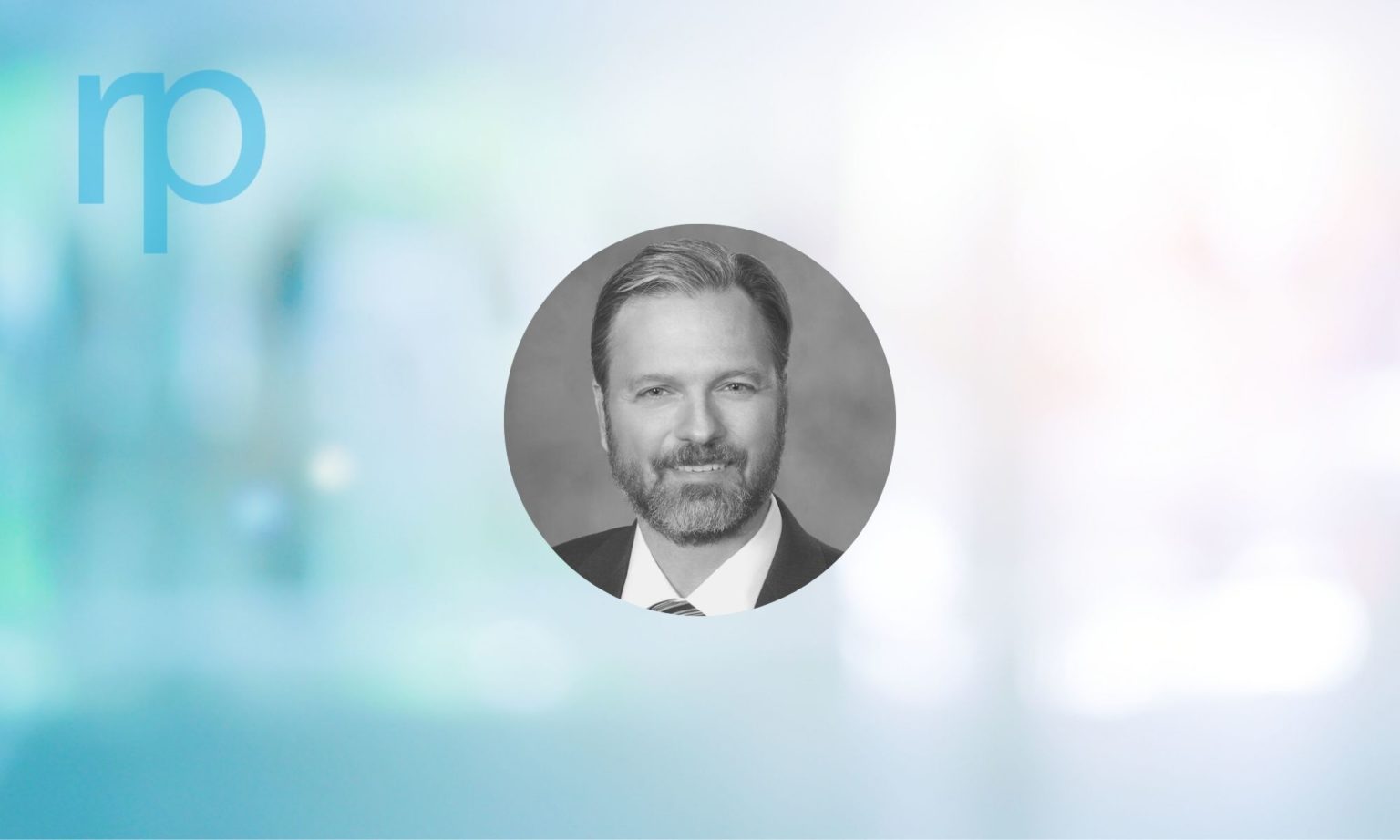
Dr. Jeffrey Wasserman

Dr. Jeffrey Wasserman

Dr. Jeffrey Wasserman is a breast imaging radiologist and member of RP’s physician recruiting support board. Outside of radiology, he values spending time with his wife and two children; and he enjoys kayaking, sailing and camping in his home of Sarasota, Florida. We talked to Dr. Wasserman to learn more about his career in radiology and how he connected with RP in 2017.

“There are many benefits and features that RP offers you can’t find elsewhere. No other practice can connect leading radiology experts from across the country and scale the clinical resources available from those experts like RP.” – Dr. Jeffrey Wasserman

Why did you pursue radiology?

I was looking for a career that would allow me to stay up to date with the latest cutting-edge technology in medicine while still performing procedures. Radiology offers the opportunity to be on the front lines of healthcare innovation so that we can offer the best patient care.

What has your experience been like at RP?

My practice partnered with RP in 2017, and since then, RP has been an amazing experience for us. I’m excited to see RP change the radiology landscape for the better. There are many benefits and features that RP offers you can’t find elsewhere. RP’s dedication to enhancing technology, economics and efficiency of the practice of radiology directly supports improving care for our patients. No other practice can connect leading radiology experts from across the country and scale the clinical resources available from those experts like RP.

How will RP contribute to the future of radiology?

The future of radiology looks extremely bright due to the ability of RP to stabilize the market and continue to introduce new technologies that make us all practice radiology better.

Dr. Jeffrey Wasserman earned his medical degree from Philadelphia College of Osteopathic Medicine and completed his residency at Hahnemann University Hospital in Philadelphia.

Radiology Partners, through its owned and affiliated practices, is a leading physician-led and physician-owned radiology practice in the U.S. Learn more about our mission, values and practice principles at RadPartners.com. For the latest news from RP, follow along on our blog and on TwitterLinkedIn,  Instagram and YouTube. Interested in learning about career opportunities? Visit our careers page.


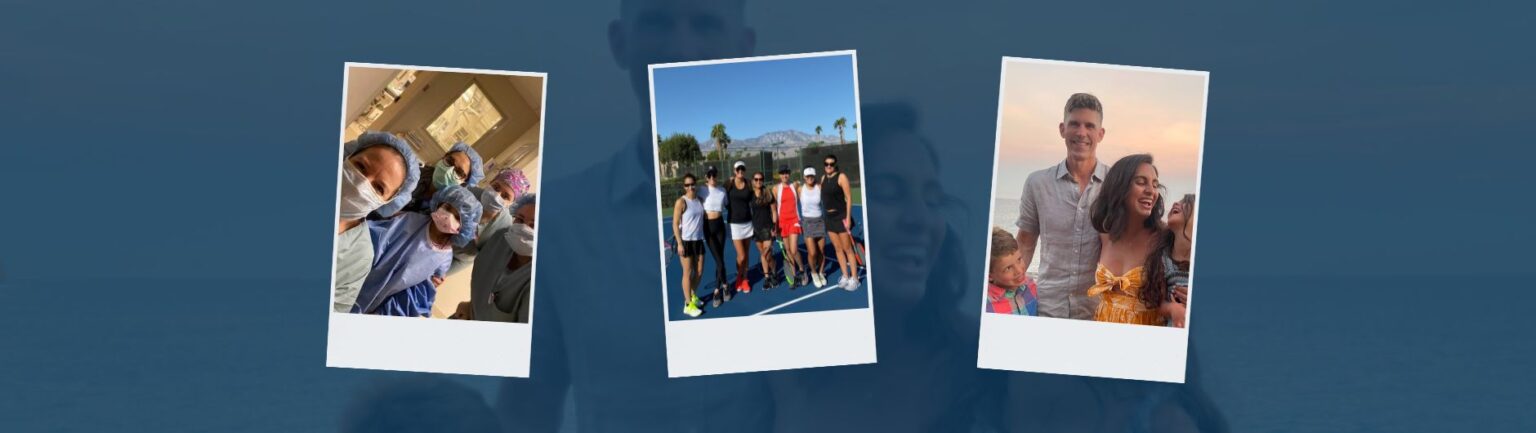
Anisha Martin with family and coworkers

Why RP? A Q&A with Dr. Anisha Martin, Vascular and Interventional Radiologist

Dr. Martin shares about her journey to radiology, her passion to connect women trainees to her subspecialty and the support she is offered at RP.

Dr. Anisha Martin is a vascular and interventional radiologist in Chicago and a member of Radiology Partners’ (RP) physician recruiting support board. She is passionate about helping female radiologists pursue interventional radiology (IR), a subspecialty traditionally comprising only ~34% women. She also values work-life balance, as a mother to two young children, wife, avid tennis player and world traveler. We talked to Dr. Martin to learn more about her career, advocacy for women in IR and experience at RP.

Why did you pursue radiology?

It was kind of a long road for me, in the sense it took me a few mental hurdles to get here. Originally, I applied to match with a general surgery residency, planning to be a trauma surgeon. My mentor was a surgeon, and she was pivotal in my decision to transition to radiology. I remember her saying to be a surgeon, surgery needs to be my only interest. However, I liked all of medical school and medicine in general. Radiology, specifically interventional radiology, allows me to have a hand in almost every part of the body and disease process while interacting with every type of subspecialty and physician, and IR allows me to keep up with the surgical life I was drawn to initially. I carry this message to other female physicians who may be interested in IR, and I help advance this important work through my involvement in Women in SIR and other forums that allow me to open doors for other female radiologists.

How did you connect with RP?

I have a bit of a unique story. When I was a fellow and initially spoke to my practice in Chicago, they were in the process of partnering with RP. I interviewed with the independent practice mentality, but by the time I was ready to sign the contract, they had officially partnered with RP. I’d like to consider myself part of RP from the ground up; my practice was one of RP’s first large practice partnerships, so I’ve seen RP grow from the early stages of several radiologists in one or two states to where we are now with radiologists all over the country.

What excites you about RP?

One of RP’s biggest selling points is flexibility. RP has a national network any radiologist can fit into at any point in their career. I know late-career radiologists who are looking to transition to a part-time remote model, and there’s something available for them. I know early-career radiologists who want to stay in academic IR, and there’s something available for them. Someone from my practice moved out of state for family reasons but remained part of the RP family, making for a smooth career transition. To be able to transition seamlessly within the same network with a sense of familiarity you’ve already developed is one of the biggest pluses of our practice.

Another advantage—RP is a practice that is truly locally led but also part of this amazing national organization that provides technology platforms, billing procedures, IT help and other things radiologists don’t want to deal with daily. Knowing those things are taken care of efficiently and effectively, I can focus on my patients and the cases I’m reading that day. A lot of details are taken care of by the network RP built to allow radiologists to focus on being radiologists.

What are some of the unique features RP offers?

I have a network of colleagues across the country who are thought leaders in radiology. I can lean on them, ask for support, bounce ideas off each other and collaborate, which is really cool. To have the ability to talk to radiologists in other practices in other states about an interesting case or run a complex case by a specialized pediatric radiologist is an interesting part of our dynamic. We’re not limited to the number of radiologists in our immediate practice—we can share ideas, concepts and cases with radiologists who are the best at what they do across the country. I think that is really exciting.

Since joining RP, has your opinion changed, or has anything surprised you?

When you take your first job, everybody tells you to expect to be there for three to five years. That’s the mentality I went into it with, to be honest. I wasn’t sure what to expect, because RP was so new, and nobody really knew what it would mean to be a partner with RP. I have continued to be pleasantly surprised. For example, during a rough pregnancy, working the full IR lab schedule was tough. With the support of my amazing partners and the flexibility offered within RP, I was able to temporarily transition to remote reading. In another situation, I don’t know if that opportunity for flexibility would have been available in another practice or if I would have had the support of both the practice and my partners to be able to do that for a few months.

I’ve been part of RP for almost 10 years because the people here continue to show me who they are and what this practice stands for. Partner physicians voted on our core values, and everybody here strives to embody those values. It’s a real pleasure to work with people I can call my friends and see the practice evolve to be able to support me in different ways throughout my career.

What does the future of radiology look like, and how will RP contribute to that?

There’s a lot of excitement happening in radiology, and wherever you are in our field, you want to be aligned with thought leaders in that progression. For instance, artificial intelligence is a huge hot topic right now in radiology, and RP is stepping in and saying, “We understand this technology is coming; it’s out there and it’s going to be a part of the specialty. We want to determine what role this is going to play for our radiologists moving forward, as opposed to being a passive recipient of innovation.”

Trends like market consolidation are certainly not unique to radiology. In fact, it happened in emergency medicine and anesthesiology well before we saw consolidation in radiology. The difference for us: RP truly is a practice, not a company. It’s one of our practice principles, and we talk about it a lot because it’s true. I have never once felt like I work for “the man.” I feel like I have ownership of this business, I take pride in my work daily, and I love the people I work with as well as the people I’ve gotten to know throughout the RP network of practices. RP ensures our people and the practice of medicine are the priority, and that is a differentiator in the larger setting of consolidation of medicine. I have never felt like I am just another number or a replaceable quantity. RP is a thought leader in that regard and is intentional about what the future of radiology will look like. I think it’s easy for the human element of practicing medicine to get lost a little bit, but RP does a great job of keeping our radiologists at the forefront.

Dr. Anisha Martin (LinkedIn) earned her medical degree from Northwestern University in Chicago; completed her residency in diagnostic radiology at Vanderbilt University Medical Center in Nashville; and completed her fellowship in vascular and interventional medicine at Northwestern Memorial Hospital. She joined RP in 2014.

Radiology Partners, through its owned and affiliated practices, is a leading physician-led and physician-owned radiology practice in the U.S. Learn more about our mission, values and practice principles at RadPartners.com. For the latest news from RP, follow along on our blog and on TwitterLinkedIn,  Instagram and YouTube. Interested in learning about career opportunities? Visit our careers page.


Dr. Gavin Slethaug

Physician Spotlight: Dr. Gavin Slethaug

In March, RP announced the launch of the Office of the Chief Medical Officer (CMO), naming 13 radiologists to senior executive leadership roles. One newly named Associate CMO is Dr. Gavin Slethaug, Associate CMO for Growth.

Dr. Slethaug is an interventional radiologist for Honor Health/Southwest Medical Imaging (SMIL)/Southwest Diagnostic Imaging (SDI) in Arizona. He has served in a number of leadership positions including Chair of Interventional Radiology, Chief Medical Officer, Vice President and Board Member. Additionally, he worked to facilitate multiple mergers of healthcare practices, including SMIL, EVDI Medical Imaging and Valley Radiologists professional practices to form SDI; the partnership of SDI with RP; and the joint venture of Honor Health and SMIL Outpatient Imaging. Since joining RP in 2017, Dr. Slethaug has served as RP’s Executive Vice President of Practice Partnerships in addition to his newer role as Associate CMO for Growth. Dr. Slethaug earned his medical degree from the University of Toronto Medical School in Toronto, Canada, and completed his residency and fellowship in Interventional Radiology at the Mallinckrodt Institute of Radiology, Washington University Medical Center, in St. Louis, Missouri. He is a lifelong learner who is dedicated to self-improvement and the success of his teammates.

As Associate CMO of Growth, Dr. Slethaug will lead and support all initiatives of the RP growth team, including practice partnerships (mergers and acquisitions), internal market development (sales) and national health system relationships.

We sat down with Dr. Slethaug to learn more about his aspirations for RP’s Office of the CMO and his role as Associate CMO for Growth.

Tell us about your tenure/history with RP.

My local group, SDI, joined RP in 2017.  Since joining RP, I’ve served on our Local Practice Board at SDI and have also become involved in roles on behalf of the national practice. These have included serving on the Revenue Cycle Management and Practice Partnership Support Boards, serving as EVP of Practice Partnerships, and more recently, becoming Associate CMO for Growth and Development.

What attracted you to RP?

Mission, culture and strategy. I believe in our mission to transform radiology, and I believe that our culture and strategy will enable our success.

How has your experience prepared you for your role as Associate CMO of Growth?

On the local level, I’ve always enjoyed building programs and working to create growth opportunities. From a clinical perspective, these have included multidisciplinary clinical initiatives to improve patient outcomes. From a development perspective, these have included more complex partnerships and joint ventures with practices and healthcare systems locally.

Since joining RP, I’ve been very involved in the practice partnership (M and A) component of the growth team, and to a lesser extent, I’ve been involved with the internal market development and hospital systems’ components. I look forward to working towards the continued success of all facets of the growth team.

What do you want to accomplish in this role?

I want to continue to enable smart growth of RP in order to drive our mission. With 2,500 radiologists, we’re able to do many innovative things that couldn’t be done at 100 rads. In turn, at 10,000 radiologists, we’ll be able to do many innovative things that can’t be done at 2,500 rads.

What does the future of radiology look like in 5 years? 10 years? How will RP contribute to that?

I don’t have a crystal ball, but my assumption is that the medical landscape will continue to change in the next 5-10 years.  Payors and hospital systems will continue to get larger, and different payment models will evolve. Our clients and patients will continue to expect ongoing improvement in radiology quality and value, and they will be expecting better data to support this.

Having said that, I’m excited about radiology’s future, and I’m excited about the positive steps that RP is taking to fulfill its mission and contribute to the overall success of our field. We intend to be a leader in demonstrating clinical value; mentoring and producing physician leaders; overinvesting in IT and AI to enable radiologist-friendly solutions which benefit our patients; and advocating on behalf of our patients and our profession.

Dr. Gavin Slethaug is the Associate Chief Medical Officer for Growth at Radiology Partners, a leading physician-led and physician-owned radiology practice in the U.S. For the latest news from RP, follow along on our blog and on TwitterLinkedIn and Instagram.


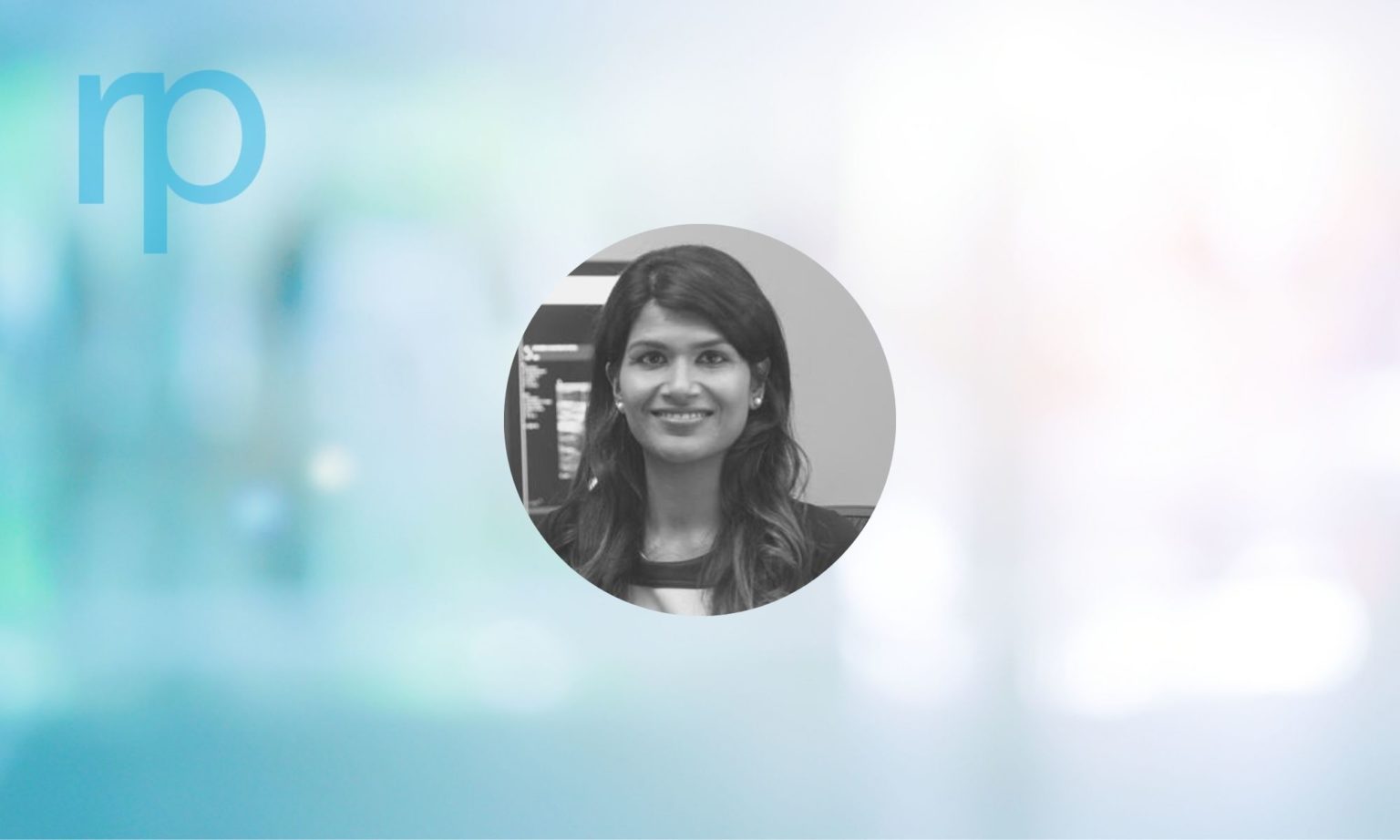
Dr. Arthy Saravanan

Physician Spotlight: Dr. Arthy Saravanan

In March, RP announced the launch of the Office of the Chief Medical Officer (CMO), naming 13 radiologists to senior executive leadership roles. One newly named Associate CMO is Dr. Arthy Saravanan, Associate CMO for Recruitment.

Dr. Saravanan is a breast imaging radiologist for ARA Diagnostic Imaging serving the Austin, Texas region. Dr. Saravanan is the chair of ARA’s Marketing committee and a member of ARA’s Executive Committee. Additionally, she serves as Assistant Professor for the Department of Diagnostic Medicine at Dell Seton Medical Center at the University of Texas in Austin. She received her medical degree from Indiana University School of Medicine, Indianapolis, Indiana; completed her residency in radiology at Providence Hospital in Southfield, Michigan, and Aultman/Mercy Hospital/NorthEast Ohio Medical University, Canton, Ohio; and completed her fellowship in breast imaging at the University Health Network at the University of Toronto, Toronto, Ontario, Canada. She joined RP in 2019.

As ACMO for Recruitment, Dr. Saravanan will partner with recruiting support board and teammates to develop national recruiting strategy and collaborate with the brand development team to further elevate the RP brand.

We sat down with Dr. Saravanan to learn more about her aspirations for RP’s Office of the CMO and her role as Associate CMO for Recruitment.

Tell us about your tenure/history with RP.

I joined RP in February 2019 with ARA. Prior to that, I had recently finished my fellowship in 2017. When I was interviewing, I considered several jobs with RP, and one of my top choices was an RP job in Houston. Subsequently, after I took the job in ARA, we decided to collaborate with RP. It is interesting to have both of those perspectives –looking at RP as a new radiologist fresh out of training and actually joining RP as part of a local practice.

What attracted you to RP?

I was very drawn to RP’s overall mission of transforming radiology and being locally led with a national presence. Within the first few months of joining RP, I was able to see that the practice really did hold to their motto of being locally governed. I didn’t see any significant changes on the local level, but now we had the opportunity to explore and seek resources for other things, such as provider services or recruiting. The way I describe RP to many candidates is that it’s really an umbrella organization that provides resources, support and guidance, yet locally, individual practices still make their own decisions.

How has your experience prepared you for your role as Associate CMO of Recruitment?

I started leading recruitment in my local practice one year after joining. At that time, there was a shortage of breast imaging radiologists nationally, and it was impacting us locally, as we had six open spots to fill within that subspecialty. With my perspective being fresh out of training, the ability to relate to candidates and some good luck, we were able to fill all of the open positions. In that experience, I became very interested in what motivated candidates to accept certain opportunities. I also have experience serving as ARA’s Chair of Marketing wherein I served as a brand ambassador for my local practice. That is important, because in recruiting, you are often the face of the practice to candidates. I am looking forward to leveraging strategies from different markets and sharing them with other practices.

What do you want to accomplish in this role?

My main goal is to collaborate with the well-established Recruitment Support Board and the entire Recruiting team to further grow recruitment nationally. We have a very strong platform, and my aim is to bring the clinical or physician’s perspective to that platform. I also intend to collaborate with the Recruiting team and Support Board on goals that they have already established in hopes of steady growth and improvement in this area.

What does the future of radiology look like in 5 years? 10 years? How will RP contribute to that?

Radiology is a field that is on the cutting edge of transformation, and it has been evolving since it began. In 5-10 years, I believe we will see a lot of positive change. We will continue to use technology to better radiology for our radiologists and our support teammates, and I think radiologists will need to continue to stay updated on technology as it advances. Our mission of transforming radiology will continue to position us well, and I think that mission really aligns with how radiology as a whole will evolve in the coming years.

Dr. Arthy Saravanan is the Associate Chief Medical Officer for Recruitment at Radiology Partners, a leading physician-led and physician-owned radiology practice in the U.S. For the latest news from RP, follow along on our blog and on TwitterLinkedIn and Instagram.


Dr. Eric Rohren

Physician Spotlight: Dr. Eric Rohren

In March, RP announced the launch of the Office of the Chief Medical Officer (CMO), naming 13 radiologists to senior executive leadership roles. One newly named Associate CMO is Dr. Eric Rohren, Associate CMO for Clinical Research and Education.

Dr. Rohren is a body imaging and nuclear radiologist, serves as Professor and Chair of Radiology at Baylor College of Medicine (BCM) in Houston, Texas, leads the academic division of the Baylor Radiologists group in the Texas Medical Center and is a member of the local practice board. Additionally, Dr. Rohren leads the RP Research Institute (RPRI), serves as a member of RP’s Culture and Leadership Board and chairs the Education Committee. Prior to joining BCM, he was Chief of PET/CT at the University of Texas MD Anderson Cancer Center in Houston. He has served on numerous boards and committees in the Nuclear Medicine field, including the SNMMI’s PET Center of Excellence and the Board of Directors of the American Board of Nuclear Medicine. Dr. Rohren earned his medical degree from Mayo Medical School and his doctorate degree in Immunology from Mayo Graduate School in Rochester, Minnesota. He completed his residency in Diagnostic Radiology and fellowship training in Nuclear Medicine and PET at Duke University in Durham, North Carolina. He joined RP in 2015.

As ACMO for Clinical Research and Education, Dr. Rohren will drive efforts to partner with academic centers to produce publishable research through RPRI and will advise and support the educational programs within RP.

We sat down with Dr. Rohren to learn more about his aspirations for RP’s Office of the CMO and his role as Associate CMO for Clinical Research and Education.

Tell us about your tenure/history with RP.

I began working with RP in 2015 shortly after arriving at Baylor. In working with Rich Whitney, Anthony Gabriel and the leadership of the Singleton Radiology Group, including Dr. Daniel Fang, a novel framework was created in order to blend the strong academic culture of BCM with the outstanding care delivery and service excellence culture of RP. Baylor Radiologists is now a large network of academic and community radiologists, serving doctors and patients in the Houston metro region and beyond.

Since then, I have become very involved with the RP Research Institute (RPRI), and I lead RP’s Education Committee that was formed from RPRI. Additionally, I have been a member of the Culture and Leadership Board from its inception and love working with that group. The culture of RP is one of our strengths.

What attracted you to RP?

When I first met with Rich Whitney and Anthony Gabriel, they expressed a strong vision for the future of radiology and the ways in which a large physician-led organization could transform the way radiology brings value to patients and physicians. We quickly realized the degree to which the mission and values of RP aligned with those of academic medical centers, and that by working together to leverage the strengths of both organizations, we could truly lead the specialty. In the five years I have been working with RP, I have seen the passion and commitment of our physicians and support team members to this transformational vision. We have accomplished great things, and more is yet to come!

How has your experience prepared you for your role as Associate CMO of Clinical Research and Education?

Arising from the early discussions between RP and BCM was the idea of creating a research home within RP, both to leverage opportunities within BCM and to attract other partners from the academic and educational arenas. The RPRI quickly grew to national scope under the leadership of Dr. Jay Bronner and myself, fostering collaboration and funding research activities with many world-class medical centers. We formed an Education Committee comprised of the program directors and thought leaders for our residency programs within RP, and I also lead that committee.

What do you want to accomplish in this role?

There is an unparalleled opportunity to leverage the strengths of RP toward achievements in research and education, building off of our teams of excellent physicians and support team members, our commitment to data science and our partnerships with organizations from academia and industry. My primary goal is to elevate the recognition of RP as a national leader in transformational radiology through engagement in meaningful research, creation of high impact publications, delivery of presentations at national conferences and promotion of educational activities to support our practicing radiologists and the learners who are the next generation of care providers. These activities will span the breadth of RP’s reach, from local practice engagement and research mentorship to national engagement with the societies and other organizational partners. Ultimately, I envision RP as the paradigm for a radiology-specific learning health system, that is, a system that processes information real-time, generating new knowledge and instituting iterative changes to the practice based on that knowledge and sharing the results with the healthcare community nationally and internationally.

What does the future of radiology look like in 5 years? 10 years? How will RP contribute to that?

Radiology is a very technology-driven specialty, and I believe the greatest changes will come from the harnessing of our technology in ways that improve and expand our ability to see into the anatomy and physiology of the human body. Medicine in general is being driven by molecular understanding (genomics, proteomics, metabolomics), and our imaging technologies provide a window into these processes in a non-invasive or minimally-invasive way. RP’s deep commitment to AI and other novel approaches positions us very well to lead the field in this area. In parallel, there is need to provide greater value in what we do as radiologists. The organization that promotes value and service delivery as core tenets will be the one that succeeds. RP is driven by a strong desire to achieve that value through efficiency, workplace satisfaction, performance assessment and ongoing quality improvement. Taken together, I firmly believe that RP will be the model for radiology of the future.

Dr. Eric Rohren is the Associate Chief Medical Officer for Clinical Research and Education at Radiology Partners, a leading physician-led and physician-owned radiology practice in the U.S. Follow him on Twitter at @DrEMRohren. For the latest news from RP, follow along on our blog and on TwitterLinkedIn and Instagram.


Dr. Krishna Nallamshetty

Physician Spotlight: Dr. Krishna Nallamshetty

In March, RP announced the launch of the Office of the Chief Medical Officer (CMO), naming 13 radiologists to senior executive leadership roles. One newly named Associate CMO is Dr. Krishna Nallamshetty, Associate CMO for Clinical Value.

Dr. Nallamshetty is a cardiovascular radiologist and Practice President of Radiology Associates of Florida (RAF). He is the Chief of Staff of Tampa General Hospital, the largest academic medical center in the state of Florida, and Associate Professor of Radiology and Cardiology at the University of South Florida. At RP, he serves as Vice Chairman of the Executive Committee of the Presidents Council (PC), Executive Vice President on RP’s Growth team and a member of the Culture and Leadership Support Board. Dr. Nallamshetty earned his medical degree from the Sidney Kimmel Medical College-Thomas Jefferson University in Philadelphia, and completed his residency at Tufts University School of Medicine in Boston. He also completed a joint radiology and cardiology fellowship at Harvard Medical School-Brigham & Women’s Hospital in Boston. He joined RP in 2018.

As Associate CMO for Clinical Value, Krishna will advance RP’s clinical development roadmap; define, develop and train for new clinical programs to quantifiably improve value; promote clinical initiatives and their impact internally; enhance clinical initiatives and their impact externally in support of enhanced patient care outcomes, ensuring radiologists add value and are integral to the continuum of care; partner on PR and business development initiatives; and support payer and policy discussions and initiatives.

We sat down with Dr. Nallamshetty to learn more about his aspirations for RP’s Office of the CMO and his role as Associate CMO for Clinical Value.

Tell us about your tenure/history with RP.

In March 2018, I led RAF into a strategic partnership with RP. I quickly got involved in the President’s Council and on the growth team. I have always been growth oriented at RAF and began interfacing with radiology practices all over the country to share RP’s mission and clinical value. I am intimately involved with RP’s growth in Florida and work closely with health systems to differentiate RP’s value proposition. I joined the RP Culture and Support board to support RP’s practice-wide culture and leadership development programs, including the national Practice Leadership Summit, RP University, and RP Connect.

I enjoy engaging in RP-wide initiatives such as practice operations during COVID-19 and the restructure of the office of the CMO to broaden physician engagement and leadership. I have participated in several RP national leadership teams including RPOT, OPLL and strategic planning committees.

What attracted you to RP?

Three years ago, my local practice was evaluating several potential strategic partners. As the lead physician during that process, I was fortunate to spend a lot of time with RP leaders, including several talented physicians. The mission of transforming radiology strongly resonated with me. I knew that my local practice had always focused on quality and the care we provided our patients and clients, but I felt there was an opportunity to have a larger impact, especially from a clinical perspective. Radiologists are integral in care delivery, however, as a specialty, we do poor job of quantifying our value. RP was the only strategic partner that provided physicians with innovative tools and resources to advance our role in healthcare. The team that RP put together was truly impressive, and I was confident that our engaged physicians and teammates were the ideal team to transform radiology.

How has your experience prepared you for your role as Associate CMO of Clinical Value?

I started my career in radiology like most, focusing on clinical radiology. Cardiac imaging was just developing, and I found myself enjoying building programs and processes to bring new technologies to our patients. I gradually shifted from a clinical to a more administrative role as I felt I could make a bigger impact on patient care. I began to take on more leadership positions within my practice, hospitals and community.

I believe that experience is the best teacher, and I always welcome new responsibilities and challenges. When I became president of RAF in 2013, I was responsible for clinical advancements and operations for our hospitals, outpatient, academic and teleradiology divisions and helped lead practice-wide initiatives such as imaging utilization, quality metrics, strategic planning and growth. These diverse experiences have provided me with a unique perspective — I realized that value was in the eye of the beholder and it was clear that each patient, client, payer or radiologist valued different things. It is now my responsibility to identify those value propositions and help guide RP to cater to them.

What do you want to accomplish in this role?

My goal is to update RP’s clinical road map and accelerate our clinical mission. I would like to create a scalable platform that allows RP to innovate, implement and quantify our value to our patients, clients, payers and radiologists. We need to analyze our value proposition from the perspective of our target audience. For instance, my experience as hospital Chief of Staff has made me realize that radiology’s value can be derived from length of stay reduction initiatives such as lean imaging processes, fast track programs in interventional radiology and chest pain, image utilization and clinical decision support. As a Practice President, I am also aware of how radiologists value providing consistent quality while adhering to the latest guidelines. I think we have a significant opportunity to demonstrate value in other areas of the imaging continuum, in addition to reporting and follow up where we have spent most of our focus to date. Areas like order entry, imaging protocols, acquisition, radiologist workflow, access to information and treatment can benefit from our scale and resources.

 What does the future of radiology look like in 5 years? 10 years? How will RP contribute to that?

I feel that the future is extremely bright, and we are just getting started on the transformation of radiology. Our scale allows us to invest in resources unlike any other time in radiology’s history. Technology and artificial intelligence continues to develop at a rapid pace, and I feel that it will help create a platform to streamline the practice of radiology. We will reduce variability in findings and recommendations and provide all radiologists tools to adhere to established best practices. We will continue to innovate new diagnostic and therapeutic procedures and put radiology at the forefront in healthcare and innovation.

Dr. Krishna Nallamshetty is the Associate Chief Medical Officer for Clinical Value at Radiology Partners, a leading physician-led and physician-owned radiology practice in the U.S. Follow him on Twitter at @knallamMD. For the latest news from RP, follow along on our blog and on TwitterLinkedIn and Instagram.


Dr. Nina Kottler

Physician Spotlight: Dr. Nina Kottler

In March, RP announced the launch of the Office of the Chief Medical Officer (CMO), naming 13 radiologists to senior executive leadership roles. One newly named Associate CMO is Dr. Nina Kottler, Associate CMO for Clinical Artificial Intelligence.

Dr. Kottler is a diagnostic radiologist for Matrix, which serves numerous hospitals across the United States. Additionally, she leads the Data Science and Analytics division of RP’s Clinical Value Team and is a member of RP’s IT senior leadership team. In partnership with the RP Data Science and Digital Services teams, Dr. Kottler drove the creation and implementation of our AI tool, recoMD, to radiologists across our practice. She serves on RP’s Innovation Steering Committee our AI, IT, Culture and Leadership support boards, and she leads the Education and Development affinity group for RP’s Belonging committee. In her previous role as Vice President of Clinical Operations, Dr. Kottler developed RP’s remote imaging division. She also serves on multiple external committees with the American College of Radiology, Radiological Society of North America, Society for Imaging Informatics in Medicine and RADxx. In 2017, Dr. Kottler received the RP Teamwork Value Award, and in 2018, she received the Trailblazer Award, which recognizes a pioneering female leader in the field of imaging informatics. She earned her medical degree from the University of Massachusetts in Worcester, Massachusetts, and completed her residency at the University of California, San Diego. She was the first radiologist to join RP (AKA Rad 1).

As Associate CMO of Clinical AI, Dr. Kottler will advance business intelligence by identifying new technologies, companies and use cases; support SVP strategy related to partnerships and alliances; help identify and oversee innovative pilot programs to enhance design, metrics and assessments; promote broader adoption of promising tools practice-wide to drive efficiency and accuracy; monitor performance of those implemented tools; help develop and deploy AI products that drive value for our patients, referring physicians, clients, radiologists and practice; and help design an IT infrastructure that supports this innovation.

We sat down with Dr. Kottler to learn more about her aspirations for RP’s Office of the CMO and her role as Associate CMO for Clinical AI.

Tell us about your tenure/history with RP.

I joined Radiology Partners in April 2013, only a few months after the practice was founded. At that time, the only RP teammates were the two founders, Rich Whitney and Dr. Anthony Gabriel. Although we only lived only a couple of hours apart, I was introduced to them through an email sent to the members of the UCLA list-serv that was forwarded to me by a friend. The email noted that they looked to meet “forward-thinking radiologists.” I answered that email, and shortly thereafter, I joined Rich and Anthony because I aligned with their vision about consolidating radiology practices to create a scaled group of physicians who could drive value and transform how radiology was practiced together. Unfortunately, there was no reading for me to do when we started since no practice had yet joined, so I agreed to work part time. In the summer of 2013, we created a deconstructed PACS platform, now referred to as RP Cloud. After Eagle Radiology joined us, I was asked to create a remote imaging service to support them and formed Matrix. Since that time I have worn many hats for RP including developing our first RadWiki, helping to create our first and second generation master exam code dictionary, serving as a member of OPLL, educating our physicians about ICD-10, helping to develop our strategy to thrive under MACRA, creating clinical programs as a forming member of the clinical value team to “make it easier for our radiologists to practice better,” developing recoMD, coaching and mentoring radiologists and support teammates, and more.

What attracted you to RP?

I was depressed by what teleradiology had become and saw some of those same things happening at on-site practices.  I didn’t agree with the “quality” metrics being used to compare practices, including turn-around times and peer review scores. I felt we needed to go back to our roots as the physician’s physician and provide more value. Radiology needed a change. I was skeptical when I first met Rich and Anthony, because they were not radiologists, but that skepticism dissipated quickly when we started speaking. I was excited, and a bit shocked, that they understood the problems facing radiology and wanted to drive long-term outcomes. It was invigorating and refreshing to speak with them and hear their vision. People told me I was crazy, but I followed my heart and instinct and joined Rich and Anthony.

How has your experience prepared you for your role as Associate CMO of Clinical AI?

Although the Associate CMO of Clinical AI role is new, I have already been developing, testing and rolling out AI products for RP for several years. I have also been active in the AI space outside of RP, writing articles, giving interviews and presenting at multiple conferences. In 2017 I was recognized as an early trailblazer in the field of imaging informatics (honorable mention) and in 2018 won the RADxx trailblazer award for technological innovation in Radiology. I have served as a member of the ACR informatics commission, created use cases for the ACR data science institute, and continue to help develop the content for the SIIM annual meeting, serve on the SIIM AI vendor liaison committee and grade AI abstract submissions for the RSNA annual meeting.

What do you want to accomplish in this role?

Technological innovation can transform the practice of radiology. If implemented correctly, it can allow us to help improve outcomes for our patients; predict risk for disease; quantitatively assess response to treatment; provide more actionable information and data-driven insights to our referring clinicians; improve the efficiency, accuracy and robustness of our interpretations; and decrease costs. I’d like to bring this innovation to our practice as an early but effective adopter, providing best-in-class technology for our practice and leading the way for others.

What does the future of radiology look like in 5 years? 10 years? How will RP contribute to that?

In five years, RP radiologists will be using multiple AI algorithms in their daily workflow. That workflow will appear seamless because it is integrated into their workflow through an RP developed cloud platform. This platform will capture the output from each algorithm to improve the capabilities of our radiologists (through peer learning), improve the accuracy of our AI algorithms and enhance the value of our data. Our radiologists and data scientists will use this data to glean insights enabling the creation of new data-driven Best Practice Programs that drive value for patients, physicians, clients and payors.

In 10 years, other practices will be following in our footsteps improving quality while decreasing overall costs of healthcare. The role of the radiologist will have evolved from a reporter of information to an information expert, integrating and translating data provided by multiple systems in order to provide precision care for our patients.  The radiologist will be integrated into patient care, consulting with referring clinicians and communicating (directly and indirectly) with patients. Much of radiology will be consolidated into large practices. Radiologists will have a seat at the table using data to continue to define and drive value-based care.

Dr. Nina Kottler is the Associate Chief Medical Officer for Clinical Artificial Intelligence at Radiology Partners, a leading physician-led and physician-owned radiology practice in the U.S. Follow her on Twitter at @radkottler. For the latest news from RP, follow along on our blog and on TwitterLinkedIn and Instagram.


Dr. Vikram Krishnasetty

Physician Spotlight: Dr. Vikram Krishnasetty

In March, RP announced the launch of the Office of the Chief Medical Officer (CMO), naming 13 radiologists to senior executive leadership roles. One newly named Associate CMO is Dr. Vikram Krishnasetty, Associate CMO for Clinical Technology and Data.

Dr. Krishnasetty is a body imaging and musculoskeletal imaging radiologist and Vice President for Columbus Radiology Corp (CRC), where he is the physician lead for operations and assists with regional operations in Ohio. CRC serves practices in Greater Columbus, Cincinnati, Toledo and Northeast Ohio; sites in multiple health systems, including OhioHealth and Mercy/BonSecour; and multiple regional hospitals, including Fairfield Medical Center, Adena Health System and Mercer County Hospital. Prior to entering medical school, Dr. Krishnasetty was a software engineer and Artificial Intelligence (AI) researcher with the Naval Research Laboratories. After graduating from the George Washington University in Washington, DC, with a degree in Computer Science and a focus in AI and Mathematics, he completed his residency at the Massachusetts General Hospital in Boston, where he served as Chief Resident. He also completed fellowships in musculoskeletal imaging and body imaging/intervention. Dr. Krishnasetty joined CRC in 2008 and served as Clinical Director of IT for the practice before becoming Vice President in 2013. Columbus Radiology joined RP in 2016.

As Associate CMO of Clinical Technology and Data, Dr. Krishnasetty serves as a physician advisor and liaison to Clinical IT Services; participates and leads IT initiatives as it pertains to clinical applications, integrations and data management; promotes RP’s clinical reporting tools; enhances existing clinical/workflow technologies; supports the IT needs of the growth and business development teams; and advances the integration of IT Services’ business initiatives. In this role, he will serve as the Chair of the IT Clinical Strategy Board as well as a member of the IT Senior Leadership Team, Clinical IT Board and the AI Steering Committee.

We sat down with Dr. Krishnasetty to learn more about his aspirations for RP’s Office of the CMO and his role as Associate CMO for Clinical Technology and Data.

Tell us about your tenure/history with RP.

I started with CRC in 2008 and have been a Vice President since 2013. I also served as CRC’s Director of IT before we joined RP. After we joined RP, I joined the IT Strategy Board, the AI Steering Committee and even served as the Chair of the Clinical IT Board. I officially took on my ACMO role in July 2020.

What attracted you to RP?

Our group chose RP because we believed our values aligned, from offering excellent clinical services to utilizing advancements in technology to being good hospital partners, all to provide the best patient care. Above all, we really shared the same mission – to transform radiology.

How has your experience prepared you for your role as Associate CMO of Clinical Technology and Data?

I have a strong technology background. I have a degree in computer science and worked in AI research for Naval Research Labs. After medical school and during residency, I worked closely with IT to marry my knowledge of radiology and clinical technology. At CRC, I was involved with implementing a unified workflow solution which allowed us to expand significantly, growing CRC from a practice of 20 to 100 radiologists a few years later.

I have experience with integration and growth with a technology mindset. As a practicing radiologist, I utilize the tech but I’m also familiar with the architecture and the terminology. My role will allow me to bridge any gaps between the patient care and the technology we’re using.

What do you want to accomplish in this role?

I would really like to advance our clinical technology and our platforms to prepare us for the next level of growth and scale we are approaching. When CRC joined, RP had 200 radiologists, and now we have 2,000. That obviously brings new possibilities and new challenges. My goal is for our clinical technology to lead the way so we can remain efficient and innovative for a group of our size and scale.

What does the future of radiology look like in 5 years? 10 years? How will RP contribute to that?

I think we will see significant changes in the way we practice radiology, and RP will be leading the way in that. We will rely on evidence-based medicine and share best practices to provide the best patient care. We will also continue to see the advantages of scale as we move forward. Being able to pool resources to meet new challenges, like value-based care and new technology, will allow us to lead in radiology. AI will change the way we practice and make us better radiologists, as we will be able to provide much better care. I believe we must embrace this new tech to advance the best clinical care for patients.

Dr. Vikram Krishnasetty is the Associate Chief Medical Officer for Clinical Technology and Data at Radiology Partners, a leading physician-led and physician-owned radiology practice in the U.S. For the latest news from RP, follow along on our blog and on TwitterLinkedIn and Instagram.


Dr. Rich Heller

Physician Spotlight: Dr. Rich Heller

In March, RP announced the launch of the Office of the Chief Medical Officer (CMO), naming 13 radiologists to senior executive leadership roles. One newly named Associate CMO is Dr. Richard Heller, Associate CMO for Communications and Health Policy.

Dr. Heller is a pediatric radiologist RP Chicago, which serves the University of Chicago Medical Center’s Comer Children’s Hospital. He also serves as RP’s National Subspecialty Lead for Pediatric Radiology. Additionally, Dr. Heller is an officer of the Society for Pediatric Radiology, an editorial board member of the Pediatric Radiology Journal and a leader of economic-focused committees for the American College of Radiology. He is an Alpha Omega Alpha (AOA) graduate of Northwestern University Feinberg School of Medicine in Chicago. He completed his residency at the Mallinckrodt Institute of Radiology at Washington University in St. Louis, Missouri, and his fellowship in pediatric radiology at Boston Children’s Hospital. Dr. Heller also earned an MBA degree from the Kellogg School of Management at Northwestern University in Chicago. He joined RP in 2013.

As Associate CMO of Communications and Health Policy, Dr. Heller collaborates on RP’s internal and external communications efforts, strategizes on payor and policy issues and helps direct our advocacy efforts. He works closely with the Vice President of Culture and Leadership, Director of Communications, Chief Development Officer and Executive Committee of Presidents Council on their goals and efforts.

We sat down with Dr. Heller to learn more about his aspirations for RP’s Office of the CMO and his role as Associate CMO for Communications and Health Policy.

Tell us about your tenure/history with RP.

Our practice, Radiology Imaging Consultants (RIC), was one of the first practices to join RP. My own role evolved from being the Chief of Pediatric Radiology at a small children’s hospital on the south side of Chicago to the Chair of Radiology for a local children’s hospital network. From that, I was fortunate to move into a broader role as RP expanded.

What attracted you to RP?

Our local practice, RIC, had been interested in the benefits of scale for several years. We started in Chicago, but over time expanded into Indiana, Kentucky and even Georgia. The value proposition that Rich Whitney, Chairman and CEO, and Dr. Anthony Gabriel, Chief Operating Officer, communicated – that we could marry the benefits of scale with local practice autonomy – resonated with me and my colleagues.

How has your experience prepared you for your role as Associate CMO of Communications and Health Policy?

One of the great benefits of RP is its sincere commitment to radiology leadership and professional development. This has allowed me to expand on my interests and develop new skillsets. For example, I have always had an interest in politics and health policy. I participated on debate teams in high school and college and even had a political science concentration as an undergraduate. As a young attending physician, I went back to school for my MBA and became increasingly engaged in the American College of Radiology and its economics committees. At RP, I have been fortunate to apply that interest and experience to our advocacy and revenue cycle management activities.

As for communications, I was grateful to accept the opportunity to work with Cameron Cleeton, RP’s Chief Development Officer, who helps lead our public relations and external communications efforts as the practice rapidly grows. Because one of RP’s founding principles is that we are a radiologist-led practice, communications is a component of the practice that should reflect this principle. Cameron welcomed me to the team in an effort to ensure our communications efforts are viewed through the lens of a radiologist. Over the last several years, I have been lucky to learn from true experts in the field of communications, including our partners at Jarrard Phillips Cate & Hancock, as well as internal leaders including both Cameron and Director of Communications Melinda Collins.

What do you want to accomplish in this role?

Ultimately, all of our activities should support our mission to transform radiology. My role in pediatric radiology is to support my colleagues around the country and advocate for thoughtful children’s imaging. In health policy, I hope to engage our physicians and support teammates to promote responsible policies that protect patients and the physician practices that serve them. In communications, we work to make sure that others, both internal and external to RP, are aware of the many wonderful activities that are happening in the practice.

What does the future of radiology look like in 5 years? 10 years? How will RP contribute to that?

The future for both radiology and Radiology Partners is exceptionally bright. Radiology exists at the nexus of healthcare; so much of care involves medical imaging. As healthcare delivery continues to evolve, radiology, supported by advancing technologies, will remain central to effective and efficient care.

Artificial intelligence (AI) will continue to evolve and modify the practice of radiology, which is incredibly exciting. Our specialty has always prioritized the application of new technology to advance patient care, and the wonders of AI and machine learning are thrilling.

The radiology groups that will achieve lasting success are those that offer a better value proposition to the various stakeholders, including patients, referring physicians and hospital leaders, among others. Our ability to not just survive but achieve the mission of RP, to transform radiology, is based on our two assets: our people and our culture. Healthcare will always be local, which is why our One Practice, Locally Led (OPLL) model is so important. With that said, the benefits of scale are increasingly necessary. Our culture unifies us around the mission. Together we will elevate the bar, providing better levels of patient care and enhanced value to all the stakeholders. That’s how we will transform radiology.

Dr. Rich Heller is the Associate Chief Medical Officer for Communications and Health Policy and National Subspecialty Lead for Pediatric Radiology at Radiology Partners, a leading physician-led and physician-owned radiology practice in the U.S. Follow him on Twitter at @reh3md. For the latest news from RP, follow along on our blog and on TwitterLinkedIn and Instagram.


Dr. Chris Mattern

Physician Spotlight: Dr. Chris Mattern

In March, RP announced the launch of the Office of the Chief Medical Officer (CMO), naming 13 radiologists to senior executive leadership roles. One newly named Associate CMO is Dr. Chris Mattern, Associate CMO for Rad Experience.

Dr. Mattern is a neuroradiologist and Practice President for Greensboro Radiology, which serves the Cone Health System in Greensboro, North Carolina. Additionally, Dr. Mattern serves as a Board Member for DRI Imaging Centers and Operating Committee member and Chair of Finance for Triad Health Care Network. Dr. Mattern earned his medical degree from Mayo Medical School in Rochester, Minnesota, and completed his residency and fellowship at Wake Forest University Baptist Medical Center in Winston-Salem, North Carolina. He joined RP in 2019.

As Associate CMO of Rad Experience, Dr. Mattern will partner with teammates and practice leaders to make RP the destination practice for radiologists. This spans the gamut from developing great leadership; providing the right tools, resources and work environment; and creating the right culture so that RP remains a Great Place To Work.

We sat down with Dr. Mattern to learn more about his aspirations for RP’s Office of the CMO and his role as Associate CMO for Rad Experience.

Tell us about your tenure/history with RP.

Greensboro Radiology joined Radiology Partners in May 2019 after a three-year journey to find the right strategic partner to grow in our region and carry out the vision of Greensboro Radiology to “define and deliver radiology excellence in the current climate of healthcare transformation”.

Having joined in May 2019, I was eager to engage our local practice with the national practice and learn ways we could share ideas to improve both. I was fortunate to join the newly formed Culture and Leadership (CaL) Physician Support Board in fall 2019. There I connect with talented leaders where we wrestle with what “Culture” really means and how we support it in our practice. The CaL Board is tasked with contributing to development of content and flow for all RP learning and development under RP University (RPU). As a strong believer in understanding the purpose of what we do and equipping our teams with the resources needed to fulfill the mission, I have found this work very motivating.

What attracted you to RP?

The clear attraction to RP is that we are a mission-driven organization where we are trying to achieve a clearly articulated goal, to transform radiology. This means that while we journey together, we know what we’re doing and can hold ourselves accountable to that the mission we’ve set, leveraging both having a mission and having scale to achieve it. My colleagues at Greensboro Radiology and I were also attracted by the numerous high-quality practices that had already joined RP. We had collaborated successfully with Columbus Radiology in the past and knew many of the other groups, and we believed Greensboro Radiology had something to bring to the table. At that point our search for strategic partner crystalized, and we were able to proceed with purpose.

How has your experience prepared you for your role as Associate CMO of Rad Experience?

Having had the opportunity to participate in somewhat formal leadership training, I’ve learned the value of recognizing individual skills and blind spots in myself and others as well as the importance of learning how to actively listen. Our success and experience so often revolve around our ability to communicate well with others. As part of the leadership for Greensboro Radiology, I’ve been able to hone those skills and further appreciate the importance of listening and communicating to enhance our shared experience. Where my team and I have been successful in hearing the shared interests of our practice, clients, referring physicians and patients, we’ve had the most success.

I hope that bringing this understanding to the role will help us understand more clearly what we need to enhance the experience of being a radiologist at RP and meet the challenges of our diverse practice. A great radiologist experience in Houston might be different than it is in Chicago, and pain points in Las Vegas might be different than in Connecticut. It’s not one size fits all. This role requires patience to hear others.

What do you want to accomplish in this role?

I want to reduce the variability of radiologists’ experiences amongst our practices and create structure and mechanisms within RP that allow us to really hear what’s happening across the entire Practice. I plan to work with the Excellence, Culture and Operations teams to bring those experiences to every local practice so we can truly achieve a Best of Both approach. I want to elevate the experience of being a radiologist in general, emphasizing the central role we play in healthcare so that every radiologist can work knowing that purpose. I also want to continue to work on leadership training that is tailored to all radiologists. Every single radiologist is a leader – our staff and patients look to us for leadership every day.  At various points in our career development, different levels of training, tools and levels of participation are needed. Through RPU, we will enhance live, virtual and on-demand learning opportunities tailored to the needs and responsibilities of physicians throughout RP.

 What does the future of radiology look like in 5 years? 10 years? How will RP contribute to that?

The future of radiology is strong. As radiologists, we will continue to be at the center of diagnoses, care coordination and distribution of care. We will continue to interact with the highest levels of technology and play a critical role in recognizing the best ways to use that in developing value-driven care. RP offers a venue to apply the current and next generations of artificial intelligence tools, IT and communications skills to add value impossible to achieve at smaller scale.

As the population continues to grow with a limited number of radiologists, we need to be able to work smarter, not harder. This requires investment and collaboration that we have the scale to achieve. As such, I think RP not only has the opportunity but has the obligation to transform radiology. We will continue to collaborate with many other effective organizations which each play a role in this process. As we establish our place among academic centers and strong independent practices, we have a responsibility as a leading practice in the country to shape the specialty in a way that’s best for our patients and our communities. I’m confident we can do that.

Dr. Chris Mattern is the Associate Chief Medical Officer for Rad Experience at Radiology Partners, a leading physician-led and physician-owned radiology practice in the U.S. For the latest news from RP, follow along on our blog and on TwitterLinkedIn and Instagram.