The Radiology Partners (RP) MSK National Subspecialty Division (NSD)presents our newest Rad to Rad Learning case.
Peer Learning Opportunity
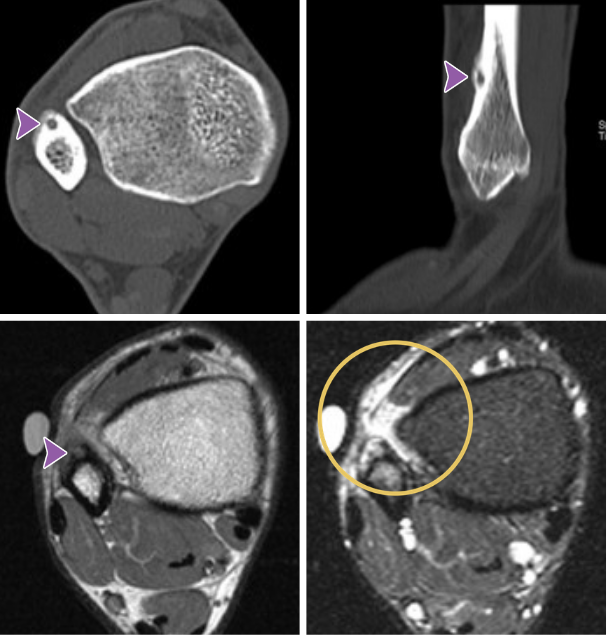
Common benign bone tumors in young adults and adolescents are painful and can be radiographically occult.
Osteoid Osteoma
Shared to improve patient safety and healthcare delivery in the provision of radiology services. The circumstances and facts are changed, altered, or deidentified to preserve confidentiality. Privileges have not been waived.
Practical Insights
Cortical thickening in a young adult or adolescent should be on your differential.
More common in males.
Treatment may include ablation.
Look for small radiolucent nidus <2cm.
Differential diagnosis should include stress fracture and infection.
Presents with night pain relieved by NSAIDs.
Takeaway: To confirm diagnosis, get a CT!
The MSK National Subspecialty Division (NSD) is part of RP’s Clinical Value Team, whichworks to elevate patient care and enhance value through innovation, collaboration and education.To advance this goal, our radiologists and advanced practice providers are committed to sharing peer learning as valuable reminders and insights about what weencounter in our day-to-day practice. Check back here and on X, LinkedIn and Instagram to see these common cases and our findings.
Visit the Clinical Resources page for more cases and to see what we’ve developed to enhance best practice recommendations, elevate image quality and patient care and update current standards throughout RP’s network of practices, all to deliver excellent radiology services to patients, referring clinicians and client partners.
Radiology Partners, through its owned and affiliated practices, is a leading physician-led and physician-owned technology-enabled radiology practice in the U.S. For the latest news from RP, follow us on X, LinkedIn, Instagram, YouTube and the blog.
Rad to Rad Learning: Morton’s Neuroma
The Radiology Partners (RP) MSK National Subspecialty Division (NSD) presents our newest Rad to Rad Learning case.
Peer Learning Opportunity
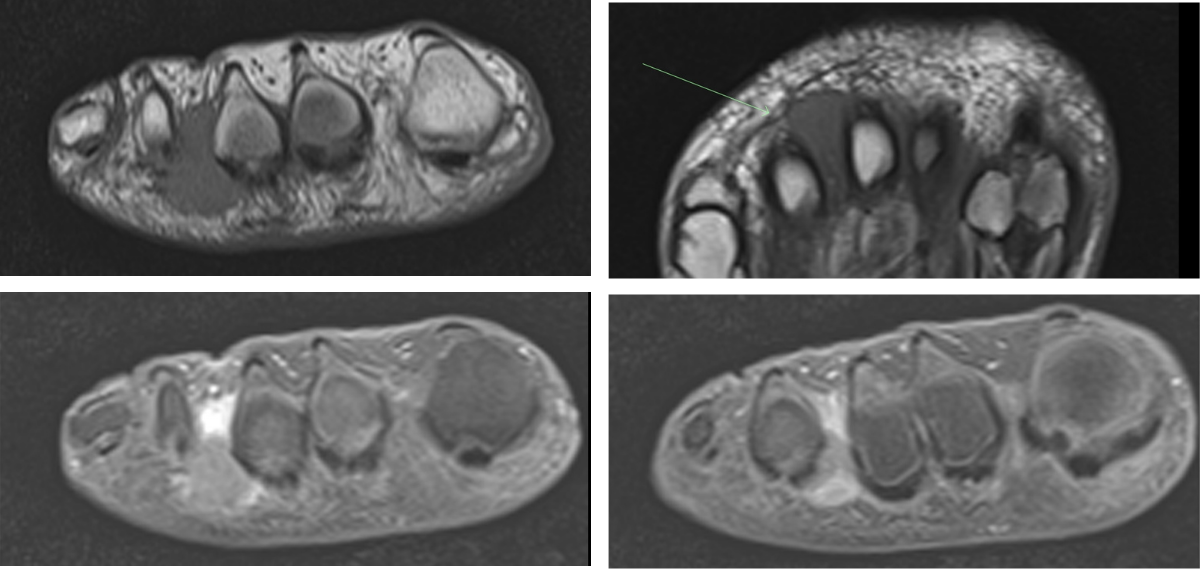
This finding represents a compressive neuropathy of the interdigital nerve primarily in the 2nd and 3rd intermetatarsal spaces.
Morton’s Neuroma
Shared to improve patient safety and healthcare delivery in the provision of radiology services. The circumstances and facts are changed, altered, or deidentified to preserve confidentiality. Privileges have not been waived.
Practical Insights
Presents with radiating pain, throbbing, numbness, and burning from the webspace into the toes. (Walking on marbles.)
Takeaway: Common cause of forefoot pain – best seen on T1 weighted sequences.
The MSK National Subspecialty Division (NSD) is part of RP’s Clinical Value Team, whichworks to elevate patient care and enhance value through innovation, collaboration and education.To advance this goal, our radiologists and advanced practice providers are committed to sharing peer learning as valuable reminders and insights about what weencounter in our day-to-day practice. Check back here and on X, LinkedIn and Instagram to see these common cases and our findings.
Visit the Clinical Resources page for more cases and to see what we’ve developed to enhance best practice recommendations, elevate image quality and patient care and update current standards throughout RP’s network of practices, all to deliver excellent radiology services to patients, referring clinicians and client partners.
Radiology Partners, through its owned and affiliated practices, is a leading physician-led and physician-owned technology-enabled radiology practice in the U.S. For the latest news from RP, follow us on X, LinkedIn, Instagram, YouTube and the blog.
Rad to Rad Learning: Measuring RV/LV Ratio
The Radiology Partners (RP) Interventional Radiology National Subspecialty Division (NSD) presents our newest Rad to Rad Learning case.
Peer Learning Opportunity
Patients who have lobar or larger PE and evidence of right heart strain are at increased risk for 30 day in-hospital morbidity and mortality.
Measuring RV/LV Ratio
Measure perpendicular to the long axis of the heart, widest inner wall to inner wall RV diameter and LV diameter.
Right ventricle is 61.5mm. Left ventricle is 19.5mm. RV/LV Ratio is 3.15.
Shared to improve patient safety and healthcare delivery in the provision of radiology services. The circumstances and facts are changed, altered, or deidentified to preserve confidentiality. Privileges have not been waived.
Practical Insights
PE with right heart strain is referred to as intermediate risk and warrants assessment.
Measure on the slice(s) where each ventricle is widest.
An RV / LV ratio ≥ 1.0 = right heart strain
The inner wall is the edge of the compacted myocardium.
Takeaway: Clot burden must be Central (lobar or main trunk).
The Interventional Radiology National Subspecialty Division (NSD) is part of RP’s Clinical Value Team, whichworks to elevate patient care and enhance value through innovation, collaboration and education.To advance this goal, our radiologists and advanced practice providers are committed to sharing peer learning as valuable reminders and insights about what weencounter in our day-to-day practice. Check back here and on X, LinkedIn and Instagram to see these common cases and our findings.
Visit the Clinical Resources page for more cases and to see what we’ve developed to enhance best practice recommendations, elevate image quality and patient care and update current standards throughout RP’s network of practices, all to deliver excellent radiology services to patients, referring clinicians and client partners.
Radiology Partners, through its owned and affiliated practices, is a leading physician-led and physician-owned technology-enabled radiology practice in the U.S. For the latest news from RP, follow us on X, LinkedIn, Instagram, YouTube and the blog.
Rad to Rad Learning: Perched Facets
The Radiology Partners (RP) MSK Musculoskeletal National Subspecialty Division (NSD) presents our newest Rad to Rad Learning case.
Peer Learning Opportunity
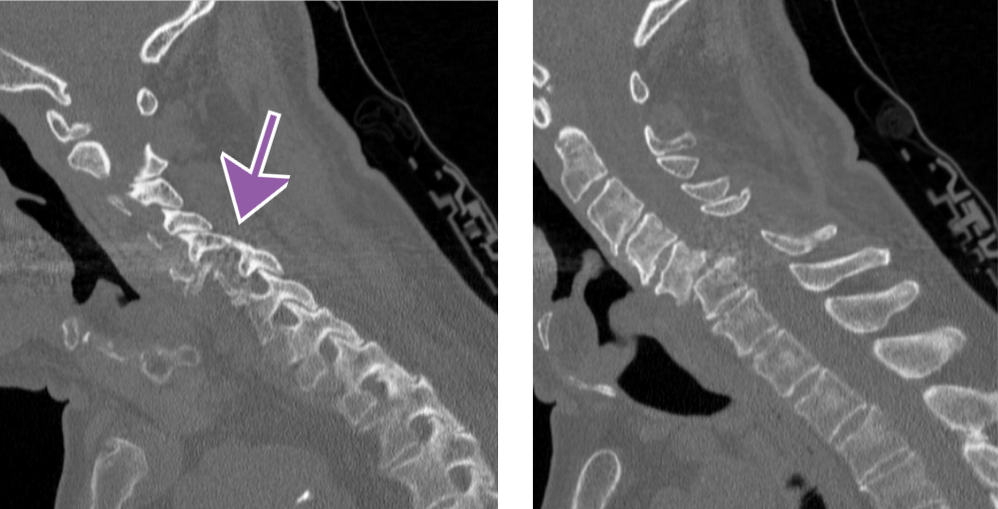
This diagnosis is associated with high risk for spinal cord injury and vertebral artery injury.
Malalignment of the facet joints with the inferior articular process of C5 sitting anteriorly “perched” on the superior articular process of C6.
Shared to improve patient safety and healthcare delivery in the provision of radiology services. The circumstances and facts are changed, altered, or deidentified to preserve confidentiality. Privileges have not been waived.
Practical Insights
Mechanism matters: Due to hyperflexion, lateral compression and rotation, most often from automobile accident.
Widening of the interspinous distance.
Up to 90% of patients with interfacetal dislocation will present with symptoms, and up to 40% can have a complete spinal cord injury.
Early diagnosis and treatment can decrease permanent neurologic injury incidence.
Search Pattern alert: Examine facet joints on parasagittal images.
The MSK Musculoskeletal National Subspecialty Division (NSD) is part of RP’s Clinical Value Team, whichworks to elevate patient care and enhance value through innovation, collaboration and education.To advance this goal, our radiologists and advanced practice providers are committed to sharing peer learning as valuable reminders and insights about what weencounter in our day-to-day practice. Check back here and on X, LinkedIn and Instagram to see these common cases and our findings.
Visit the Clinical Resources page for more cases and to see what we’ve developed to enhance best practice recommendations, elevate image quality and patient care and update current standards throughout RP’s network of practices, all to deliver excellent radiology services to patients, referring clinicians and client partners.
Radiology Partners, through its owned and affiliated practices, is a leading physician-led and physician-owned technology-enabled radiology practice in the U.S. For the latest news from RP, follow us on X, LinkedIn, Instagram, YouTube and the blog.
Why RP? Q&A with Dr. Myka Veigel, Musculoskeletal Radiologist
Dr. Myka Veigel discusses how RP offers the support network, technology and resources that allow him to focus on patient care while enjoying work-life balance.
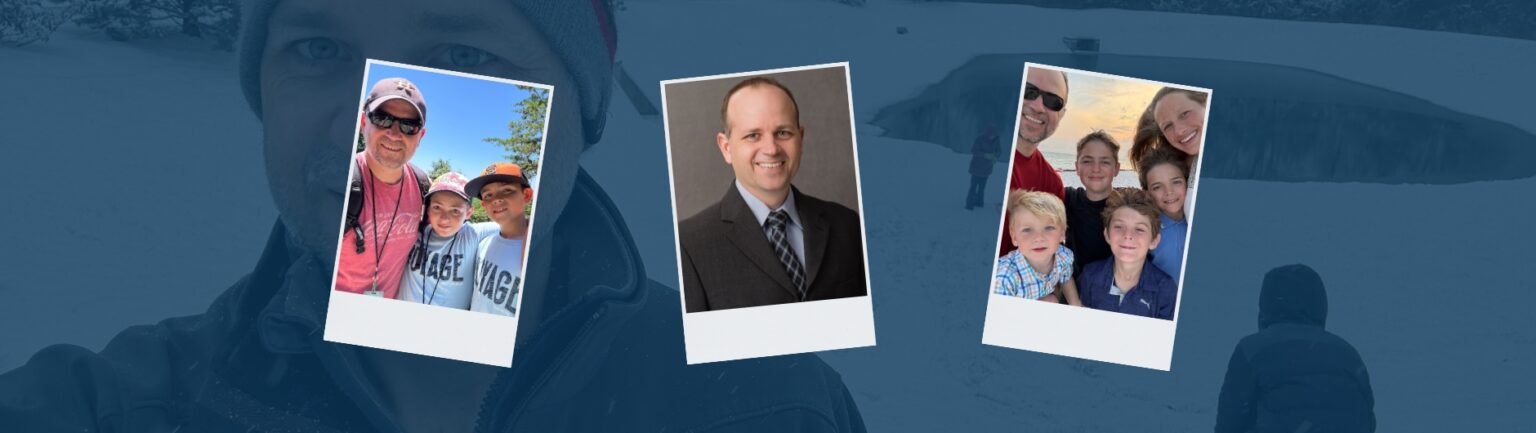
Dr. Myka Veigel is a musculoskeletal (MSK) radiologist at Medical Imaging Associates, where he served on the local practice board for the last five years. He and his practice joined RP in 2021. Outside of work, he prioritizes spending time with his wife and kids. Often, they spend time together outdoors in the hills and mountains of western Wyoming, where they live, and enjoy hiking, exercising, sports, fishing and riding motorcycles.
We talked to Dr. Veigel about how he chose radiology to address a need in his small hometown in Wyoming – and how RP offers the network and resources to support his commitment to providing high-quality radiology care to rural communities.
Tell us about why you chose radiology. What inspired you to become a radiologist?
My interest in radiology was based on providing a need in my hometown, where I currently live. It’s a small town in western Wyoming with about 10,000 people. At the time, there were no radiologists, and I felt it was needed. After exploring various specialties, I found radiology fascinating and decided it was the right fit. I also thought it would offer a good work-life balance, allowing me to spend time with my family.
What drew you to your subspecialty?
I have a good friend from high school who was just one year ahead of me in training, and he returned here as an orthopedic surgeon. When I was deciding whether to pursue MSK or body imaging for fellowship, I asked him what the hospital needed. He said, “Oh, definitely MSK,” which helped me decide. I also love looking at the anatomy of bones, joints and muscles. Being involved in sports and having a lot of interaction with local high school athletes, as well as working closely with the orthopedic surgeon here, made this part of radiology particularly enjoyable for me. As a radiologist, I have a lot of interaction with the patient during their imaging because of the small-town atmosphere. In some instances, I’ll discuss imaging results with patients before they follow up with their doctor. It’s a unique small-town radiologist dynamic.
Tell us more about your practice, Medical Imaging Associates.
Our practice is based in eastern Idaho but spans into Utah, Montana and Wyoming. We support many small, critical access hospitals. As a subspecialty practice, we provide great service to these areas. We are traditionally partnership-based, with all radiologists either on a partnership track or already partners. We want our radiologists to be invested in the practice and each other, looking towards the future. We’ve been able to weather a lot of the storms, and I’m proud of our practice.
What does serving on your local practice board entail? How has it helped you feel more connected to your local practice?
I just finished serving for five years on our local practice board and was involved in the transition to RP. I’ve been with Medical Imaging Associates for 11 years, and we’ve seen many great changes over time. What I love most about our practice is the culture and the collegiality of our team. We’re not perfect, but no practice is. Our practice faces challenges head-on and believes in very open, transparent and forward thinking, which is why we wanted to be a part of RP.
What excites you about RP? What is most fulfilling about working as a radiologist for RP?
I appreciate RP’s support, especially with AI. Having served on the local practice board, I have been closely involved with new technologies where RP is at the forefront. RP has great access to information that can be used to develop and implement AI. We’ve been involved with rolling out different forms of AI in our practice, and we’ve been able to see the benefit of RP’s focus on the radiologist to try to make it easier for us to practice while enjoying what we’re doing day-to-day, despite the increasing demands on radiologists. There are fewer radiologists going into the workforce, and with the demand and imaging utilization that continues to go up, RP makes it so we can enjoy what we’re doing. I love the support we’ve received and look forward to what is yet to come. RP’s network, with so many radiologists, leaders and innovators, offers numerous opportunities. When you bring many minds together, you can develop innovative ways to support the radiologist.
How has the field of radiology evolved since you first started your career, and what does the future of radiology look like to you? In your opinion, how will RP contribute to that?
The biggest change I see is the volume and demand on the radiologist. This can lead to stress and burnout, which can affect any physician. I’m excited to implement the tools being developed by RP because I want a long career where I feel good about my work and make a difference. Radiology will keep evolving, and imaging utilization will keep increasing. Looking back at our decision to join RP, I’m happy with the direction we’re going. We’re locally led with excellent local leadership and strong national support. As a younger practice in RP, we’re seeing the fruits of those labors come through, particularly over the last year.
If you met someone interested in the medical profession, what would you tell them to encourage considering radiology?
While doing a rotation as a medical student, I told a physician I was going into radiology, and he said, “What a shame. Why are you going into that?” Apparently, he thought radiologists just look at a computer all day without interacting with patients. In reality, I do procedures that help people and have a huge impact. When interpreting imaging, there’s a person on the other side of that image with something going on in their life. If you know what you’re doing, you may be the only one who will be able to tell that patient or the referring doctor what’s actually going on, and you can save people’s lives. You will save people’s lives. Additionally, the field is so interesting, with amazing technology used to image the body, including MRIs, CT scans, X-ray and ultrasound. Radiology is at the forefront of medicine, and everything revolves around it. I’d be upfront about the challenges, but we need people who care and want to help patients. That part of the job is satisfying because you are truly making a difference for people.
Tell us more about practicing in a smaller or more rural setting.
The great thing about radiology is you can provide care for everyone, regardless of whether you live in a big or small city. If you choose to live in a city, you’re probably reading studies for people in small towns, where your read can be very critical, because those patients may need to get transferred somewhere quickly. As a radiologist, being on top of that can make a difference for those patients. I’m in a unique position as a fellowship-trained radiologist in a small town. The hospital system I serve covers a broad region, and the leadership is very forward-thinking and brought in a lot of excellent physicians to help the rural community.
Dr. Myka Veigel earned his medical degree from Kansas City University of Medicine and Biosciences; completed his residency at University of Missouri – Kansas City; and completed his fellowship in musculoskeletal radiology at the University of Iowa.
Radiology Partners, through its owned and affiliated practices, is a leading physician-led and physician-owned radiology practice in the U.S. Learn more about our mission, values and practice principles at RadPartners.com. For the latest news from RP, follow along on our blog and on X, LinkedIn, Instagram and YouTube. Interested in learning about career opportunities? Visit our careers page.
Rad to Rad Learning: Osteonecrosis (AVN) of the Femoral Head
The Radiology Partners (RP) Musculoskeletal Radiology (MSK) National Subspecialty Division presents our newest Rad to Rad Learning case.
Dr. Krishna Nallamshetty
The MSK NSD is part of RP’s Clinical Value Team, whichworks to elevate patient care and enhance value through innovation, collaboration and education.To advance this goal, our radiologists and advanced practice providers are committed to sharing peer learning as valuable reminders and insights about what weencounter in our day-to-day practice.
Check back here and on X, LinkedIn and Instagram to see these common cases and our findings.Visit the Clinical Resources page for more cases and to see what we’ve developed to enhance best practice recommendations, elevate image quality and patient care and update current standards throughout RP’s network of practices, all to deliver excellent radiology services to patients, referring clinicians and client partners.
Radiology Partners, through its owned and affiliated practices, is a leading physician-led and physician-owned radiology practice in the U.S. For the latest news from RP, follow us on X, LinkedIn, Instagram, YouTube and the blog.Shared to improve patient safety and healthcare delivery in the provision of radiology services. The circumstances and facts are changed, altered, or deidentified to preserve confidentiality. Privileges have not been waived.
Why RP? A Q&A with Dr. Josh Heck, Musculoskeletal Radiologist
Dr. Heck shares how RP’s expansive network of practices provides a unique opportunity for RP radiologists to collaborate with subspecialty experts nationwide and gain insights from local practices about healthcare delivery in their communities.
Dr. Josh Heck is a musculoskeletal radiologist and president of Radiology Alliance in Nashville, Tenn. As chair of the Presidents Council at Radiology Partners, Dr. Heck assists in leading the group of presidents across RP-affiliated practices in their efforts to drive quality, support clinical value and represent their radiologists’ perspective towards advancing our practice. Outside of work, he enjoys reading, playing chess and tackling construction projects. He also serves as a youth group leader and coaches his children’s sports teams. He joined RP in 2021.
We talked to Dr. Heck about the benefits of being part of a nationwide network and how RP is contributing to the future of radiology.
Tell us about why you chose radiology. What inspired you to become a radiologist?
Going into medical school, I wasn’t sure what I would be. If you had asked me then, I probably would have gone into emergency medicine or orthopedic surgery, but throughout my training, I liked the breadth that radiology offered. It covers the full spectrum of medicine, and it sits in a central position within medicine at this point, so there are few patients that you don’t see. The knowledge base is broad, meaning we see everything from infections to trauma to cancer. There’s not really an aspect of medicine we don’t interact with.
Did you have any specific experiences or individuals that influenced your decision to pursue radiology?
A lot of it was just interacting in medical school, running through the clinical services. We didn’t get a ton of exposure to radiology in general, but going down into that dark room and seeing people looking at images to help make the diagnosis and the impact they had on the patient’s care was probably one of the larger reasons I went into it. Being that “doctor’s doctor,” where you’re consulting with the clinician and making a difference on the treatment plan.
What drew you to musculoskeletal radiology?
I would say I’m trained formally in musculoskeletal radiology – that’s what I did my fellowship in – but I spend about half my time doing women’s imaging. With MSK, it had a lot to do with my predisposition to emergency medicine and orthopedic surgery. I liked the bones. Our environment had a lot of good teachers where I trained, so some of it was the culture and the people I met within the MSK reading room, and then some of it was the pathology that affects this patient.
What excites you about RP?
The vision and the future of what radiology looks like. It’s exciting to be part of a practice really focused on providing high-quality care to our patients and excellent radiology services to our client partners, all while examining how we can address the shortage of radiologists and still make an impact as a specialty.
What is most fulfilling about working as a radiologist for RP?
As a radiologist with RP, you have access to a lot of radiologists and experts, as well as the support of a large organization. If we don’t know something, there is somebody within RP that does. I frequently reach out to members across the organization nationally to get those answers, so it’s being able to get in touch with experts pretty quickly. That’s been a huge educational benefit to me.
What does the future of radiology look like to you?
For me, when I sit down and think about what I want radiology to look like in five years, I think the tools and programs we are continuing to use and launch are a big component of that. Locally at our practice, we talk about making it easier for radiologists to do their job well – removing all the barriers. All radiologists want to do a good job and take care of patients. That is harder than most people realize, whether it’s access to information, IT systems working well or knowing that there are guidelines. I look forward to having the ability to open a study, look at it, come up with a diagnosis, trust those recommendations and feel confident I’m not missing something. It’s easier to do than it’s ever been. My vision is that radiologists can do their jobs very well with evidence-based guidelines, and in a way, that takes care of the patients in an efficient manner and satisfies the referring clinicians. The tools we’re developing are what enable that.
How will RP contribute to you being able to help that vision you just described?
When I sit down and read a case right now and see a pulmonary nodule or renal cyst – previously, I would have to have a whole library of articles on my computer and reference them each time. It would take a long time and slow me down. Now, with the tools being developed, whether it’s AI tools or best practice recommendations, it’s all right there. As soon as I mention one of those things, that evidence-based recommendation is a click away. It makes it so much easier for me to make sure, one, that I remember to make the appropriate recommendation, and two, that I give the appropriate recommendation – and it’s not slowing me down. Even with AI that is also helping me know I’m not missing things, now I have a second set of eyes that are looking at it with me. When I sign off and say there are no rib fractures, my degree of confidence is much higher.
Tell us more about being a practice president and the role of the Presidents Council.
Being a practice president is an interesting role. You deal with a lot of things that practices deal with, such as clinical issues. You’re still practicing as a radiologist for the most part and solving all the problems that arise in health care. I view my role as a practice president as reducing the red tape and administrative burden that affects physicians today so that they can focus on taking care of the patient and do their job well. I think RP’s focus has been a lot on that. RP’s easier to practice initiatives are focused on making it easy for our radiologists to not just do their job but do it really well.
We have more than 70 individual practices within RP and each one of those practices has a practice president. As a national practice, we have a President’s Council comprised of all those practice presidents. We have the opportunity to meet monthly as a group remotely and then get together in person annually or semi-annually to review how the national practice is performing, discuss what issues the practices are seeing and set the course for the next year, as far as which direction we want to go and what clinical tools we want to invest in.
When you get a chance to meet in person as a group of practice presidents, what are some of the takeaways that you experience?
Day to day, a lot of our practice presidents are dealing with the difficult environment of healthcare in the United States. This meeting is always an opportunity to commiserate with common challenges but also see there are people who have come up with innovative solutions to solving it and hear about the great programs they’re running in their practices. We can then take those ideas home and use them in our practice to make our local environment better. It’s exciting to hear some of the ideas people have.
Outside of RP, how easy would it be for you as a practice president to gather those ideas or hear about those ideas?
There are not a lot of options nationally to meet with as many leaders in radiology as we have at RP. The only other organizations I can think of where you can meet with radiology leaders are the Society of Chairs in Academic Radiology, Radiological Society of North America or American College of Radiology; however, that’s a small group, and the breadth of experience that our radiologists have is probably unparalleled because they come from all different backgrounds, from academic centers to small, five-person local practices. That is one of the benefits of RP. It is one of the largest gatherings of leaders in radiology who are all pulling in the same direction, meaning we’re aligned, we understand the environment we’re working in, we have the same goals from a broader perspective on the direction we’re trying to go with radiology, and we’re getting ideas and sourcing it from people who have done it really well in other parts of the country and able to bring that home. We’re incentivized to help each other do well.
Dr. Josh Heck earned his medical degree from Vanderbilt University in Nashville, and he completed both his residency in diagnostic imaging and his fellowship in musculoskeletal imaging at Vanderbilt University School of Medicine.
Radiology Partners, through its owned and affiliated practices, is a leading physician-led and physician-owned radiology practice in the U.S. Learn more about our mission, values and practice principles at RadPartners.com. For the latest news from RP, follow along on our blog and on X, LinkedIn, Instagram and YouTube. Interested in learning about career opportunities? Visit our careers page.
Rad to Rad Learning: Midtarsal Sprain Injury
RP’s Musculoskeletal Imaging National Subspecialty Division (NSD) presents our newest Rad to Rad Learning case.
Dr. Krishna Nallamshetty
The Musculoskeletal Imaging NSD is part of RP’s Clinical Value Team, which works to elevate patient care and enhance value through innovation, collaboration and education. To advance this goal, our radiologists and advanced practice providers are committed to sharing peer learning as valuable reminders and insights about what we encounter in our day-to-day practice.
Check back here and on X, LinkedIn and Instagram to see these common cases and our findings.Visit the Clinical Resources page for more cases and to see what we’ve developed to enhance best practice recommendations, elevate image quality and patient care and update current standards throughout RP’s network of practices, all to deliver excellent radiology services to patients, referring clinicians and client partners.
Radiology Partners, through its owned and affiliated practices, is a leading physician-led and physician-owned radiology practice in the U.S. For the latest news from RP, follow us on X, LinkedIn, Instagram, YouTube and the blog.Shared to improve patient safety and healthcare delivery in the provision of radiology services. The circumstances and facts are changed, altered, or deidentified to preserve confidentiality. Privileges have not been waived.
Why RP? A Q&A with Dr. Matthew Kay, Diagnostic Radiologist and Major, U.S. Air Force Medical Corps
Dr. Anand Singh, musculoskeletal radiologist at Radiology Partners (RP) and U.S. Air Force veteran, recently spoke with Dr. Matthew Kay, an active-duty U.S. Air Force radiologist, who began moonlighting with RP in 2023.
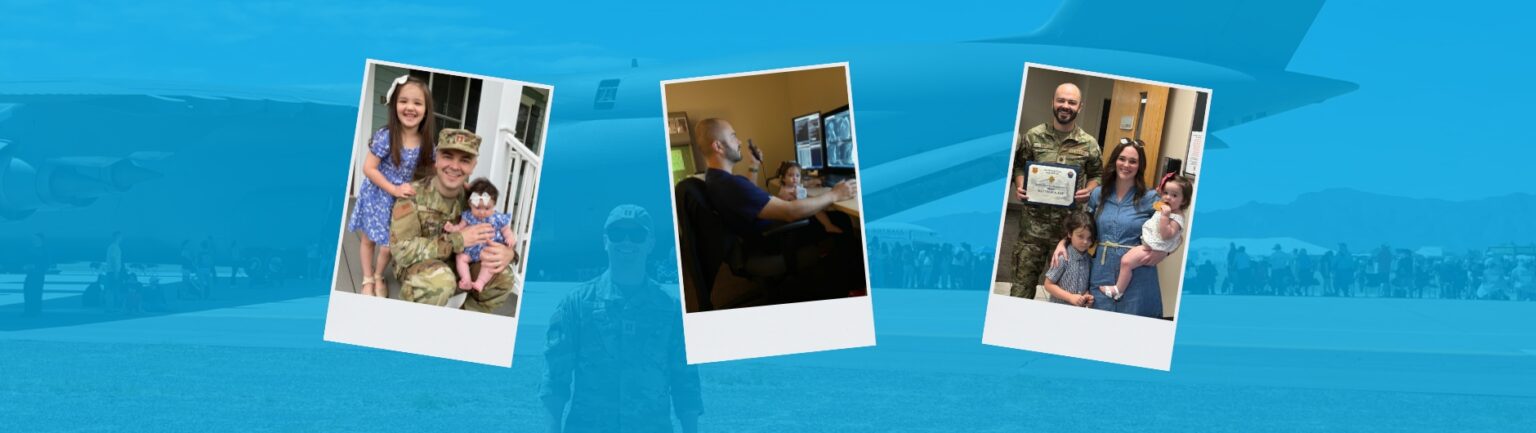
Dr. Kay shared how moonlighting with RP provides the flexibility he needs to gain valuable experience, maintain his acute care skills and earn extra income, while fulfilling his military duties and prioritizing his family. Read excerpts from their discussion below, and watch an extended version here.
Dr. Singh: Tell us about your journey. Why did the military appeal to you? Why did you decide to pursue radiology?
Dr. Kay: When I was in high school, I took the Armed Services Vocational Aptitude Battery (ASVAB). I always had military service in the back of my mind, but at the time, it wasn’t right for me. Eventually, I decided I wanted to become a physician, and after undergrad, I applied for a medical school scholarship through the military, ultimately choosing the Air Force. I was fortunate enough to get the scholarship, because at the time, it was competitive between the different branches.
My journey through medical school changed things dramatically. During the first month of school, my newborn son had a significant intraventricular hemorrhage requiring an extended hospital stay. That not only changed how I approached medical school but also how I approached family. My family needed to be a priority, and I needed to select a specialty that allowed for that. When I started rotations, my first one was radiology.
Not only are you in the medical corps, but you also have enlisted with extra responsibilities above and beyond your clinical duties. Tell us a little bit about that.
I’m stationed at Luke Air Force Base in Phoenix, Arizona, and our department has a smaller clinic. There are about 12 enlisted staff here, between sonographers, mammography techs, radiology techs, CT and MR. Officers in the radiology department mentor the enlisted staff, providing feedback on the work they do, helping them navigate careers outside of the military with skills they learn in the military, and helping them learn about various pathologies – often why we ask for certain additional images or views. We are also in charge of the administrative items from a radiology standpoint, such as computer-based training for healthcare- and military-related topics, as well as ensuring credentialing is up to date. We have different teams for disaster response, and I’m part of a decontamination team. For example, for a big airshow event at the base, if there was a plane accident or a jet fuel spill, we would mobilize to decontaminate. In addition to coming to work every day and practicing radiology, we have a day each week when we assemble as a team to practice setting up the decontamination tent, donning and doffing decontamination suits, clarifying responsibilities for each station we’re manning and understanding how the different teams work together to respond to a threat or emergency.
How did you connect with RP?
For radiologists in training, it’s common to pursue fellowship training after residency. However, the military projects their needs and allot a certain number of spots for different fellowships, which means you’re competing to fill those spots based on your desire to do a fellowship. The caveat is if you do fellowship training in the military, it incurs longer years of service. While I’ve enjoyed my military service, I didn’t want a commitment longer than my service commitment for my medical school scholarship. During my last year of residency, I began looking for a moonlighting job. Knowing I would have military commitments, I was looking for a practice that understood my need for flexibility and that my military service and the stipulations with that come first, as well as an option for remote work. Knowing I was coming to Arizona, I looked at the RP jobs posted for the area and learned one of my co-residents was looking around the same time. We talked to a few different practices, and a lot of practices were asking us to sacrifice two weekends a month, working 40 hours for them and going through the process of getting the license and equipment. To me, that seemed like a big sacrifice, knowing that I’d be spending most of my time as a military service member. I talked to RP, and they understood my situation. They were flexible in negotiating this contract where, as a PRN contractor, I’m able to commit to as much or as little as I’d like. My routine right now is I’m able to get up a little bit earlier than my family, read for an hour or two, get the kids in bed, read for another hour—kind of piecemeal. I’m also able to help cover the trauma hospitals in the area, where I’m committing to four- to eight-hour shifts when I get off work or on the weekends. I really love the flexibility with RP.
Tell us the difference between your daily clinic load at the base versus what you see with RP.
Clinic is all outpatient. So for example, say the patient is on the flight line working on the jet – they stand up and hit their head, and they’re worried about a brain bleed or a skull fracture. Those are not cases we have the capacity to handle, so we send those off base. If there’s a concern about pulmonary embolism, we send those off base. At the base, we have case complexity, but we don’t have case acuity. RP serves hospitals with level one or level two trauma centers, so reading those cases helps me in my mission readiness to go work where the Air Force currently deploys. I’m able to read those cases, which prepare me for imaging related to ballistic injuries or traumatic Humvee accidents.
You talked about flexibility—the importance of being there for your family but also the flexibility in the event you get deployed overseas. You’d like a practice that understands that. Talk to us about how that fit into your calculation.
It was important knowing a job would be there when I came back. I was on the short list for deployment to go out in April, and having a job with flexibility – in terms of understanding I may be gone for six months at a time and knowing they’d still be able to carry on their workload – is so valuable. If I were in a smaller group practice, they may be a little less understanding. It’s important to be part of a good team of radiologists who won’t be out to pasture without me.
You could have chosen a lot of different places. What are some unique features RP offers?
These are little things, but I have one coworker here who’s with a group that required him to furnish his own equipment. There are some practices that furnish the equipment, but if you break contract early, you owe a lot of money for the equipment. For me, it was great to have RP say, “We will furnish this equipment for you, and when you’re finished working, we’ll come and pick it up.” That was important to me coming out of residency. My family had to move cross-country, and I wanted to keep my start-up costs relatively low. Again, I always emphasize the flexibility. That was the most important thing. I didn’t want to have to work this many shifts or this many hours every week.
You’ve just started your career, but what does the future look like for you five to 10 years from now? Where do you see radiology?
Given the mode of practice I’m doing now, being able to work remotely is appealing to me. People ask all the time, “What are you going to do when your service commitment is up? Do you see yourself staying in Arizona?” There are still a lot of unknowns there, but knowing the situation I have now, where I’m working with a great practice that I’ll be able to go pretty much anywhere with, that is encouraging. I could separate tomorrow or stay in the military and retire in 20 years, and I can still work with the same great group.
For radiology in general, I think AI initiatives will continue to get better. There are some promising studies going on and vendors developing high-quality products for assisted detection, second-read type things. I certainly don’t think the demand for imaging is going to lessen. If AI is able to make it easier for us to help detect problems and offer it in a quantifiable way – radiomics – we can also provide value the patients didn’t even know they were getting in that study. For example, you’re getting a chest CT, and there’s an applet in the background that’s able to pump out a calcium score on this while we’re doing your lung screening – that’s a beautiful thing, right? The more of these things we have to help us, we’re going to practice safer, and we’re going to help more patients. That’s where I see radiology going in the future.
You sound positive about the experience, and you must mention this to other radiologists. What do you tell them?
It’s funny you mention that. Before I had even opened a study to dictate for RP, I was already telling other co-residents I work with about it. Now there’s a cadre of us from my residency program who are all with RP. I tried to get both of my coworkers here on board; one already signed a contract with a different group, but my other coworker was looking for a job with the same kind of flexibility, and he’s going through the onboarding process now with a different RP group in the Phoenix area. He’s excited to get started, and he’s been happy with his experience so far.
You have all these responsibilities. What do you do for fun?
Being in the military and at a base that’s mostly a clinic, I work out pretty much every day, which I enjoy. I’ve got four kids ages 1-9, and that’s my whole life; I love my kids. Between three kids actively in soccer, I’m at the soccer fields at least two nights a week. They’re all doing swimming lessons, with one kid in swim team. A lot of it is being in the throes of parenthood. I love cooking, so most nights when I get home, I’m able to make a meal, but on the weekends, I’m able to flex and cook different things. I got a set of golf clubs, so I’m able to enjoy some of the amenities on the Air Force bases by doing some golf.
For those who choose not to continue their radiology career with the military after they complete service, the transition to civilian life can be difficult. You’ve been in the military for a while. How easy do you think that transition will be?
I don’t know because this is all I’ve ever known. By the time I’m done, it’ll be almost a decade of my life in the military. That is one of the reasons why I’m happy to be in the position I’m in with RP, because I get to see what that’s going to be like on the outside. I remember in residency at Portsmouth, there was a dive officer who was also a radiologist who would give lectures occasionally. He told us, “When you get into your staff years, I recommend finding different ways of practicing radiology that you see yourself doing, whether that’s remotely, going to a brick-and-mortar shop, going to a hospital or doing more procedures like IR-light type of stuff. Get in a situation where you practice in the way you want to practice when you’re finished with your military career.” I took that to heart, and that’s why I’m doing what I’m doing. I’ve worked in-person. I’m able to work remotely. I’m able to get into some procedures. With RP, I get a little glimmer of what civilian life in radiology looks like, while also balancing my military responsibilities. That said, I don’t know what it’s going to be like to do it full-time.
Is there anything else you want to mention we haven’t touched on today?
I just feel lucky to be in this situation. If this is seen by residents, I want them to know there’s light at the end of the tunnel. It gets better. It doesn’t always get easier, but it does get better. I do feel very lucky to be where I am, from a personal and professional standpoint. I’m in a really good spot.
Dr. Matthew Kay earned his medical degree from Midwestern University Arizona College of Osteopathic Medicine and completed his diagnostic radiology residency at Naval Medical Readiness Training Center in Portsmouth, Virginia.
Radiology Partners, through its owned and affiliated practices, is a leading physician-led and physician-owned radiology practice in the U.S. Learn more about our mission, values and practice principles at RadPartners.com. For the latest news from RP, follow along on our blog and on X, LinkedIn, Instagram and YouTube. Interested in learning about career opportunities? Visit our careers page.
Why RP? A Q&A with Dr. William Weathers, Musculoskeletal Radiologist
Dr. Weathers discusses his practice’s pivotal partnership with RP and how his team enjoys a small practice environment backed by national resources.
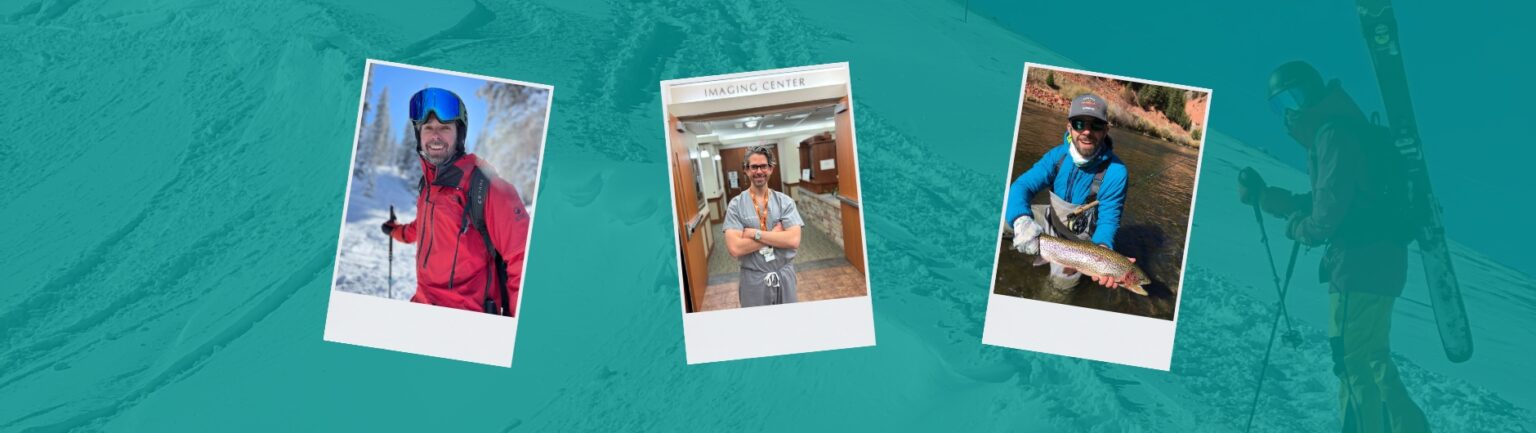
Dr. William Weathers is a practicing musculoskeletal (MSK) radiologist and president of Mountain Radiology in Glenwood Springs, Colorado. Additionally, he serves on the Radiology Partners (RP) physician support board for advocacy. Outside of radiology, he enjoys hitting the slopes, hiking trails, fly fishing and golfing. He also treasures family time and being outside on his property for frequent visits from area wildlife.
We talked to Dr. Weathers to learn more about his journey into radiology and why his practice joined RP.
Tell us why you got into radiology.
Initially, I wanted to become a surgeon, following in the footsteps of my grandfather and great-grandfather. However, while considering a career in plastic surgery, conversations with my wife’s friends who were pursuing residencies in radiology shifted my perspective. They highlighted the multifaceted nature of radiology, which intrigued me due to its diverse opportunities, from performing procedures to directly engaging with patients. Radiology stood out to me because of its versatility in patient care. During hands-on rotations in radiology, particularly interventional radiology, I discovered a unique blend of imaging and procedures that resonated with me. Radiology offers active involvement in every patient’s care at the hospital and interactions with physicians across all specialties.
Why did you choose MSK?
My interest in this specialty stemmed from my passion for sports. During residency, I noticed a gap in my training in this area and saw an opportunity to fill it. As I began rotations in MSK imaging, I found it incredibly fulfilling. Working closely with orthopedic surgeons who play a vital role in patient care was very rewarding. The impact on patient outcomes and the collaborative nature of the work with top-tier specialists made it a natural fit for me.
What motivated your decision to relocate to Colorado and join Mountain Radiology?
We moved to Colorado more than five years ago from Houston, where I began my private practice. Despite being from Houston, I’ve always been drawn to the mountains, having grown up skiing near Aspen. One of the great things about being a physician is you can live and work anywhere you want. You’re not geographically tied. I remember my wife and I were on a ski trip in Colorado during the second year of my radiology residency. I visited a local hospital and met with radiologists there, which really sparked my interest. After a year in private practice and in alignment with my wife’s career as an OBGYN, we decided to make the move. It’s been a decision we’ve never regretted. It’s one of the most idyllic places to work and raise our two kids.
Tell us about your practice.
Mountain Radiology has been around for more than 40 years. Our small practice is unique as we embrace the opportunity for radiologists to maintain and enhance their generalist skills while specializing in their preferred areas. We understand the importance of ongoing training and support, offering guidance to address any concerns about unfamiliar procedures. Being a subspecialized generalist strengthens one’s skill set and fosters a deeper understanding of the complexities within different modalities. This approach empowers our radiologists to excel in diverse scenarios, contributing to a sense of resilience and confidence in their abilities. The experience of being immersed in a wide range of cases has been transformational in strengthening my capabilities and encouraging adaptability and resilience, two invaluable assets in our practice that ensure our radiologists can navigate any situation with proficiency and expertise.
How did the partnership between Mountain Radiology and RP come about?
In early 2020, we engaged in discussions with RP. These talks coincided with the onset of the COVID-19 pandemic. Intrigued by RP’s proposition, we conducted a thorough evaluation process while RP assessed our practice. Amidst economic uncertainties and a significant decline in imaging volume, sustaining our practice proved challenging, with a nearly 70% drop in volume for several months. We were treading water, trying to do what we could to keep the practice alive. Despite these obstacles, as the world began to reopen, we witnessed a resurgence in imaging volume and continued our dialogue with RP, who remained supportive throughout.
In September 2020, we officially became part of RP. Our decision was driven by recognizing the benefits of joining a larger practice while retaining our independence, with RP uniquely fitting these criteria. The partnership was guided by understanding industry trends, including consolidation and regulatory shifts, which made managing as a small practice increasingly difficult. RP’s commitment to integrated IT solutions, evident in the enhanced workflows offered through unified PACS systems, reinforced our decision. Despite the challenges posed by the COVID-19 pandemic, RP’s support during negotiations and integration marked a significant milestone for our practice. September 2020 marked the beginning of a new chapter for Mountain Radiology within RP, signaling our commitment to adapting to evolving industry landscapes while enhancing patient care.
How have you balanced your preference for a smaller practice environment while being a part of a larger practice like RP?
Since joining RP, our practice has successfully maintained its unique identity while benefiting from the support of a larger practice. Initially, we were apprehensive about how our culture would adjust within RP, but RP’s commitment to local leadership has proven true, easing our initial concerns. We’re still Mountain Radiology and our culture remains intact. Contrary to misconceptions, being part of this larger practice has empowered us. RP has provided the tools and support necessary to thrive. Engaging with RP has felt like having a supportive big brother; they offer valuable suggestions rather than imposing directives. The IT infrastructure enhancements streamline our workflow and enhance patient care, aligning perfectly with our practice’s values. In particular, the instant functionality of technologies like Rad AI has been remarkable, seamlessly integrating into our workflow without any significant learning curve. RP has empowered us to navigate challenges such as hiring difficulties and has significantly improved our ability to deliver exceptional patient care. By leveraging their resources while preserving our unique culture, RP has proven to be a valuable partner.
As a member of RP’s advocacy physician support board, how will RP help shape the future of radiology?
Radiology Partners is transforming radiology. With their leadership, investments and commitment to improving radiologists’ lives, we’re witnessing continuous advancements to alleviate burnout and enhance practice efficiency. RP’s advocacy efforts play a crucial role in addressing industry challenges such as declining reimbursement rates and regulatory changes like the No Surprises Act. Led by Dr. Rich Heller, pediatric radiologist and associate chief medical officer (ACMO) for health policy and communications, RP’s advocacy arm ensures that radiologists’ voices are heard at the legislative level, benefiting the entire radiology community, not just RP. This proactive approach demonstrates RP’s dedication to driving positive change within the field, making a lasting impact on radiology practices across the country.
What excites you most about being a part of RP?
Integrating RP’s IT solutions has been pivotal for our practice’s resilience. When faced with the departure of a partner, our small practice was at risk, but RP’s support and technology prevented collapse. Through RP’s IT infrastructure, we’ve navigated hiring challenges and significantly enhanced our workflow, nearly doubling our workload capacity. RP’s forward-thinking approach ensures we stay ahead in meeting industry challenges.
Additionally, there is incredible support and collaboration among local practices affiliated with RP. Attending the in-person meetings has always been a valuable experience for me. It’s reassuring to meet the diverse talent within our organization, which reinforces my confidence in our collective future. Being part of RP means having access to a wealth of expertise and support, which empowers us to tackle challenges effectively and move forward confidently.
Dr. William Weathersearned his medical degree from the University of Texas Southwestern Medical School and completed his residency and fellowship in diagnostic radiology at the University of Texas MD Anderson Cancer Center. Additionally, he completed a mini-fellowship in breast imaging at MD Anderson Cancer Center and furthered his expertise with a one-year fellowship in MSK at UT Orthopedics at Ironman Sports Medicine Institute Texas Medical Center, focusing primarily on sports injury and trauma.
Radiology Partners, through its owned and affiliated practices, is a leading physician-led and physician-owned radiology practice in the U.S. Learn more about our mission, values and practice principles at RadPartners.com. For the latest news from RP, follow along on our blog and on X, LinkedIn, Instagram and YouTube. Interested in learning about career opportunities? Visit our careers page.



 Shared to improve patient safety and healthcare delivery in the provision of radiology services. The circumstances and facts are changed, altered, or deidentified to preserve confidentiality. Privileges have not been waived.
 Takeaway: To confirm diagnosis, get a CT!
 Shared to improve patient safety and healthcare delivery in the provision of radiology services. The circumstances and facts are changed, altered, or deidentified to preserve confidentiality. Privileges have not been waived.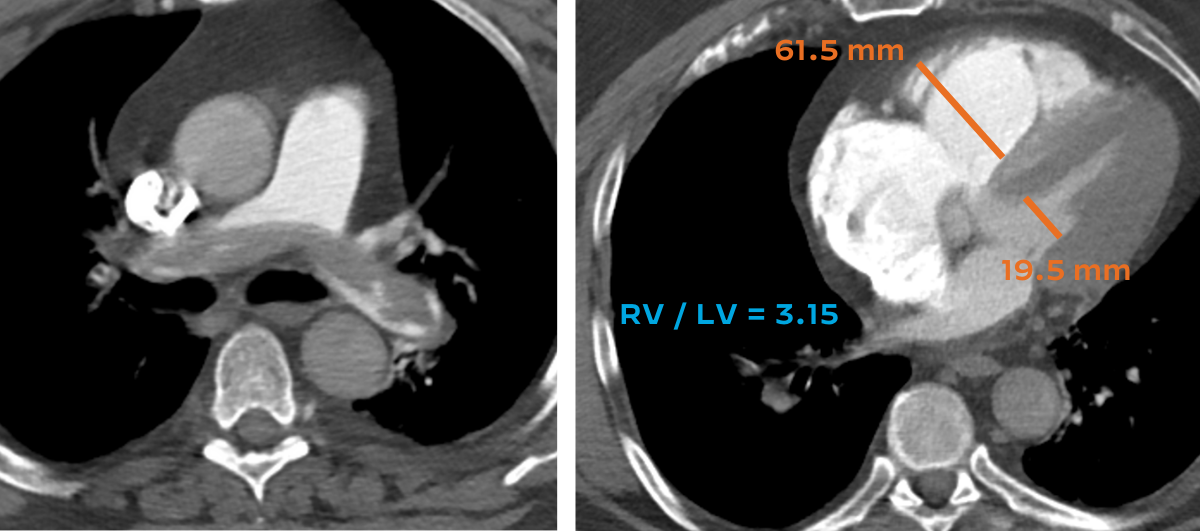
 Shared to improve patient safety and healthcare delivery in the provision of radiology services. The circumstances and facts are changed, altered, or deidentified to preserve confidentiality. Privileges have not been waived.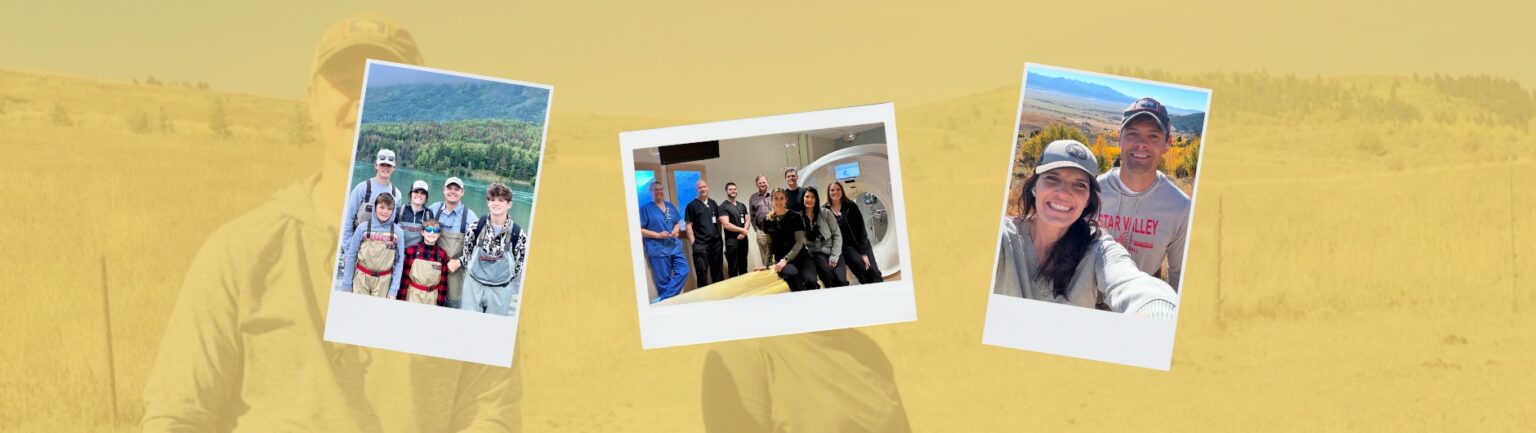
 Visit the