Mosaic Clinical Technologies™ Acquires Cognita Imaging Inc., Pioneering Next Phase of Radiology Intelligence at Scale

Acquisition unites Cognita’s proven AI foundation models, Mosaic’s enterprise technology and RP’s scale of 4,000+ radiologists and 55+ million annual imaging studies to power a new era of radiology intelligence

Cognita emerges from stealth with validated AI that reduces major diagnostic errors, increases detection rates and empowers faster, more accurate results for patients 

(NASHVILLE, Tenn., AND PALO ALTO, Calif.) Nov. 17, 2025 – Amid an acute and worsening global shortage of radiologists, driven by rising imaging demand, limited residency growth and accelerated workforce attrition, Mosaic Clinical Technologies™ (Mosaic), the technology and AI services division of Radiology Partners (RP), announced the acquisition of Cognita Imaging Inc. Cognita is a pioneer in vision language models purpose-built for radiology. The combination brings together Mosaic’s enterprise-scale operating system, MosaicOS™, and Cognita’s cutting edge AI technology and expertise to accelerate development of next-generation tools that expand clinical capacity, improve diagnostic accuracy and enhance patient care. 

“The next era of radiology will be defined by the convergence of clinical expertise and advanced technology,” said Rich Whitney, CEO of Mosaic and RP. “With imaging demand rising much faster than radiologist supply, the combination of Mosaic and Cognita strengthens our ability to transform how care is delivered—improving accuracy, accelerating time-to-diagnose and expanding access to high-quality imaging. Together, we aim to deliver better outcomes for patients and health systems at scale, while equipping radiologists with the tools to deliver faster, more precise care, while mitigating clinician burnout.” 

Cognita powers Mosaic Drafting™1 and announces early results underscoring strong performance on X-ray and CT 

Cognita’s proprietary vision language models power Mosaic Drafting™, an AI solution that analyzes X-rays and head CTs and drafts preliminary results for physicians to review and confirm. Tested through preliminary reader studies and large-scale retrospective validation across more than 100 radiologists and 95,000 X-rays and head CTs, Mosaic Drafting™ has already demonstrated the potential power of human–AI collaboration in healthcare. Early X-ray (chest, musculoskeletal and abdominal) and CT (head) results show meaningful gains in accuracy, efficiency and radiologist satisfaction:   

  • Up to 52% increased detection rates with radiologist-AI collaboration, including high impact conditions such as cancer, brain hemorrhage, bone infection and lung collapse across supported modalities and anatomies.  
  • Up to fourfold reduction in significant diagnostic errors with AI-generated results compared to radiologist-only interpretations.  
  • Radiologist read-time savings up to 76%. 
  • High acceptance among radiologists with 87-98% of AI-generated results requiring one or fewer clinically significant edits. 

These findings highlight the models’ ability to meaningfully enhance diagnostic accuracy, reduce variability and expand clinical capacity, all while keeping radiologists firmly in control of diagnostic decision making. Cognita’s vision language models are advancing through large-scale, independent Institutional Review Board (IRB)-approved trials as part of the pathway to FDA authorization.  

“Nearly half of the world’s population has limited or no access to basic diagnostics,” said Louis Blankemeier, CEO of Cognita. “Cognita is committed to accelerating access to imaging care across the world, and joining forces with Mosaic allows us to apply our technology at scale for impact while preserving the cutting-edge technology development, rapid innovation and best-in-class AI talent that defines our company. We’re excited to continue growing a world-class AI engineering team as we bring the next generation of AI-powered tools into widespread clinical practice as part of the MosaicOS™ platform.”  

“After more than a decade of advancing AI in radiology, we are finally seeing a breakthrough with potential to address the severe global radiology capacity crisis,” said Dr. Nina Kottler, Chief Medical AI Officer for Mosaic Clinical Technologies™. “Cognita’s foundation models integrated with Mosaic’s platform create a human-plus-AI framework where technology not only expands radiologist capacity but also materially enhances clinical performance. These tools are delivering results unlike anything we’ve seen before, all while radiologists maintain full oversight and accountability.” 

“This is an important step forward in medical imaging technology,” said Dan Sheeran, Vice President, Healthcare and Life Sciences at Amazon Web Services (AWS). “By combining Mosaic’s enterprise-grade technology platform, Cognita’s advanced AI capabilities and expertise—trained and deployed on AWS infrastructure—we see meaningful progress in helping solve some of the toughest challenges radiologists face today.” 

Cognita, led by co-founders Drs. Louis Blankemeier, Zhihong Chen and Akshay Chaudhari, will operate as an independent business unit, maintaining its AI focus. Joining Mosaic and RP provides access to diverse clinical data for rigorous real-world validation, deep clinical practice expertise and the long-term capital needed for continued model development, training and regulatory authorization. It also enables seamless integration of Cognita’s AI with MosaicOS™, unlocking capabilities and scale that neither could achieve alone.  

This announcement marks Cognita’s emergence from stealth, following more than a year of development and validation in partnership with RP. Cognita is expanding its team to accelerate AI development and deployment. Exceptional engineers who want to impact tens of millions of patients can contact Cognita at talent@cognita.ai 

Mosaic Clinical Technologies™ is actively expanding commercial availability of MosaicOS™, bringing next-generation radiology technology to hospitals, health systems and imaging centers nationwide with certain components pending FDA authorization. Interested customers and commercial partners can learn more about Mosaic Clinical Technologies™ and MosaicOS™ by contacting info@MosaicClinical.ai.  

Learn more about solutions available from Mosaic Clinical Technologiesand Cognita AI’s multi-modal foundation models during 2025 Radiological Society of North America (RSNA) held Nov. 30 – Dec. 4 at McCormick Place in Chicago. 

  • North Hall #7108: Visit the RP and Mosaic booth to learn more about MosaicOS™, a fully cloud-native and AI-native operating system that seamlessly merges diagnostic technologies. 
  • South Hall #4148: Visit the AWS booth to see a demonstration of Mosaic Drafting™, powered by Cognita’s multimodal foundation models and deployed via AWS cloud services. 
  • South Hall #1136: Connect with RP radiologists to learn what it’s like to practice with the leading, technology-enabled practice in the country. 

 1 CAUTION: Investigational device. Limited by United States law to investigational use. 

About Mosaic Clinical Technologies™ and MosaicOS 

Mosaic Clinical Technologies™, the technology services division of Radiology Partners (RP), is powering the future of radiology through MosaicOS™—a proprietary imaging management platform designed to meet the specialty’s most pressing challenges. A fully cloud-native and AI-native operating system, MosaicOS™ is where innovation meets impact, seamlessly integrating diagnostic technologies, AI-powered tools and smart workflows into a single scalable solution. Mosaic Clinical Technologies™ supports RP’s national network of affiliated practices and commercial partners across the imaging landscape, redefining what is possible in enterprise imaging. Connect with us on LinkedIn. Contact us at info@MosaicClinical.ai 

About Cognita Imaging Inc. 

Cognita is a healthcare AI company with a mission to increase the world’s access to healthcare. To achieve this, Cognita’s initial focus is on expanding the capacity and quality of radiology by developing comprehensive AI solutions that help radiologists work more accurately, efficiently, and with greater satisfaction. Cognita combines breakthrough AI innovation with Mosaic Clinical Technologies’™ radiology infrastructure solutions and the enterprise scale of Radiology Partners, whose network of over 4,000 radiologists performs more than 55 million imaging studies annually. Connect with us on LinkedIn and reach out to us at info@cognita.ai. 

About Radiology Partners

Radiology Partners, through its affiliated practices, is the leading technology-enabled radiology practice in the U.S., serving more than 3,400 hospitals and other healthcare facilities with high quality radiology, technology and artificial intelligence solutions. As a physician-led and physician-owned practice, our mission is to transform radiology by innovating across clinical value, technology, service and economics, while elevating the role of radiology and radiologists in healthcare. Using a proven healthcare services model, Radiology Partners provides consistent, high-quality care to patients, while delivering enhanced value to the hospitals, clinics, imaging centers and referring physicians we serve. Learn more at radpartners.com and connect with us on LinkedIn, X, Instagram and YouTube. 

Media Contacts

Sheila Biggs
sbiggs@jarrardinc.com 


Nina Kottler

Dr. Nina Kottler Named Chief Medical AI Officer of Mosaic Clinical Technologies™

Appointment underscores Mosaic’s role in advancing the next era of diagnostic imaging through clinical insight and intelligent technology

(NASHVILLE, Tenn.) Nov. 10, 2025 — Mosaic Clinical Technologies™ (Mosaic), the technology and AI services division of Radiology Partners (RP), today announced the promotion of Dr. Nina Kottler to Chief Medical AI Officer, effective January 1, 2026. Dr. Kottler previously served as Associate Chief Medical Officer of Clinical AI for RP, a role she has held since 2021, when RP established the Office of the Chief Medical Officer.

“Mosaic is accelerating our mission to transform radiology at a time when our specialty faces extraordinary demands,” Dr. Kottler said. “Radiologists are under more pressure than ever to do more with less without compromising accuracy or patient care. Capacity constraints and disconnected systems have impeded the radiology field’s ability to deliver care efficiently. Mosaic bridges that gap by connecting AI, clinical expertise and modern cloud technology into a single ecosystem that empowers radiologists with the right advanced tools, restoring focus to what matters most: delivering timely, high-quality care for patients.”

Dr. Kottler is a globally recognized expert and thought leader in the design and implementation of clinical AI at scale. In her new role, she will lead Mosaic’s clinical AI strategy, guiding the development and deployment of AI-native solutions that enhance diagnostic precision, optimize workflow efficiency and capacity and elevate the radiologist experience. Her leadership will be instrumental in shaping Mosaic’s clinical and technological direction, ensuring every innovation is grounded in real-world radiology practice and measurable patient impact.

“Dr. Kottler has been a driving force behind our clinical AI strategy from the start,” said Rich Whitney, Board Chair and CEO of Mosaic and RP. “Her visionary leadership, coupled with an unmatched ability to translate clinical needs into scalable, impactful technology, has already transformed how we think about and practice radiology. Under her guidance, Mosaic will accelerate our vision for the next era of radiology—one that fuses human expertise with intelligent technology to deliver better outcomes for patients, health systems and clinicians.”

Learn more about Mosaic Clinical Technologies™ and the many groundbreaking capabilities of MosaicOS™ during 2025 Radiological Society of North America (RSNA) held Nov. 30 – Dec. 4 at McCormick Place in Chicago.

  • North Hall #7108: Visit the RP and Mosaic booth to learn more about MosaicOS™, Mosaic’s proprietary, fully cloud- and AI-native operating system that seamlessly merges diagnostic technologies.
  • South Hall #1136: Connect with RP radiologists to learn what it’s like to practice with the leading, technology-enabled practice in the country.
About Mosaic Clinical Technologies™ and MosaicOS™

Mosaic Clinical Technologies™, the technology services division of Radiology Partners (RP), is powering the future of radiology through MosaicOS™—a proprietary imaging management platform designed to meet the specialty’s most pressing challenges. A fully cloud-native and AI-native operating system, MosaicOS™ is where innovation meets impact, seamlessly integrating diagnostic technologies, AI-powered tools and smart workflows into a single scalable solution. Mosaic Clinical Technologies™ supports RP’s national network of affiliated practices and commercial partners across the imaging landscape, redefining what is possible in enterprise imaging. Connect with us on LinkedIn.

About Radiology Partners

Radiology Partners, through its affiliated practices, is the leading technology-enabled radiology practice in the U.S., serving more than 3,400 hospitals and other healthcare facilities with high quality radiology, technology and artificial intelligence solutions. As a physician-led and physician-owned practice, our mission is to transform radiology by innovating across clinical value, technology, service and economics, while elevating the role of radiology and radiologists in healthcare. Using a proven healthcare services model, Radiology Partners provides consistent, high-quality care to patients, while delivering enhanced value to the hospitals, clinics, imaging centers and referring physicians we serve. Learn more at radpartners.com and connect with us on LinkedIn, X, Instagram and YouTube.

Media Contacts

Sheila Biggs
sbiggs@jarrardinc.com 
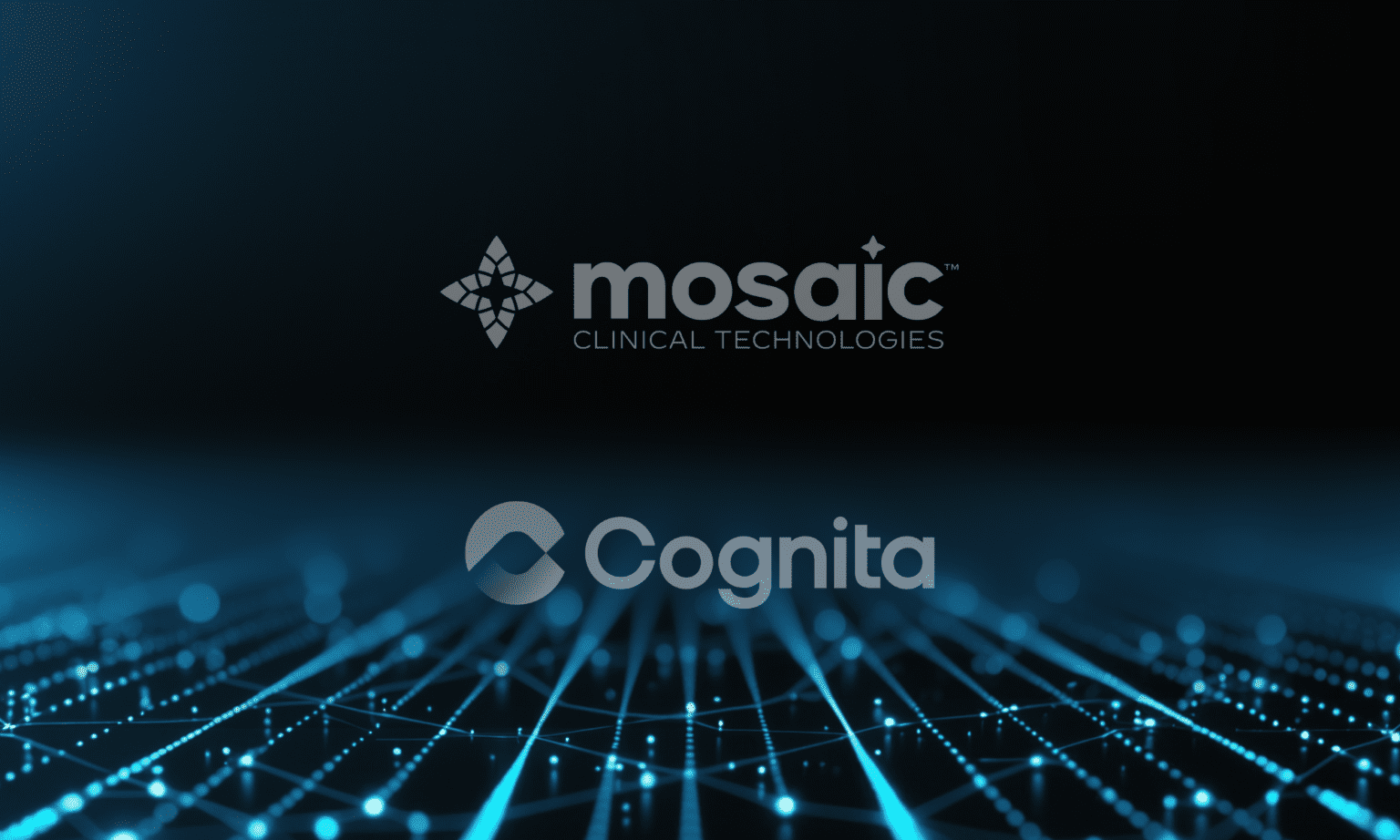

header with 3 different snapshots of Dr. Weigert; one of her posing with two other women, one of her holding a young boy, and the last of her dancing with her partner.

Why RP? A Q&A with Dr. Jean Weigert, Breast Radiologist

In honor of Breast Cancer Awareness Month, we spoke with Dr. Jean Weigert about the path that led her to become a breast radiologist, advocate for dense breast legislation and champion patient-centered care through decades of innovation.

Dr. Jean Weigert is a breast radiologist and breast imaging section chief at Jefferson Radiology, a Radiology Partners (RP)-affiliated practice. A Fellow of the American College of Radiology (FACR) and the Society of Breast Imaging (FSBI), she joined RP in 2017. Outside of work, Dr. Weigert’s passions include singing and ballroom dancing.

We talked to Dr. Weigert about her experience in the continually transforming field of breast imaging, her part in passing legislature in her home state of Connecticut and how the role of women has changed drastically in medicine.

What inspired you to be a radiologist?

I went to medical school in the late 1970s, when medicine still had quotas for women. Only about 20% of the class could be female. Most of us assumed we’d go into fields like pediatrics, OB-GYN or internal medicine. We didn’t think about surgery or what was then the “esoteric” field of radiology. I originally planned to pursue OB-GYN and took several electives, including one in radiology. During that rotation, I realized I could see anatomy in three dimensions. Not everyone can do that. The radiologists would show us images, and I could immediately recognize the structures. Everyone else was asking, “What are you seeing?”

Looking back, I think a lot of that came from my upbringing. I was raised in a very artistic home. My father was a physician who also painted, and we spent a lot of time in art museums. To me, the human body is beautiful, inside and out. Radiology let me appreciate it in a truly unique way. Unlike most people at the time, I went directly into radiology. I did a rotating internship and was fortunate to be accepted to some of the top residencies. I chose Columbia, and it was the right fit; their radiology department was excellent, and the experience shaped the rest of my career.

How did you become a breast radiologist?

Back when I trained, “breast imaging” didn’t really exist. But during my abdominal imaging fellowship, I started spending more time in gynecologic imaging and with early mammography, which was still developing in the early 1980s. At that time, mammograms were done on standard X-ray machines, often for women who already had a suspicious lump, as there was no screening yet.

After my training, I moved to Connecticut for my husband’s job. It was very hard to find a radiology position, especially as a woman. Ironically, I was hired by a group opening a mammography center, mainly because I was a woman and they thought it would be good for public relations. Reverse discrimination? Maybe. But I took the opportunity and ran with it, and that’s how I carved out a niche in breast imaging. I started teaching residents at the University of Connecticut once a month, hauling in my mammograms in a bag. They called me the “bag lady.” Over time, I built a reputation as a women’s imager, doing research, lecturing and growing the practice in ways no one else was really doing.

What was mammography like for women in the 1980s?

It was a very different world. Women typically came in because they felt a lump. Cancers were larger and often already metastatic. We didn’t have minimally invasive biopsies; surgeons would remove large pieces of tissue. If the pathology came back as cancer, the woman would often wake up having had a mastectomy. Lumpectomies weren’t a thing yet. We’ve come a long way, but even today, we still see too many advanced cancers. We all hoped we’d catch every cancer early – under 1 cm – but that’s not always the case. Still, with the tools we have now, we can detect more cancers earlier than ever before.

What do you wish more women knew about breast health today?

That they have power and control over their health. I say this to patients all the time: “You know your body better than anyone. If something doesn’t feel right, don’t ignore it.” Even if it turns out to be nothing, that’s still a win. We’re also seeing a troubling trend, with more aggressive breast cancers in younger women. I’ve seen women in their 20s with invasive disease. Since screening usually starts at 40, these cancers are often only found because the patient noticed a lump. That’s why self-awareness and risk-based screening are so important.

Speaking of guideline, what should women understand beyond “get a mammogram at 40”?

Guidelines are just that – guidelines. If you have a first-degree relative with breast cancer, you should start screening 10 years earlier than their age at diagnosis. And now we have genetic risk models and tools to assess a woman’s lifetime risk. But I also remind patients: “Don’t say you’re not at risk just because you have no family history. If you have breasts, you’re at risk.”

What innovations have transformed breast imaging during your career?

When I started, mammograms were done on film and developed in dark rooms. Fast-forward to today, and we have:

  • Digital mammography, which allows real-time manipulation of images.
  • Tomosynthesis (3D mammography), which gives us millimeter-thin slices of breast tissue—like a CT scan of the breast.
  • Advanced ultrasound, which can evaluate vascularity and tissue characteristics.
  • MRI, now a powerful tool for high-risk women, with sequences that reveal solid vs. cystic lesions and vascular kinetics.
  • Contrast-enhanced mammography and molecular imaging, which give us insight into metabolic activity—cancers are often hypermetabolic.
  • AI, which helps us assess density, flag subtle findings and improve accuracy.

We’ve gone from “how did we even find cancers back then?” to having an array of incredible tools today. The challenge now is interpreting all that data responsibly and minimizing unnecessary biopsies while still catching early, aggressive cancers.

You played a role in passing Connecticut’s dense breast legislation. Can you tell us more about that?

In 2005, Connecticut passed a little-known law allowing ultrasounds for women with dense breasts, but no one was using it. Then a close colleague of mine was diagnosed with Stage III breast cancer shortly after receiving a “normal” mammogram. Her breasts were dense, and the mammogram had missed it. She became a tireless advocate. Together with the Connecticut Radiology Society, we lobbied to make breast density reporting and supplemental screening the standard. In 2009, Governor Rell, herself a survivor, signed the first dense breast law in the U.S.

I also led some of the earliest studies on screening ultrasound, publishing papers that showed we could detect an additional 3–4 cancers per 1,000 women. That’s huge. Now, 38 states have laws, and as of September 2024, every woman in the U.S. must be notified of her breast density on her mammogram results.

What’s been the most meaningful part of working with patients?

It’s the human part of radiology. When I can tell a woman, “This looks totally fine,” and she hugs me in relief—it’s amazing. When I have to tell a patient we need a biopsy, I’m honest and compassionate. I say, “I’ve been doing this long enough to know that when I don’t know what something is, I need to find out.” Then I lay out the plan. Patients appreciate that clarity.

You’re now part of Jefferson Radiology and RP. How has that experience been?

What drew me to Jefferson Radiology was their subspecialty model, where I could focus on what I do best. The volume, the team and the technology elevated my skills. Honestly, it felt like a mini fellowship. I learned so much from my colleagues. Radiology has changed drastically over my career and so has the role of women in medicine.

As part of RP, I’ve gotten to participate in exciting national projects, like research on breast calcifications. That level of collaboration didn’t happen in my smaller group before. I also appreciate RP’s openness to innovation and the fact that they’ve created a platform for clinical voices like mine to be heard.

What honors have shaped your career?

In 2008, I became a Fellow of the American College of Radiology (FACR) an honor given to only 10% of radiologists, and even fewer women at the time. I was also appointed chair of the ACR Accreditation Committee for Mammography and continue to serve as a senior reviewer for MQSA.

In 2020, I was honored to become a Fellow of the Society of Breast Imaging (FSBI). Most SBI fellows are academics with dozens of publications. I’ve always been a clinician, a “closet academic.” They actually adjusted the criteria to allow recognition of clinical excellence—and I was the first to be awarded through that path.

How do you spend your time outside of medicine?

I have five daughters—two of my own and three stepdaughters—and seven grandchildren. I’m not the “babysitting grandma,” but I’m very involved. Some of my daughters now get mammograms, and I’m proud they take their health seriously—even if they sometimes forget to tell me!

Outside of family, I have two big passions: singing and competitive ballroom dancing. I’ve been dancing for 30 years. It’s great for my body and my brain and it forces me to let someone else lead, which isn’t easy for me! I also love history and genealogy. I come from a long line of scientists and physicians, including a Nobel Prize winner, in some ways, this path was always part of my DNA.

Dr. Jean Weigert earned her medical degree from State University of New York Upstate Medical Center, and she completed both her fellowship in abdominal imaging and residency in diagnostic radiology at Columbia-Presbyterian Medical Center.

Radiology Partners, through its owned and affiliated practices, is a leading physician-led and physician-owned radiology practice in the U.S. Learn more about our mission, values and practice principles at RadPartners.com. For the latest news from RP, follow along on our blog and on XLinkedIn, Instagram and  YouTube. Interested in learning about career opportunities? Visit our careers page.


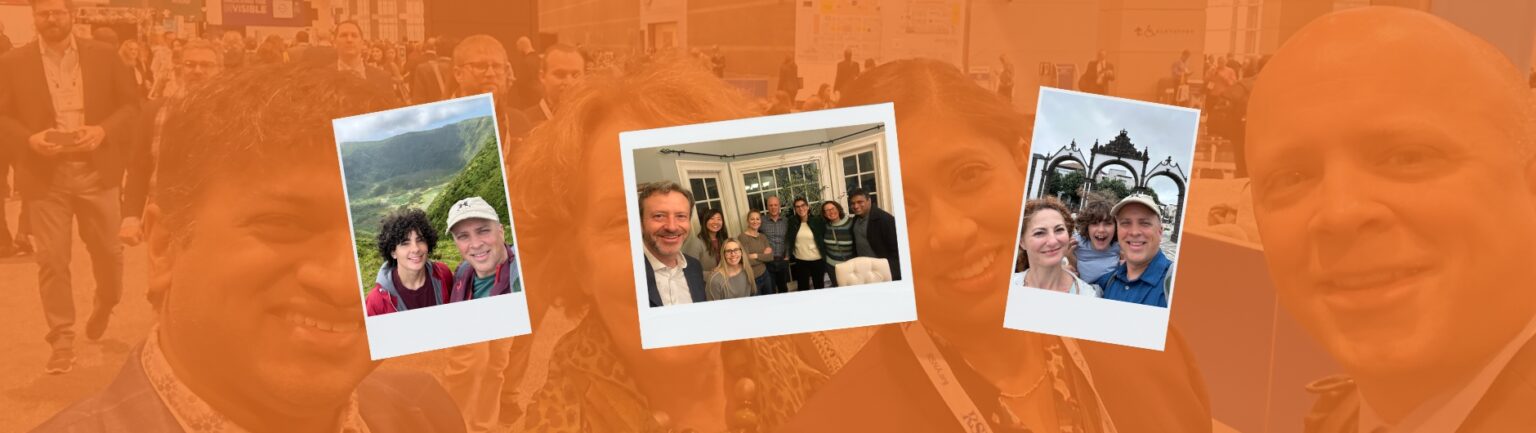
set of 3 images one of Dr. Poff with his son, another with RP collegues, and the last with him, his wife and son.

Why RP? Q&A with Dr. Jason Poff, Body Radiologist

Dr. Jason Poff discusses the unique opportunities and supportive environment at Radiology Partners that foster personal and professional growth and how RP is helping shape the future of radiology.

Dr. Jason Poff is a body radiologist based in Greensboro, North Carolina. As director of innovation deployment at Radiology Partners (RP), he works with RP’s clinical artificial intelligence (AI) team to identify and deploy the latest clinical AI models and other innovative technology to support RP radiologists in providing high-quality patient care. Outside of work, he enjoys being involved with his sons’ sports, spending time with family, long-distance jogging and reading. He joined RP in 2019.

We talked to Dr. Poff about the unique opportunities and supportive environment at Radiology Partners that foster personal and professional growth and how RP is helping shape the future of radiology.

What inspired you to become a radiologist?

I studied engineering as an undergraduate, and I still think of engineers as “my people” to this day. That’s how I process the world—I think like an engineer. When I was in college, I had an influential person in my life who was a physician. I was in chemical engineering specifically, which is all about building oil refineries and factories, and while I appreciated the problem-solving nature of it, it wasn’t as inspiring to me as taking care of people. It became clear to me in the middle of college that I wanted to go to medical school. I knew I wanted to pursue the field of radiology quickly, because it’s so adjacent to technology. Radiology feels like a frontier that’s moving the practice of medicine forward. It’s a dynamic field that’s always changing, and there’s always an opportunity to do something novel. I also really like the breadth of radiology and the fact that it touches every part of medicine – it’s not just one organ or just one type of malady. You need to be flexible with your knowledge and be able to have conversations with so many different types of physicians and patients.

What drew you to your subspecialty?

I did an abdominal imaging fellowship, but colloquially I say I’m a body radiologist. During training, my favorite thing about abdominal imaging was that I interacted with many different types of specialists. For me, I love to preserve flexibility in my career and have optionality. I appreciated that I could work with GI specialists, urologists or general surgeons. There are so many different directions, and I like the challenging aspect of having to master a variety of conditions. When I joined Greensboro Radiology, they actually hired me as a thoracic chest specialist, but they gave me the opportunity to learn on the job in an almost mini-fellowship with a former academic thoracic radiologist, Dr. Dan Entrikin, at Greensboro. I was fortunate in the kind of position I had at the time and the support I had to grow my specialty area.

How did you connect with RP?

I joined Greensboro Radiology in 2016, and Greensboro Radiology partnered with RP in 2019. We’ve had a lot of wonderful leaders in our practice who have been involved in RP from the beginning, and I’ve been able to learn from and see how their participation in RP benefited them and their careers. I am so appreciative of the personal growth I’ve experienced by becoming a leader at RP. RP has truly invested in me in a way that has allowed me to get out of my comfort zone. I love being a radiologist, but one of the things I really value at RP is being part of this team of people with a lot of different backgrounds. In addition to radiology, I work with people in creative branding, data scientists, IT experts, project management and people on the business and strategy side. It’s such a unique environment to be able to learn from all those people.

What’s most fulfilling about working as a radiologist at RP?

Number one, I’ve always felt RP was in a unique position to invest in the future for radiologists in a way that not many organizations or practices can do. With the expansive network of practices and the number of different domain experts RP invests in, that is difficult to find elsewhere in medicine, and the fact that it’s Radiology Partners—not just your hospital where you have to collaborate with many different stakeholders to make decisions about how to get new technology in your workflow—we’re just focused on radiology. That is such a unique position to be in, and it allows you to cut through red tape a lot of others face. We see that when we’re speaking with representatives from other institutions. Being at RP is just so unique, with its network, ability and intent to invest in transforming radiology. I see it as a once-in-a-career opportunity for me.

I also really value RP’s continued investment in physicians. I’ve benefited, but I’ve seen many people benefit, and it’s a huge range of opportunities. It’s one of the things I love to tell people about. RP will support you with everything from how to balance your career work-life balance to how to fight against burnout, and there are so many wonderful leaders who you can model yourself after. I think personally about Dr. Nina Kottler, associate chief medical officer for clinical AI, but also many people in leadership positions who you can emulate and grow with and from. When you’re drawing from a pool of talented people from the entire country, you are connected with some outstanding people to learn from.

What do you share with trainees when they ask you about working at RP?

It’s important to have the desire to seek out opportunities for growth as one of your primary career objectives. You’re always supposed to be one percent better than the person you were yesterday, right? To achieve that, you need opportunities, and RP provides so many ways to seek out those growth opportunities. It can be anywhere from the subspecialty leads to the culture and radiologist experience side; the business and strategy side to the sales side; the technology side. You can literally pursue anything that excites you or interests you in your career. It’s a special practice, and I’ve been able to learn from a lot of people with different expertise.

Talk about your role as director of innovation deployment at RP and how that applies to what you’re passionate about.

I feel fortunate in my role as a director in the AI space at RP. I was in the right place at the right time and found a wonderful mentor in Dr. Kottler and the other colleagues on my team. I don’t have a background in informatics. I’m just an engineer who loves radiology, and I’m persistent and keep showing up. I call myself an “AI junkie.”

But how does AI tie into abdominal imaging?

To me, AI is just an opportunity or a tool we arm ourselves with to be a better version of ourselves. That’s how I fundamentally think about AI. A lot of people have this fear of AI taking away our jobs, or they fear what it could potentially represent, but I see it differently. Just like we used the PACS system to move into the digital realm or like we used the dictaphone and voice recognition to get away from analog and move to digital, AI is another tool that levels us up as radiologists. It’s enabling us to take better care of our patients but also to do so in a way that makes the practice of medicine more sustainable and more enjoyable in an environment where we’re all extremely busy and have a lot of people who need our help.

What does the future of radiology look like, and how will RP contribute to that?

I am excited about the future of radiology because I think we’re at a pivot point now, in this place where there are many people who need our care. Imaging is helpful to people, and that’s why the demand increases every day. That’s not going to change, because in this environment where resources are limited, not just in radiology but in every medical specialty and throughout society, there’s a limitation on expertise and people who are well trained. Imaging is just going to grow in importance. That’s the reality, but there’s an opportunity now to shake up the paradigm. Personally, I think it’s a call to action. If we don’t define what the future of radiology is and carve that path through the challenges, someone else will. I see this as a huge opportunity. It’s a time where we need to apply ourselves, be creative and think about how technology can help us solve the challenges we face now.

What would you say to radiology trainees with that pivot point in mind?

I’d tell somebody who has 30-40 years of their career ahead of them to be thoughtful about joining an organization, practice or group of people that is committed to investing in the future. They need to be explicitly looking at addressing these challenges with unique solutions, and that’s going to involve technology and novel approaches to workflow and clinical solutions. Also, look for places that are dynamic and have a nimble mission statement. One of the things I love about Radiology Partners is that right up front, at the very top, they say they’re going to transform radiology. That is meaningful, because it’s literally setting the precedent that you should expect change, and that change is going to be essential to providing a high level of patient care and remaining a successful practice in the future. I like how it’s the very essence of the practice and the core theme. Change is not just an idea; it’s essential, and I think that’s only becoming more evident as we enter this dynamic where there’s this imbalance between capacity and demand of radiology services. In my opinion, the organizations committed to a culture of change are going to thrive.

With burnout being such a prevalent topic in medicine at large, do you have any observations on how do we confront burnout in the radiology space?

To me, burnout means you are lacking inspiration, so look for ways to feel inspired. Maybe inspiration is related to a sense of control over your environment. If you’re doing the same thing day in and out, that work just gets harder, and if you feel like you didn’t participate or aren’t connected to the decision-making process, that can manifest as burnout. Also, I would encourage you to seek new challenges or shake up your career in some way. Look for something different or for a new group of colleagues. They will help you to explore your interests and help you to understand why you were in that position that was leading to those feelings of burnout. Personally, this has given me a lot more energy in my career.

Anything else you’d like to share about your experience at RP? 

I’m just thankful. RP is a unique practice. I’ve never been in a place where I could access people with such different backgrounds and grow as a person from it. I don’t have a business or strategy bone in my body, but I’ve been able to pick up things by being around others who work in those areas. It makes you look at the world in a way that makes you more creative and more flexible when challenges arise. Being able to connect with so many types of people is a real strength of RP. 

Dr. Jason Poff earned his medical degree from Columbia University; completed his residency at the Hospital of the University of Pennsylvania; and completed his fellowship in abdominal imaging at the Hospital of the University of Pennsylvania.

Radiology Partners, through its owned and affiliated practices, is a leading physician-led and physician-owned radiology practice in the U.S. Learn more about our mission, values and practice principles at RadPartners.com. For the latest news from RP, follow along on our blog and on XLinkedIn, Instagram and  YouTube. Interested in learning about career opportunities? Visit our careers page.


Radiology Partners and RADPAIR Forge Strategic Partnership Focused on Generative AI Solutions for Radiology

Partnership focuses on building intelligent connections to address radiology’s critical capacity challenges, combining clinical expertise and technology innovation to drive the future of patient care

 (EL SEGUNDO, Calif., and KNOXVILLE, Tenn.) Dec. 2, 2024Radiology Partners (RP), the leading radiology practice in the U.S. through its owned and affiliated practices, and RADPAIR, a leader in generative AI-driven radiology solutions, today announced a strategic partnership to advance radiology innovation and address critical capacity challenges. The collaboration focuses on the co-development of advanced AI driven reporting tools designed to enhance accuracy and reimagine radiologist workflow. RADPAIR’s innovative solutions optimize radiologists’ workflow, improve efficiency and enable physicians to prioritize patient care. By combining RADPAIR’s technology with RP’s deep expertise in clinical workflow, AI validation, deployment and adoption, and RP’s national network of more than 3,900 radiologists, the partnership aims to create a more rewarding and sustainable practice environment for radiologists. This collaboration also addresses critical capacity shortages impacting healthcare facilities nationwide—ultimately delivering better outcomes for patients and providers across the healthcare system. 

“The future of radiology hinges on embracing the radiologist’s role as the clinical information expert. To realize this vision, we must focus on building intelligent connections—human to human, human to tech and tech to tech,” said Dr. Nina Kottler, Associate Chief Medical Officer for Clinical AI at RP and plenary speaker during the Radiological Society of North America (RSNA) 2024 annual meeting. “These connections are pivotal in addressing the critical capacity challenges radiology faces today, and our partnership with RADPAIR is an example of how RP is leading this transformation. By fostering collaboration between radiologists and clinical technology developers, we are building the next generation platform to seamlessly integrate multiple technologies and deliver exponential improvements in workflow and clinical support tools for patient care. Change is never easy, but it is essential. Now is the time to lean in, learn and transform how we practice radiology for the better.” 

“We expect the RADPAIR partnership to accelerate RP’s mission to transform radiology and further position our practice to address industry-wide capacity challenges,” said Rich Whitney, CEO and Board Chair for RP. “By integrating our national practice model and robust clinical technology platform with RADPAIR’s unique capabilities, we can rapidly scale co-development, validation and implementation of important advanced solutions. This partnership reflects our commitment to leveraging innovation to solve the specialty’s most pressing challenges and deliver impactful solutions for providers, clients and patients alike.” 

“The partnership between RADPAIR and RP represents a turning point for radiology workflows, where cutting-edge workflow optimization meets real-world clinical expertise,” said Dr. Avez Rizvi, CEO for RADPAIR. “Our innovations, combined with RP’s expansive technology platform and operational scale set a new benchmark for what’s possible in radiology, redefining how the specialty addresses efficiency and quality in patient care.” 

To learn more about RP and RADPAIR innovations:  

  • Visit RP’s booths:  
    • North Hall #7109 to learn more about RP’s role in transforming radiology through clinical value, technology, service and economics, while elevating the role of radiology and radiologists in healthcare. 
    • South Hall #1037 to connect with RP radiologists and learn what it’s like to work for a leading radiology practice. 
  • Visit RADPAIR’s booth #4918 to experience the future of radiology reporting and to test drive RADPAIR’s technology offerings. 
About Radiology Partners

Radiology Partners, through its owned and affiliated practices, is a leading radiology practice in the U.S., serving more than 3,400 hospitals and other healthcare facilities with high quality radiology, technology and artificial intelligence solutions. As a physician-led and physician-owned practice, our mission is to transform radiology by innovating across clinical value, technology, service and economics, while elevating the role of radiology and radiologists in healthcare. Using a proven healthcare services model, Radiology Partners provides consistent, high-quality care to patients, while delivering enhanced value to the hospitals, clinics, imaging centers and referring physicians we serve. Learn more at radpartners.com and connect with us at @Rad_Partners.   

About RADPAIR

RADPAIR is a pioneering platform in radiology, leveraging cutting-edge generative AI technology to streamline the generation of radiology reports. It leads the way in clinical AI innovation, offering a user-friendly, web-based solution that is poised to revolutionize radiology reporting. With a strong commitment to data security, HIPAA+ compliance, and automation, RADPAIR enhances the efficiency and quality of patient care in the field of radiology. 

Media Contacts

For RP: 

Sheila Biggs
sbiggs@jarrardinc.com 
For RADPAIR: 

Fatima Baig
Fatima@radpair.com