Great Place to Work

Radiology Partners Earns Great Place to Work-Certification™ for Sixth Consecutive Year

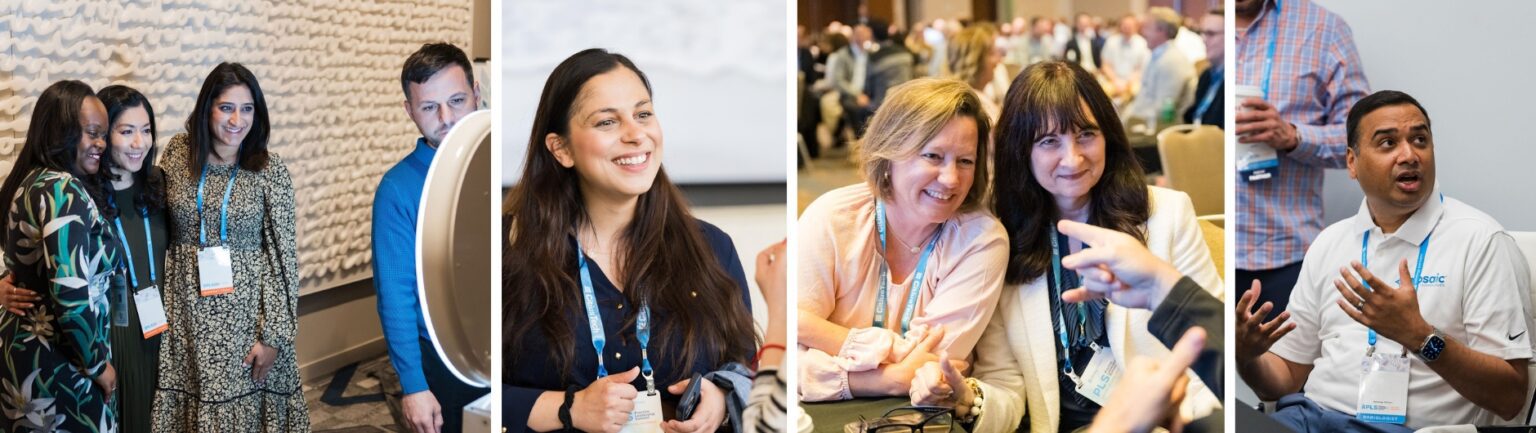
(NASHVILLE, Tenn.) Feb. 26, 2026Radiology Partners (RP), the leading technology-enabled radiology practice in the U.S. through its affiliated practices, announced it is Great Place to Work-Certified™ for the sixth consecutive year. Through its rigorous, data-driven methodology, Great Place to Work Certification™ confirms more than 80% of RP teammates say the practice offers a flexible, welcoming and caring environment where teammates are trusted with meaningful responsibility and empowered to work independently. The 2025 certification is a significant achievement, as the award is based entirely on what current radiologists and support teammates say about their experience working at RP.

Great Place to Work® is the global authority on workplace culture, employee experience, and the leadership behaviors proven to deliver market-leading revenue, employee retention and increased innovation.

“Radiology Partners is proud to earn Great Place to Work Certification™ for the sixth consecutive year,” said Jâlie Cohen, Chief Human Resources Officer. “This recognition underscores our steadfast commitment to prioritizing the teammate experience by fostering a welcoming and caring workplace where teammates feel valued, trusted and empowered. This culture of excellence enables us to consistently deliver outstanding service to our patients, referring physicians, clients and communities we serve.”

“Great Place to Work Certification is a highly coveted achievement that requires consistent and intentional dedication to the overall employee experience,” says Sarah Lewis-Kulin, vice president of Global Recognition at Great Place to Work. “By successfully earning this recognition, it is evident that Radiology Partners stands out as one of the top organizations to work for, providing a great workplace environment for its employees.”

According to Great Place to Work research, job seekers are 4.5 times more likely to find a great boss at a Great Place to Work Certified™ workplace, and teammates at certified workplaces are 93% more likely to look forward to work.

About Radiology Partners

Radiology Partners, through its affiliated practices, is the leading technology-enabled radiology practice in the U.S., serving more than 3,400 hospitals and other healthcare facilities with high quality radiology, technology and artificial intelligence solutions. As a physician-led and physician-owned practice, our mission is to transform radiology by innovating across clinical value, technology, service and economics, while elevating the role of radiology and radiologists in healthcare. Using a proven healthcare services model, Radiology Partners provides consistent, high-quality care to patients, while delivering enhanced value to the hospitals, clinics, imaging centers and referring physicians we serve. Learn more at radpartners.com and connect with us on LinkedIn, X, Instagram and YouTube.

About Great Place to Work Certification™

Great Place to Work® Certification™ is the most definitive “employer-of-choice” recognition that companies aspire to achieve. It is the only recognition based entirely on what employees report about their workplace experience – specifically, how consistently they experience a high-trust workplace. Great Place to Work Certification is recognized worldwide by employees and employers alike and is the global benchmark for identifying and recognizing outstanding employee experience. Every year, more than 10,000 companies across 60 countries apply to get Great Place to Work-Certified.

About Great Place to Work®

As the global authority on workplace culture, Great Place to Work® brings 30 years of groundbreaking research and data to help every place become a great place to work for all. Their proprietary platform and For All™ Model helps companies evaluate the experience of every employee, with exemplary workplaces becoming Great Place to Work Certified™ or receiving recognition on a coveted Best Workplaces™ List. Learn more at greatplacetowork.com and follow Great Place To Work on LinkedIn, Twitter, Facebook and Instagram.

Media Contacts

Sheila Biggs
sbiggs@jarrardinc.com


Rad to Rad Learning: Endoleaks

The Radiology Partners (RP) Interventional Radiology National Subspecialty Division (NSD) presents our newest Rad to Rad Learning case.


Peer Learning Opportunitymegaphone icon

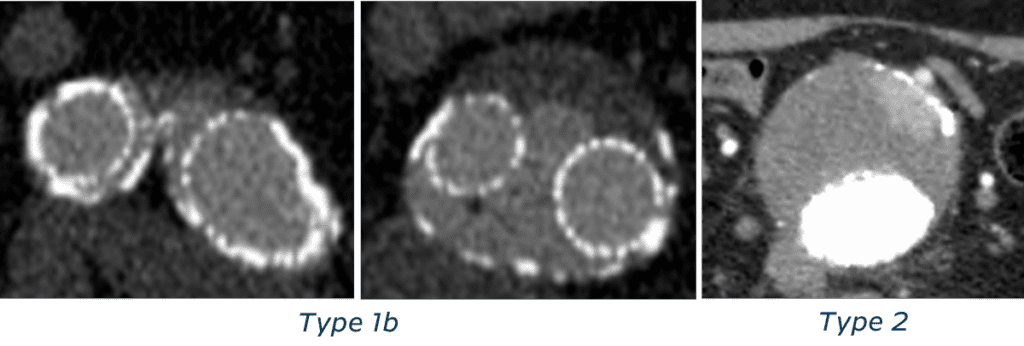
Classification of endoleaks drives critical management and follow-up.

Endoleaks

Type 1: Incomplete endograft seal and contrast tracking around the graft directly into the sac. Type 2: Retrograde flow of one or more branch arteries into the sac.

Shared to improve patient safety and healthcare delivery in the provision of radiology services. The circumstances and facts are changed, altered, or deidentified to preserve confidentiality. Privileges have not been waived.


Practical Insights duplicate icon

    • Type 1:

      • Type 1a = proximal seal.
      • Type 1b = distal seal.
      • Both high-risk, requiring urgent repair!
    • Type 2:

      • Most common.
      • Not urgent, but requires follow-up.
      • For >5mm growth over 6 months, treat with embolization.

Bell iconTakeaway: type 1 endoleak is a critical finding!

The Interventional Radiology National Subspecialty Division (NSD) is part of RP’s Clinical Value Team, whichworks to elevate patient care and enhance value through innovation, collaboration and education. To advance this goal, our radiologists and advanced practice providers are committed to sharing peer learning as valuable reminders and insights about what we encounter in our day-to-day practiceCheck back here and on XLinkedIn and Instagram to see these common cases and our findings.

Visit the Clinical Resources page for more cases and to see what we’ve developed to enhance best practice recommendations, elevate image quality and patient care and update current standards throughout RP’s network of practices, all to deliver excellent radiology services to patients, referring clinicians and client partners.

Radiology Partners, through its owned and affiliated practices, is a leading physician-led and physician-owned technology-enabled radiology practice in the U.S. For the latest news from RP, follow us on XLinkedInInstagramYouTube and the blog.


Rad to Rad Learning: Measuring RV/LV Ratio


The Radiology Partners (RP) Interventional Radiology National Subspecialty Division (NSD) presents our newest Rad to Rad Learning case.


Peer Learning Opportunitymegaphone icon

Patients who have lobar or larger PE and evidence of right heart strain are at increased risk for 30 day in-hospital morbidity and mortality.


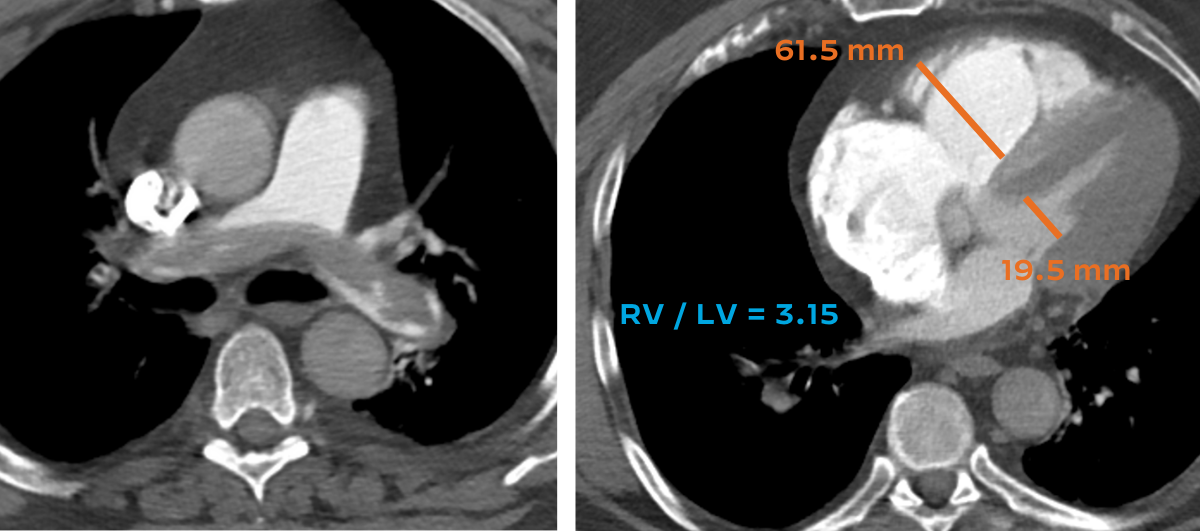
Measuring RV/LV Ratio

Measure perpendicular to the long axis of the heart, widest inner wall to inner wall RV diameter and LV diameter.

Measure perpendicular to the long axis of the heart

Right ventricle is 61.5mm. Left ventricle is 19.5mm. RV/LV Ratio is 3.15.

Shared to improve patient safety and healthcare delivery in the provision of radiology services. The circumstances and facts are changed, altered, or deidentified to preserve confidentiality. Privileges have not been waived.


Practical Insights duplicate icon

    • PE with right heart strain is referred to as intermediate risk and warrants assessment.

    • Measure on the slice(s) where each ventricle is widest.

    • An RV / LV ratio ≥ 1.0 = right heart strain

    • The inner wall is the edge of the compacted myocardium.


Bell iconTakeaway: Clot burden must be Central (lobar or main trunk).

The Interventional Radiology National Subspecialty Division (NSD) is part of RP’s Clinical Value Team, whichworks to elevate patient care and enhance value through innovation, collaboration and education. To advance this goal, our radiologists and advanced practice providers are committed to sharing peer learning as valuable reminders and insights about what we encounter in our day-to-day practiceCheck back here and on XLinkedIn and Instagram to see these common cases and our findings.

Visit the Clinical Resources page for more cases and to see what we’ve developed to enhance best practice recommendations, elevate image quality and patient care and update current standards throughout RP’s network of practices, all to deliver excellent radiology services to patients, referring clinicians and client partners.

Radiology Partners, through its owned and affiliated practices, is a leading physician-led and physician-owned technology-enabled radiology practice in the U.S. For the latest news from RP, follow us on XLinkedInInstagramYouTube and the blog.


Clinical Pathway: RP’s Clinical Value Team presents best practices for E&M service lines

Radiology Partners published an Evaluation & Management (E&M) Service Line Clinical Pathway.

Dedicated E&M service lines are a powerful way to enhance the continuity of care while strengthening the operational efficiency of radiology practices. These service lines can advance the patient experience, reinforce strong relationships with referring providers, improves overall satisfaction within interventional radiology (IR) teams, supports compliance with billing and regulatory requirements and helps ensure appropriate reimbursement for the services provided.

RP’s Advanced Practice Provider and IR National Subspecialty Division Advisory Boards collaborated on a Clinical Pathway on creating an E&M Service Line, exploring recommended structure, workflows and coding guidance.  

Chris Davis, DMSc, PA-C, RT, serves as RP’s national subspecialty lead (NSL) for Advanced Practice Providers, and Dr. Heath McCullough serves at RP’s NSL for Interventional Radiology. They each partner with an advisory board made up of practicing APPs and radiologists to spearhead the development and implementation of programs with a mission to enhance clinical value and quality in imaging across RP. They focus on refining best practice recommendations, advancing image quality and aligning with the latest industry standards, all to deliver innovation and excellence in radiology services for patients, referring clinicians and client partners, and they share resources, like this clinical pathway, broadly so that all practices can deliver high-quality subspecialty care to patients in their communities.

Radiology Partners  Clinical Value Team exists to elevate patient care and enhance value through innovation, collaboration and education. Radiology Partners, through its owned and affiliated practices, is a leading physician-led and physician-owned radiology practice in the U.S. For the latest news from RP, follow us on X, LinkedIn, Instagram, YouTube and the blog.

Shared to improve patient safety and healthcare delivery in the provision of radiology services. The circumstances and facts are changed, altered, or deidentified to preserve confidentiality. Privileges have not been waived.


RP and Stanford Partnership

Radiology Partners and Stanford Radiology AIDE Lab Launch Strategic Partnership to Advance AI Safety in Radiology

Academic excellence meets clinical impact: turning clinical AI research into real-world readiness

(NASHVILLETenn.) Jan. 282026 – Radiology Partners (RP), the leading technology-enabled radiology practice in the U.S. through its affiliated practices, and a national leader in clinical AI deployment through its Mosaic Clinical Technologies™ division, today announced a strategic partnership with Stanford Radiology’s AI Development and Evaluation (AIDE) Lab. The collaboration aims to pioneer new methods for assessing and continuously monitoring artificial intelligence (AI) tools in medical imaging and to share those insights broadly with the radiology community. 

The partnership will combine RP’s real-world expertise in operationalizing and scaling AI across thousands of clinical sites through Mosaic Clinical Technologies™, with the AIDE Lab’s academic rigor and commitment to ensuring the safety, reliability and equity of AI in healthcare. Together, the teams will co-develop research frameworks that enable practical and high-impact AI evaluation—approaches that can be adopted by health systems nationwide and globally. 

“Stanford’s AIDE Lab brings world-class thought leadership and scientific discipline to the challenges of AI in medicine,” said Dr. Nina Kottler, Chief Medical AI Officer for Mosaic Clinical Technologies™, and recognized global expert in AI in radiology. “By combining their academic expertise with RP’s scale and clinical integration experience, we have the opportunity to develop and share evidence-based systems for AI validation and monitoring that work in real-world practice and ultimately benefit patients everywhere.” 

The collaboration has already yielded joint research efforts focused on translating RP’s on-the-ground learnings from Mosaic-enabled AI deployments into reproducible, peer-reviewed insights. These insights aim to establish a foundation for AI transparency, quality assurance and continuous performance monitoring as AI tools evolve and scale. 

“This partnership allows us to accelerate our shared missions: to ensure that AI in radiology enhances, not compromises patient care,” said Dr. David B. Larson, Co-Director of the AIDE Lab and Professor of Radiology at Stanford University. “We are excited to bring the AIDE Lab’s academic capabilities to Radiology Partners’ existing work in clinical AI adoption. This openness to sharing our respective experiences and journeys will enable us to develop practical solutions for the broader healthcare ecosystem.” 

The research will be conducted at Stanford University School of Medicine’s Department of Radiology and will include active participation from RP radiologists and data science teams. Together, the organizations aim to define pragmatic guidelines and performance frameworks that make AI integration safer, smarter, and more scalable across healthcare settings, including approaches for continuous monitoring within live clinical environments supported by Mosaic Clinical Technologies™. 

About Radiology Partners

Radiology Partners, through its affiliated practices, is the leading technology-enabled radiology practice in the U.S., serving more than 3,400 hospitals and other healthcare facilities with high quality radiology, technology and artificial intelligence solutions. As a physician-led and physician-owned practice, our mission is to transform radiology by innovating across clinical value, technology, service and economics, while elevating the role of radiology and radiologists in healthcare. Using a proven healthcare services model, Radiology Partners provides consistent, high-quality care to patients, while delivering enhanced value to the hospitals, clinics, imaging centers and referring physicians we serve. Learn more at radpartners.com and connect with us on LinkedIn, X, Instagram and YouTube. 

About Mosaic Clinical Technologies™ and MosaicOS 

Mosaic Clinical Technologies™, the technology and AI services division of Radiology Partners (RP), is powering the future of radiology through MosaicOS™—a proprietary imaging management platform designed to meet the specialty’s most pressing challenges. A fully cloud-native and AI-native operating system, MosaicOS™ is where innovation meets impact, seamlessly integrating diagnostic technologies, AI-powered tools and smart workflows into a single scalable solution. Mosaic Clinical Technologies™ supports RP’s national network of affiliated practices and commercial partners across the imaging landscape, redefining what is possible in enterprise imaging. Connect with us on LinkedIn. Contact us at info@MosaicClinical.ai.   

Media Contacts
Sheila Biggs
sbiggs@jarrardinc.com


Rad to Rad Learning: Perched Facets

The Radiology Partners (RP) MSK Musculoskeletal National Subspecialty Division (NSD) presents our newest Rad to Rad Learning case.


Peer Learning Opportunitymegaphone icon

This diagnosis is associated with high risk for spinal cord injury and vertebral artery injury.

[image_with_animation image_url=”9025″ image_size=”large” animation_type=”entrance” animation=”None” animation_movement_type=”transform_y” hover_animation=”none” alignment=”center” border_radius=”none” box_shadow=”none” image_loading=”default” max_width=”100%” max_width_mobile=”default”]

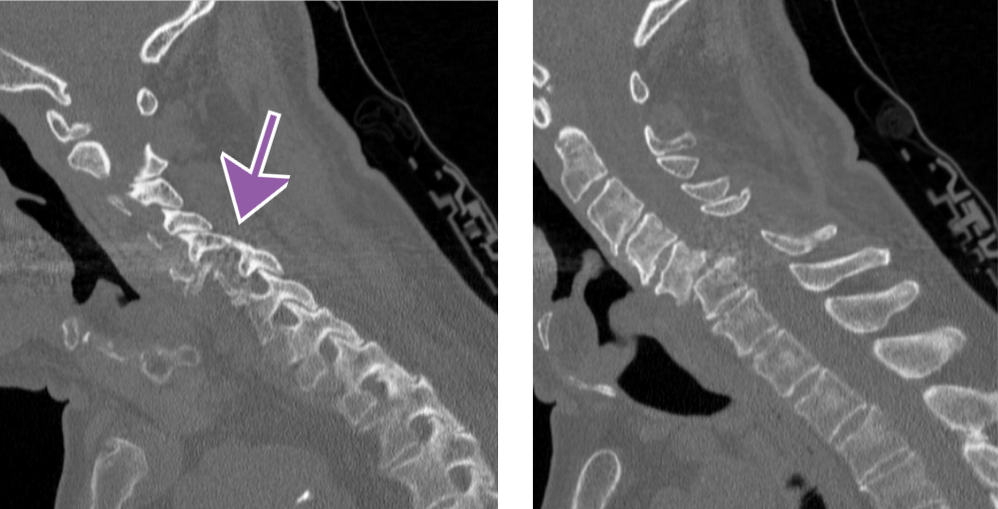
Perched Facets

Malalignment of the facet joints with the inferior articular process of C5 sitting anteriorly “perched” on the superior articular process of C6.

radiographic image of a spinal with malalignment of the facet joints.Shared to improve patient safety and healthcare delivery in the provision of radiology services. The circumstances and facts are changed, altered, or deidentified to preserve confidentiality. Privileges have not been waived.

Practical Insights duplicate icon

    • Mechanism matters: Due to hyperflexion, lateral compression and rotation, most often from automobile accident.

    • Widening of the interspinous distance.

    • Up to 90% of patients with interfacetal dislocation will present with symptoms, and up to 40% can have a complete spinal cord injury.

    • Early diagnosis and treatment can decrease permanent neurologic injury incidence.


Bell iconSearch Pattern alert: Examine facet joints on parasagittal images.

The MSK Musculoskeletal National Subspecialty Division (NSD) is part of RP’s Clinical Value Team, whichworks to elevate patient care and enhance value through innovation, collaboration and education. To advance this goal, our radiologists and advanced practice providers are committed to sharing peer learning as valuable reminders and insights about what we encounter in our day-to-day practiceCheck back here and on XLinkedIn and Instagram to see these common cases and our findings.

Visit the Clinical Resources page for more cases and to see what we’ve developed to enhance best practice recommendations, elevate image quality and patient care and update current standards throughout RP’s network of practices, all to deliver excellent radiology services to patients, referring clinicians and client partners.

Radiology Partners, through its owned and affiliated practices, is a leading physician-led and physician-owned technology-enabled radiology practice in the U.S. For the latest news from RP, follow us on XLinkedInInstagramYouTube and the blog.


Rad to Rad Learning: Hot Thyroid Nodule

The Radiology Partners (RP) NMMI Radiology National Subspecialty Division (NSD) presents our newest Rad to Rad Learning case.


Peer Learning Opportunitymegaphone icon

On I-123 thyroid scintigraphy, focal nodular uptake is encountered frequently and is referred to as “hot nodule”.

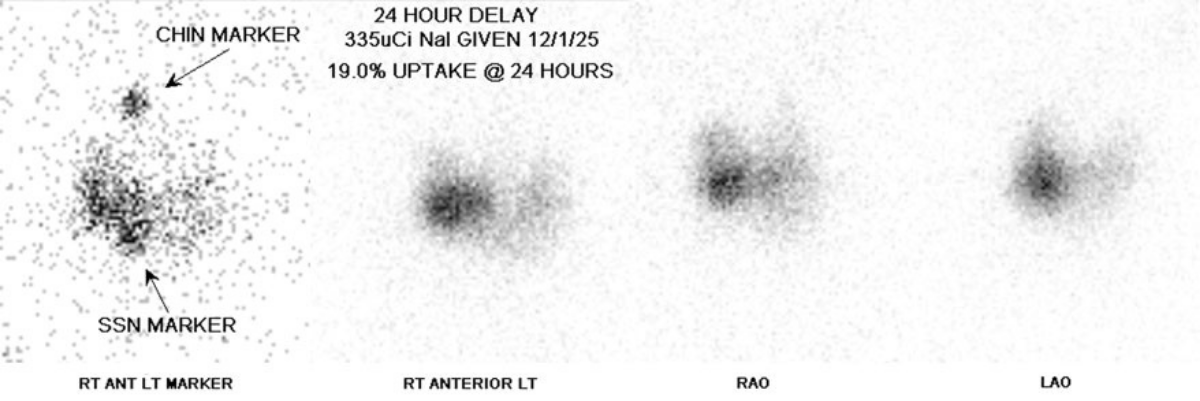
Hot Thyroid Nodule

In this study, we see focal nodular uptake to the right thyroid gland with suppression of the remaining glandular tissue. Uptake at 24 hours is within normal limits.

Focal nodular uptake to the thyroid gland showing it's deviation from normal.Shared to improve patient safety and healthcare delivery in the provision of radiology services. The circumstances and facts are changed, altered, or deidentified to preserve confidentiality. Privileges have not been waived.

Practical Insights duplicate icon

    • Nodules demonstrating focal uptake are overwhelmingly benign.

    • Uptake of I-123 indicates that the nodule is functional and can produce thyroid hormones.

    • Hot nodules are symptomatic in a subset of patients that have biochemical thyrotoxicosis.

    • Symptomatic, hyperfunctioning thyroid nodules can be treated with I-131 therapy.


Bell iconHot nodules are non-malignant and can sometimes be symptomatic.

The NMMI Radiology National Subspecialty Division (NSD) is part of RP’s Clinical Value Team, whichworks to elevate patient care and enhance value through innovation, collaboration and education. To advance this goal, our radiologists and advanced practice providers are committed to sharing peer learning as valuable reminders and insights about what we encounter in our day-to-day practiceCheck back here and on XLinkedIn and Instagram to see these common cases and our findings.

Visit the Clinical Resources page for more cases and to see what we’ve developed to enhance best practice recommendations, elevate image quality and patient care and update current standards throughout RP’s network of practices, all to deliver excellent radiology services to patients, referring clinicians and client partners.

Radiology Partners, through its owned and affiliated practices, is a leading physician-led and physician-owned technology-enabled radiology practice in the U.S. For the latest news from RP, follow us on XLinkedInInstagramYouTube and the blog.


Rad to Rad Learning: Portal Vein Thrombosis

The Radiology Partners (RP) National Quality and Safety Committee presents our newest Rad to Rad Learning case.


Peer Learning Opportunitymegaphone icon

This condition will typically present with vague abdominal pain and can result in bowel ischemia, depending on extent of mesenteric vein involvement.

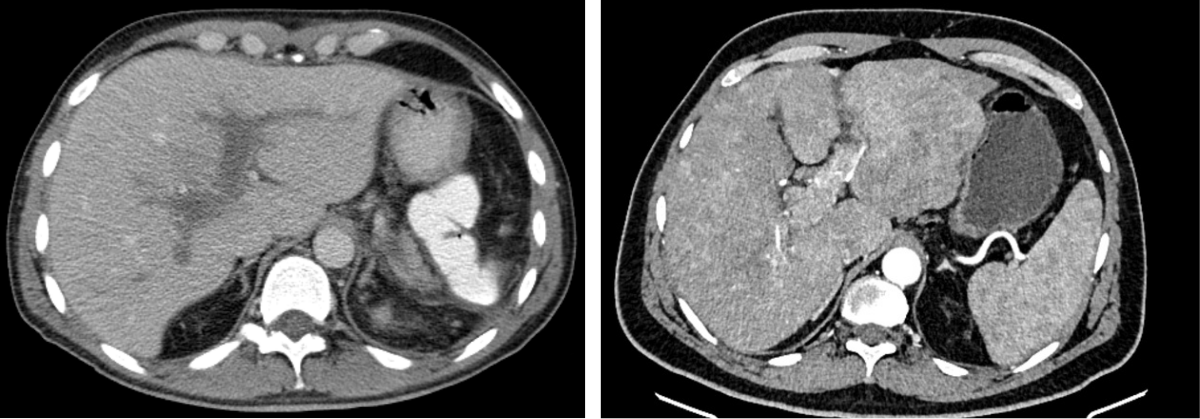
Portal Vein Thrombosis

Left: Bland portal vein thrombus in a non-cirrhotic patient
Right: Tumor thrombus in a patient with infiltrative hepatocellular carcinoma.

side by side MRI comparison showing portal vein thrombosisShared to improve patient safety and healthcare delivery in the provision of radiology services. The circumstances and facts are changed, altered, or deidentified to preserve confidentiality. Privileges have not been waived.

Practical Insights duplicate icon

    • Most commonly seen in the setting of cirrhosis/portal hypertension resulting in slow flow. Also can be seem in hypercoagulable state.

    • Any enhancement of the thrombus should be a clue to underlying HCC.

    • In the chronic setting, can present as cavernous transformation with multiple serpiginous vessels feeding into both left and right portal vein branches.


Bell iconVital to distinguish bland thrombus from tumor thrombus, which precludes possibility of liver transplant.

The RP National Quality and Safety Committee is part of RP’s Clinical Value Team, whichworks to elevate patient care and enhance value through innovation, collaboration and education. To advance this goal, our radiologists and advanced practice providers are committed to sharing peer learning as valuable reminders and insights about what we encounter in our day-to-day practiceCheck back here and on XLinkedIn and Instagram to see these common cases and our findings.

Visit the Clinical Resources page for more cases and to see what we’ve developed to enhance best practice recommendations, elevate image quality and patient care and update current standards throughout RP’s network of practices, all to deliver excellent radiology services to patients, referring clinicians and client partners.

Radiology Partners, through its owned and affiliated practices, is a leading physician-led and physician-owned technology-enabled radiology practice in the U.S. For the latest news from RP, follow us on XLinkedInInstagramYouTube and the blog.


Rad to Rad Learning: Wernicke Encephalopathy

The Radiology Partners (RP) Neuroradiology National Subspecialty Division (NSD) presents our newest Rad to Rad Learning case.


Peer Learning Opportunitymegaphone icon

Up to 80% of patients with this condition suffer severe memory loss (Korsakoff syndrome) and it has a 10-20% mortality rate if untreated.

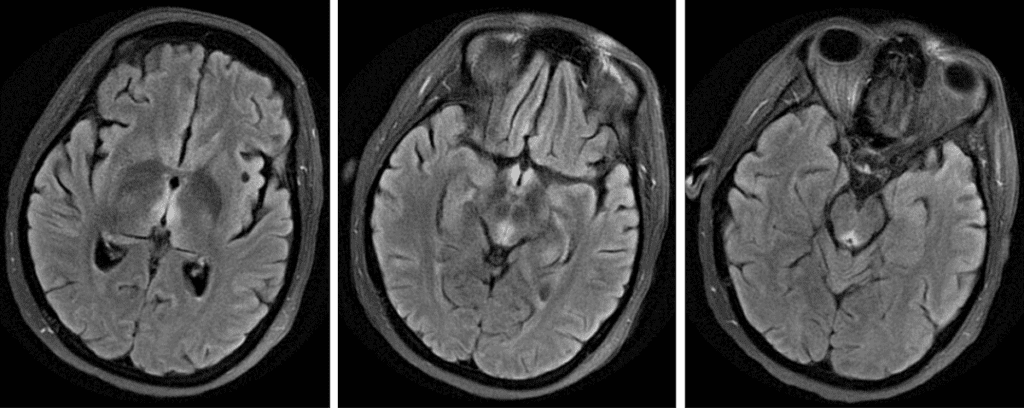
Wernicke Encephalopathy

Look for symmetric T2 hyperintensity in the medial thalami, hypothalami, mammilary bodies, and periaqueductal grey matter.

MRI scan showing 3 different views of a patient's brain.Shared to improve patient safety and healthcare delivery in the provision of radiology services. The circumstances and facts are changed, altered, or deidentified to preserve confidentiality. Privileges have not been waived.

Practical Insights duplicate icon

    • The classic triad of ataxia, oculomotor abnormalities and confusion is present in the majority of patients.

    • Over 20% of thiamine deficiencies occur in nonalcoholics with malnutrition, malabsorption, prolonged vomiting, cancer, or AIDS.

    • MRI is normal in 40% of cases.

    • Thiamine supplementation is a cheap and effective treatment.


Bell iconClassic imaging appearance should trigger thiamine supplementation due to low-risk and high clinical impact.

The Neuroradiology National Subspecialty Division (NSD) is part of RP’s Clinical Value Team, whichworks to elevate patient care and enhance value through innovation, collaboration and education. To advance this goal, our radiologists and advanced practice providers are committed to sharing peer learning as valuable reminders and insights about what we encounter in our day-to-day practiceCheck back here and on XLinkedIn and Instagram to see these common cases and our findings.

Visit the Clinical Resources page for more cases and to see what we’ve developed to enhance best practice recommendations, elevate image quality and patient care and update current standards throughout RP’s network of practices, all to deliver excellent radiology services to patients, referring clinicians and client partners.

Radiology Partners, through its owned and affiliated practices, is a leading physician-led and physician-owned technology-enabled radiology practice in the U.S. For the latest news from RP, follow us on XLinkedInInstagramYouTube and the blog.


Rad to Rad Learning: Solid Pulmonary Nodules on FDG PET/CT

The Radiology Partners (RP) NMMI Radiology National Subspecialty Division (NSD) presents our newest Rad to Rad Learning case.


Peer Learning Opportunitymegaphone icon

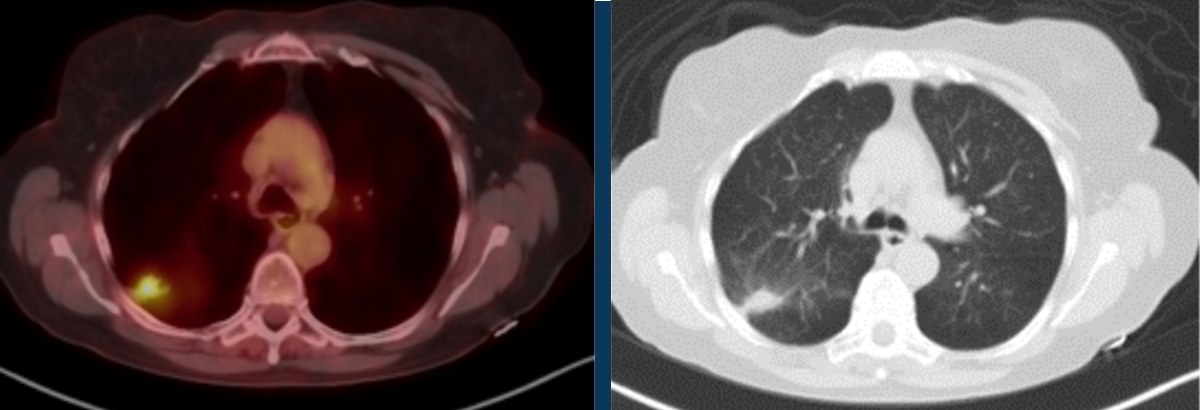
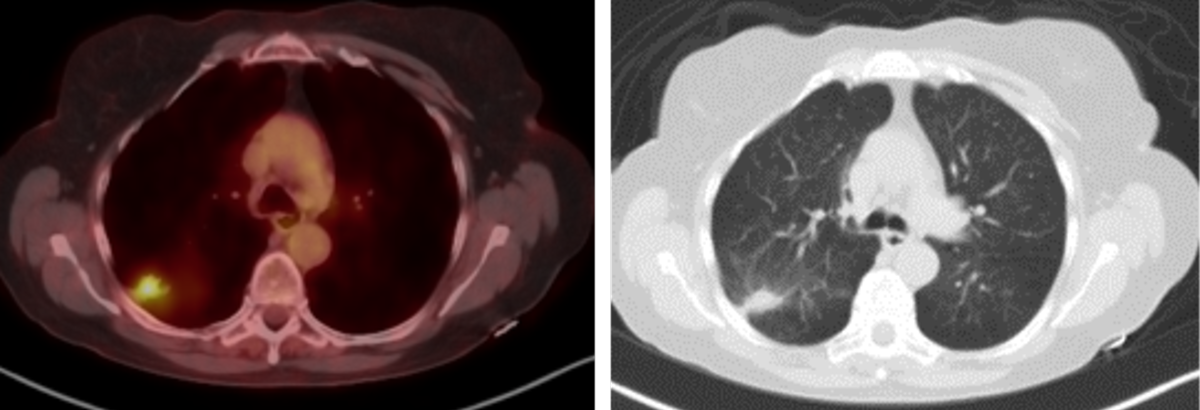
Low-level FDG uptake in a solid pulmonary nodule does not exclude malignancy.

Solid Pulmonary Nodules on FDG PET/CT

2018 study – Below threshold SUV. SUV max 2.2

Low-level FDG uptake in a solid pulmonary nodule does not exclude malignancy. 2018 study - “below threshold SUV”

2020 study – Biopsy-proven adenocarcinoma. SUV max 5.4

2020 study- Biopsy-proved adenocarcinoma. SUV Max 5.4Shared to improve patient safety and healthcare delivery in the provision of radiology services. The circumstances and facts are changed, altered, or deidentified to preserve confidentiality. Privileges have not been waived.


Practical Insights duplicate icon

    • Historically, SUV > 2.5 has been shown to have higher positive predictive value for malignancy.

    • However, SUV <2.5 is not definitively benign.

    • Nodule morphology and change over time are as important as SUV.

    • If low FDG activity, recommend follow-up CT as a minimum


Bell iconNo SUV threshold reliably differentiates malignant from benign solid nodules.

The NMMI Radiology National Subspecialty Division (NSD) is part of RP’s Clinical Value Team, whichworks to elevate patient care and enhance value through innovation, collaboration and education. To advance this goal, our radiologists and advanced practice providers are committed to sharing peer learning as valuable reminders and insights about what we encounter in our day-to-day practiceCheck back here and on XLinkedIn and Instagram to see these common cases and our findings.

Visit the Clinical Resources page for more cases and to see what we’ve developed to enhance best practice recommendations, elevate image quality and patient care and update current standards throughout RP’s network of practices, all to deliver excellent radiology services to patients, referring clinicians and client partners.

Radiology Partners, through its owned and affiliated practices, is a leading physician-led and physician-owned technology-enabled radiology practice in the U.S. For the latest news from RP, follow us on XLinkedInInstagramYouTube and the blog.