Why RP? Q&A with Dr. Jessica Behringer

Why RP? A Q&A with Dr. Jessica Behringer, Neuroradiologist
Dr. Behringer shares how RP offers technological and staff support, as well as schedule flexibility, that allows her to spend more time focusing on patient care and enjoying work-life balance.

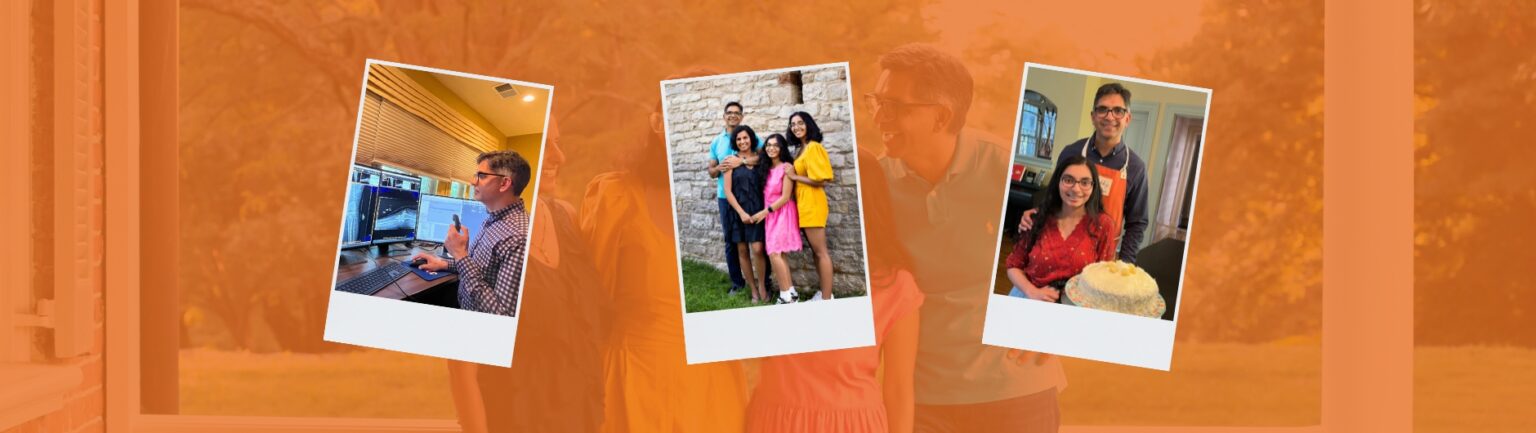
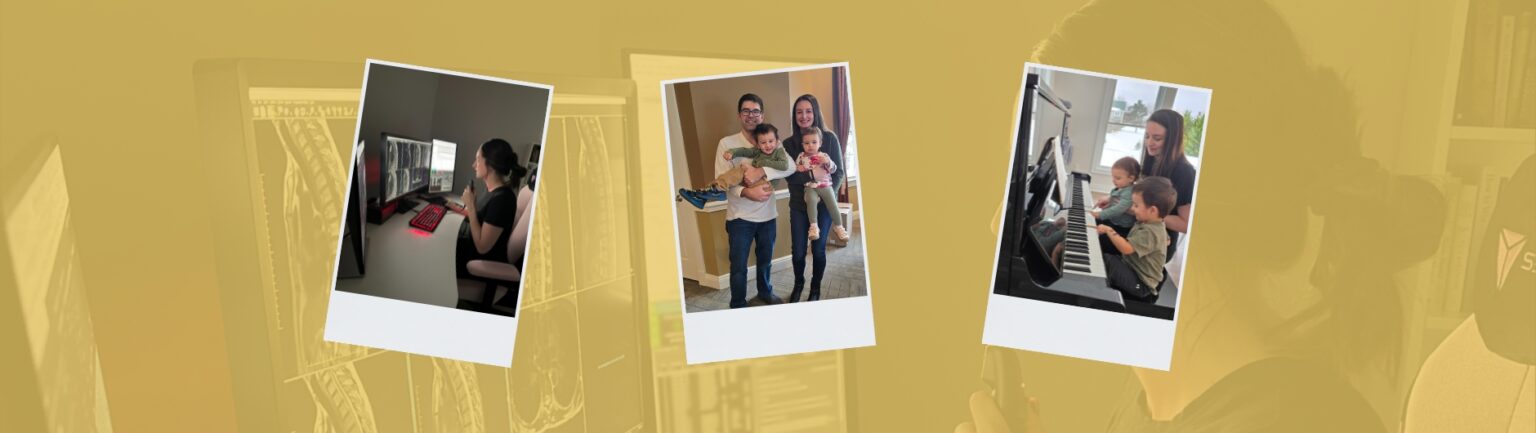
Dr. Jessica Behringer is a neuroradiologist living in Buffalo, N.Y., who reads remotely for hospitals in Florida. Outside of work, she enjoys spending time with her husband and two young children (ages 1 and 3), traveling, trying new restaurants and playing video games. She joined RP in 2023.

We talked to Dr. Behringer about how she connected with RP during residency and ultimately decided to pursue a full-time career in neuroradiology with RP.

Tell us about why you chose radiology. What inspired you to become a radiologist?

Originally, I did not even have radiology on my radar as a third-year medical student. However, I did an elective interventional radiology rotation at a rural hospital in western New York. The rotation was so fun, and the radiologist was a great teacher. His excitement about pathology and anatomy, as well as his passion for caring about each of his patients, inspired me to join the field.

What drew you to neuroradiology?

I found the anatomy and pathology of neuro cases to be challenging and interesting. I wanted to get more experience in that field and have the ability to collaborate with other neuroradiologists on interesting cases. I was once given this advice: choose a fellowship that you find interesting, difficult, or both. Neuroradiology fell into the “both” category for me.

How did you connect with RP?

I originally learned about RP when I was on the interview trail for radiology residency, and I ended up matching with a program at Franciscan Health Olympia Fields, just south of Chicago. That residency program partners with an RP practice. It was a great opportunity for me to be able to experience an RP team while I was still in training and utilize a lot of the tools typically reserved for an attending RP radiologist. After training, those original RP connections helped me to secure my current job.

What excites you about RP? What is most fulfilling about working as a radiologist for RP?

The best part of RP is the people, as corny as it sounds. Even though I am remote, I enjoy collaborating and interacting with my colleagues on a daily basis. It makes the workday much easier when you enjoy the people you interact with. Our support staff helps us bridge the communication gap with technologists and referring clinicians. They are always helpful and friendly. Finally, I can count on my practice directors to promptly answer my concerns and offer flexibility when the need arises. I have two young kids, and I am grateful for the flexibility and support offered by my local practice. With so many radiologists in different subspecialties at my local practice, I’m able to focus on neuroradiology, and if needed, I have a lot of support to back me up.

What are some of the unique features that RP offers that are hard to find elsewhere?

RP provides great support to the radiologist. I can spend much more of my time focusing on patient care and doing a quality job evaluating cases because RP staff is working in the background to help connect me to referring clinicians or following up on incomplete studies. This provides a lot more time for the radiologist to focus on image interpretation.

How has your opinion of RP changed before joining the practice versus being a radiologist at RP?

Since I had the unique position of training with an RP practice, my opinion of RP has always been positive. I have also learned that each RP team is unique after experiencing multiple practices during my training and in my job search.

How has the field of radiology evolved since you first started your career and what does the future of radiology look like to you? How will RP contribute to that?

I’ve only been in practice for two years; however, since I started training, radiology has already changed in many ways. For instance, volumes are steadily increasing, which means radiologists spend less time per study than ever before. Another change to help combat this is the use of AI in radiology imaging and reporting. Since I’ve started at my current RP practice, we have been using AI to help identify brain bleeds, large cerebral vessel occlusions, cervical spine fractures, pulmonary emboli and rib fractures. We have also implemented AI tools that assist the radiologist by creating impressions or recommending the best follow-up for incidental findings. All of these tools are to help the radiologist in their workflow and identify the critical findings. I think RP is ahead of the curve in terms of radiologist utilization of AI.

Dr. Jessica Behringer earned her medical degree from Lake Erie College of Osteopathic Medicine in Greensburg, Pennsylvania; completed her residency at Franciscan Health Olympia Fields in Olympia Fields, Illinois; and completed her fellowship in neuroradiology at Yale New Haven Hospital in New Haven, Connecticut.

Radiology Partners, through its owned and affiliated practices, is a leading physician-led and physician-owned radiology practice in the U.S. Learn more about our mission, values and practice principles at RadPartners.com. For the latest news from RP, follow along on our blog and on XLinkedInInstagram and YouTube. Interested in learning about career opportunities? Visit our careers page.
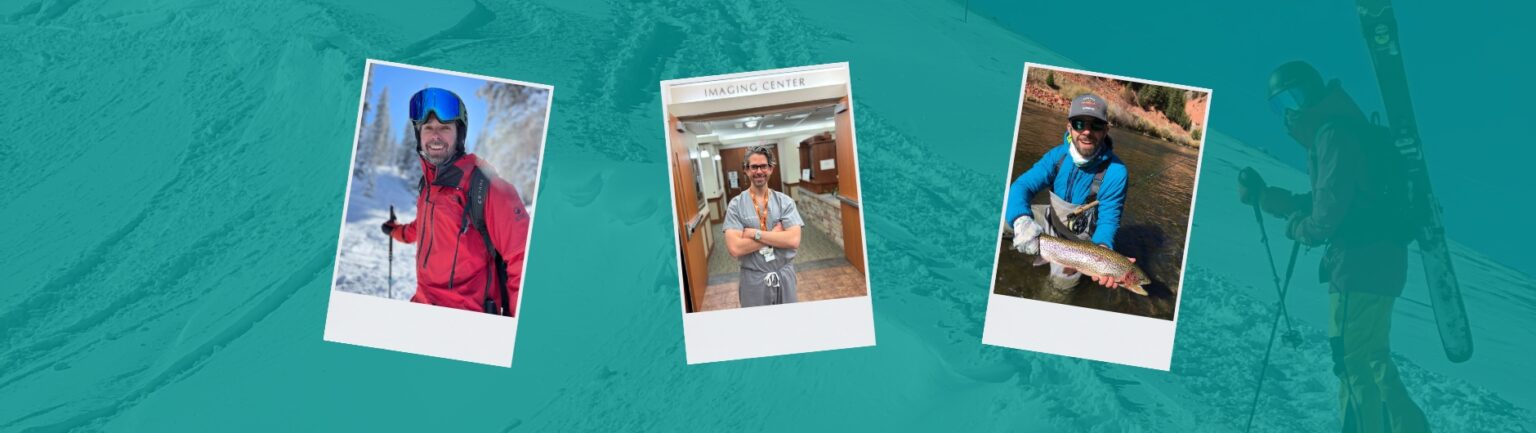

Why RP? Q&A: Dr. William Weathers

Why RP? A Q&A with Dr. William Weathers, Musculoskeletal Radiologist

Dr. Weathers discusses his practice’s pivotal partnership with RP and how his team enjoys a small practice environment backed by national resources.  

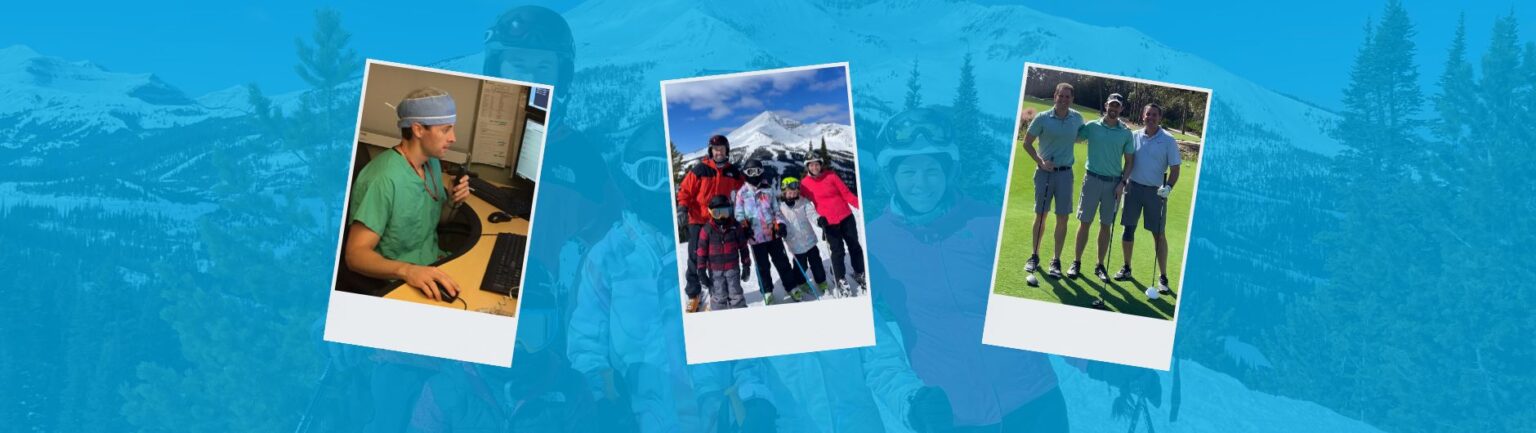
Dr. William Weathers is a practicing musculoskeletal (MSK) radiologist and president of Mountain Radiology in Glenwood Springs, Colorado. Additionally, he serves on the Radiology Partners (RP) physician support board for advocacy. Outside of radiology, he enjoys hitting the slopes, hiking trails, fly fishing and golfing. He also treasures family time and being outside on his property for frequent visits from area wildlife. 

We talked to Dr. Weathers to learn more about his journey into radiology and why his practice joined RP. 

Tell us why you got into radiology.

Initially, I wanted to become a surgeon, following in the footsteps of my grandfather and great-grandfather. However, while considering a career in plastic surgery, conversations with my wife’s friends who were pursuing residencies in radiology shifted my perspective. They highlighted the multifaceted nature of radiology, which intrigued me due to its diverse opportunities, from performing procedures to directly engaging with patients. Radiology stood out to me because of its versatility in patient care. During hands-on rotations in radiology, particularly interventional radiology, I discovered a unique blend of imaging and procedures that resonated with me. Radiology offers active involvement in every patient’s care at the hospital and interactions with physicians across all specialties.

Why did you choose MSK?

My interest in this specialty stemmed from my passion for sports. During residency, I noticed a gap in my training in this area and saw an opportunity to fill it. As I began rotations in MSK imaging, I found it incredibly fulfilling. Working closely with orthopedic surgeons who play a vital role in patient care was very rewarding. The impact on patient outcomes and the collaborative nature of the work with top-tier specialists made it a natural fit for me.

What motivated your decision to relocate to Colorado and join Mountain Radiology?

We moved to Colorado more than five years ago from Houston, where I began my private practice. Despite being from Houston, I’ve always been drawn to the mountains, having grown up skiing near Aspen. One of the great things about being a physician is you can live and work anywhere you want. You’re not geographically tied. I remember my wife and I were on a ski trip in Colorado during the second year of my radiology residency. I visited a local hospital and met with radiologists there, which really sparked my interest. After a year in private practice and in alignment with my wife’s career as an OBGYN, we decided to make the move. It’s been a decision we’ve never regretted. It’s one of the most idyllic places to work and raise our two kids.

Tell us about your practice.

Mountain Radiology has been around for more than 40 years. Our small practice is unique as we embrace the opportunity for radiologists to maintain and enhance their generalist skills while specializing in their preferred areas. We understand the importance of ongoing training and support, offering guidance to address any concerns about unfamiliar procedures. Being a subspecialized generalist strengthens one’s skill set and fosters a deeper understanding of the complexities within different modalities. This approach empowers our radiologists to excel in diverse scenarios, contributing to a sense of resilience and confidence in their abilities. The experience of being immersed in a wide range of cases has been transformational in strengthening my capabilities and encouraging adaptability and resilience, two invaluable assets in our practice that ensure our radiologists can navigate any situation with proficiency and expertise.

How did the partnership between Mountain Radiology and RP come about?

In early 2020, we engaged in discussions with RP. These talks coincided with the onset of the COVID-19 pandemic. Intrigued by RP’s proposition, we conducted a thorough evaluation process while RP assessed our practice. Amidst economic uncertainties and a significant decline in imaging volume, sustaining our practice proved challenging, with a nearly 70% drop in volume for several months. We were treading water, trying to do what we could to keep the practice alive. Despite these obstacles, as the world began to reopen, we witnessed a resurgence in imaging volume and continued our dialogue with RP, who remained supportive throughout.

In September 2020, we officially became part of RP. Our decision was driven by recognizing the benefits of joining a larger practice while retaining our independence, with RP uniquely fitting these criteria. The partnership was guided by understanding industry trends, including consolidation and regulatory shifts, which made managing as a small practice increasingly difficult. RP’s commitment to integrated IT solutions, evident in the enhanced workflows offered through unified PACS systems, reinforced our decision. Despite the challenges posed by the COVID-19 pandemic, RP’s support during negotiations and integration marked a significant milestone for our practice. September 2020 marked the beginning of a new chapter for Mountain Radiology within RP, signaling our commitment to adapting to evolving industry landscapes while enhancing patient care.

How have you balanced your preference for a smaller practice environment while being a part of a larger practice like RP?

Since joining RP, our practice has successfully maintained its unique identity while benefiting from the support of a larger practice. Initially, we were apprehensive about how our culture would adjust within RP, but RP’s commitment to local leadership has proven true, easing our initial concerns. We’re still Mountain Radiology and our culture remains intact. Contrary to misconceptions, being part of this larger practice has empowered us. RP has provided the tools and support necessary to thrive. Engaging with RP has felt like having a supportive big brother; they offer valuable suggestions rather than imposing directives. The IT infrastructure enhancements streamline our workflow and enhance patient care, aligning perfectly with our practice’s values. In particular, the instant functionality of technologies like Rad AI has been remarkable, seamlessly integrating into our workflow without any significant learning curve. RP has empowered us to navigate challenges such as hiring difficulties and has significantly improved our ability to deliver exceptional patient care. By leveraging their resources while preserving our unique culture, RP has proven to be a valuable partner.

As a member of RP’s advocacy physician support board, how will RP help shape the future of radiology?

Radiology Partners is transforming radiology. With their leadership, investments and commitment to improving radiologists’ lives, we’re witnessing continuous advancements to alleviate burnout and enhance practice efficiency. RP’s advocacy efforts play a crucial role in addressing industry challenges such as declining reimbursement rates and regulatory changes like the No Surprises Act. Led by Dr. Rich Heller, pediatric radiologist and associate chief medical officer (ACMO) for health policy and communications, RP’s advocacy arm ensures that radiologists’ voices are heard at the legislative level, benefiting the entire radiology community, not just RP. This proactive approach demonstrates RP’s dedication to driving positive change within the field, making a lasting impact on radiology practices across the country.

What excites you most about being a part of RP?

Integrating RP’s IT solutions has been pivotal for our practice’s resilience. When faced with the departure of a partner, our small practice was at risk, but RP’s support and technology prevented collapse. Through RP’s IT infrastructure, we’ve navigated hiring challenges and significantly enhanced our workflow, nearly doubling our workload capacity. RP’s forward-thinking approach ensures we stay ahead in meeting industry challenges.

Additionally, there is incredible support and collaboration among local practices affiliated with RP. Attending the in-person meetings has always been a valuable experience for me. It’s reassuring to meet the diverse talent within our organization, which reinforces my confidence in our collective future. Being part of RP means having access to a wealth of expertise and support, which empowers us to tackle challenges effectively and move forward confidently.

Dr. William Weathers earned his medical degree from the University of Texas Southwestern Medical School and completed his residency and fellowship in diagnostic radiology at the University of Texas MD Anderson Cancer Center. Additionally, he completed a mini-fellowship in breast imaging at MD Anderson Cancer Center and furthered his expertise with a one-year fellowship in MSK at UT Orthopedics at Ironman Sports Medicine Institute Texas Medical Center, focusing primarily on sports injury and trauma. 

Radiology Partners, through its owned and affiliated practices, is a leading physician-led and physician-owned radiology practice in the U.S. Learn more about our mission, values and practice principles at RadPartners.com. For the latest news from RP, follow along on our blog and on XLinkedInInstagram and YouTube. Interested in learning about career opportunities? Visit our careers page.


Dr. Nathan Durick

Why RP? A Q&A with Dr. Nathan Durick, Diagnostic Radiologist

Dr. Durick shares how RP connects patients in rural communities to high-quality radiology care.

Dr. Nathan Durick is a practicing diagnostic radiologist and president of Advanced Radiology (ARSC) in Moline, Illinois. Outside of his professional commitments, he is a devoted father to three teenage daughters and enjoys spending time with them boating and waterskiing at their family cabin. He also indulges in his passion—and occasional bad habit—of golf.

 We talked to Dr. Durick about his career and how RP offers radiology services to smaller communities lacking access to specialized care.

What inspired you to become a radiologist?

I grew up in a small town, Genesee, Illinois, idolizing my primary care doctors. Initially, I aspired to be a family practitioner or pediatrician. However, during my second year of medical school, I sought a broader scope of medicine that would allow me to collaborate with specialists across various fields. Radiology emerged as the perfect fit. Despite moving away from family practice, I regularly visit Genesee, maintaining connections with the primary care physicians who inspired my journey—a fulfilling, full-circle experience.

Why did you choose body imaging as your specialty?

While training at the University of Wisconsin-Madison, I had the opportunity to rotate through various specialties. Among those specialties, I found a connection with body imaging. Two of my mentors came from this department and witnessing their approach to medicine, dedication to radiology and collaboration with other specialists inspired me to follow in their footsteps.

How did you connect to RP?

My practice connected with RP a few years ago. As an independent local practice in the critical-access areas of our community in the Midwest, we were experiencing significant growth challenges. We reached a point where we didn’t know how to support that growth on the technology side. Despite having our own IT and PACs company, we seemed to have outstripped our resources. Recognizing the need for technology support to sustain our growth, we started looking for partners who could align with our vision. We connected with RP, initially for IT and PACs support, but soon realized RP offered much more behind the scenes, especially concerning patient care.

What excites you about RP?

My excitement about RP stems from more than just the IT side. Our leadership, teammates, values and commitment to patient care make RP a valuable partner in a care delivery system. RP allows our practice to extend high-quality radiology services to smaller communities lacking access to subspecialists or advanced radiology. Caring for these communities, whether in hospitals or outpatient settings, is a daily driving force for me. Having grown up in a small town with a critical-access hospital, the significance of delivering high-level radiology subspecialized care to such communities remains a key motivation.

What does the future of radiology look like to you and how will RP contribute to that?

RP plays a pivotal role in shaping the future of radiology by addressing the growing imaging volume and challenges in delivering care to smaller communities. The technology RP provides connects subspecialty radiologists across the country, benefiting areas where specialists are scarce. The transformative use of AI ensures prompt care for those in urgent need, efficiently handling overwhelming case volumes and facilitating essential procedures without transferring patients to higher levels of care.

Beyond technology, RP contributes significantly to leadership development within the practice. Fostering collaboration among practice presidents across the country provides a platform for sharing ideas and addressing everyday challenges. This collaborative approach is a valuable resource for solving issues and advancing the field. RP excels in identifying and nurturing individuals with the potential to contribute at higher levels, benefiting both the practice and radiology.

Despite uncertainties in the broader healthcare landscape, RP’s focus on recruitment and innovative practices positions it as a key player in reshaping the trajectory of medicine. It impacts radiology and elevates the overall standard of care.

Dr. Nathan Durick earned his medical degree from the University of Illinois, Chicago; completed his residency in diagnostic radiology at the University of Wisconsin-Madison; and completed his fellowship in body imaging at the University of Wisconsin-Madison.

Radiology Partners, through its owned and affiliated practices, is a leading physician-led and physician-owned radiology practice in the U.S. Learn more about our mission, values and practice principles at RadPartners.com. For the latest news from RP, follow along on our blog and on XLinkedInInstagram and YouTube. Interested in learning about career opportunities? Visit our careers page.


Why RP? Q&A with Dr. Tony Toppins

Why RP? A Q&A with Dr. Anthony Toppins, Musculoskeletal Radiologist 

Dr. Toppins shares his journey to MSK and RP and the bright future of radiology as an integral part of patient care.

Dr. Anthony Toppins is a musculoskeletal radiologist (MSK) in Dallas, Texas, where he serves as practice president of Radiology Partners Eagle. Outside of work, Dr. Toppins loves spending time with his wife, three children, their spouses and pets. He enjoys wake surfing, Sea-Doos, fishing and weekends at their family farm in rural East Texas.

We talked to Dr. Toppins to learn more about his career in radiology and why he joined RP.

Tell us about why you got into radiology.

I discovered my passion for radiology during my rotation in my third year of medical school. Initially, I had no idea what radiology was, but I was drawn to its intersection of technology, photography and medicine. This was a pivotal moment for me. I recognized the prospect of combining my interests with the significant role radiology plays in caring for nearly every patient, which solidified my decision to pursue a career in radiology.

Why did you choose MSK?

During one of my earlier rotations at a private community hospital, I had the privilege of working with a highly versatile general radiologist who shared valuable insights on diagnostic procedures, explaining the rationale behind specific tests, the selection of different imaging modalities (such as CT or MRI) and the considerations in opting for plain film versus ultrasound. Despite not being at a teaching hospital, his selfless commitment to educating a medical student in his personal time profoundly impacted me. At that time, I also encountered an interventional radiologist who demonstrated his subspecialty’s hands-on, patient-centric approach.

Observing this contrast early on helped me appreciate the diversity within radiology. While initially leaning towards interventional due to a preference for patient interaction, I eventually found my niche in MSK. With its minor procedural aspect, MSK allowed me to engage with patients directly and perform treatments alongside diagnostic work. My early exposure to the spectrum of radiology subspecialties was pivotal in shaping my career path and instilled a passion for MSK.

How did you connect with RP?

I had recently transitioned from a previous role at Baylor in Dallas to join Dr. Byron Christie at Eagle Imaging when I met RP co-founders Rich Whitney, chairman and CEO, and Dr. Anthony Gabriel, president, through a mutual friend during the 2012 RSNA event. At that time, one radiologist was partnering with them, Dr. Nina Kottler. The concept they introduced, focusing on enhancing and revolutionizing radiology and their methodology in clinical medicine – scaling it, improving quality and implementing quality metrics – captivated me. In particular, I found inspiration in how they drew from concepts in nephrology dialysis. The alignment of our visions and personal rapport led to the decision for Eagle to become the first practice to officially partner with RP in July 2013, marking the beginning of a collaborative journey.

What excites you about RP?

Some of the same things that excited me when I started my journey with RP still excite me today. Rich often uses a mountain analogy, illustrating RP’s growth as ascending peaks, which resonates with me. A decade ago, we began at the mountain’s base, and now, standing atop one peak, we realize taller peaks lie ahead. With radiology’s changing landscape, RP is transitioning from rapid growth to focusing on clinical excellence and innovation.

As we adapt to the evolving terrain, I see opportunities for enhanced integration. Embracing our latest tech stack, RP Cloud Enterprise, our practice incorporated AI tools Aidoc and Rad AI, helping streamline our processes, automate impressions, and boost our capabilities. RP’s unique position, grounded in scale and a robust IT platform, enables us to balance staffing with workflow demands and overcome hiring challenges. Radiologists across the country are facing increasing fatigue due to rising case volumes, and RP’s commitment to minimizing fatigue underscores our dedication to radiologists’ well-being.

Lastly, I’m thrilled with the quality of RP’s radiologists and support teammates, coupled with a strong board and executive team, positioning us for the future. Amid challenging reimbursement dynamics, I’m pleased with RP’s efforts to mitigate downward pressures, address issues and instigate positive change.

What does the future of radiology look like to you and how will RP contribute to that?

The future of radiology is extremely promising. I actively encourage aspiring medical professionals to consider radiology as a rewarding career, citing its favorable combination of quality of life and income. Despite initial concerns about the field’s viability, particularly with the rise of primary care, those predictions have proven unfounded, and radiology has flourished.

Similar concerns about AI replacing radiologists are emerging, but I firmly believe AI will enhance rather than replace radiologists. I envision a collaborative future where AI serves as a valuable tool, working alongside radiologists to enhance detection, improve clinical quality and address the escalating workload. While AI can offer a preliminary analysis, the critical role of radiologists in quality control remains indispensable. Technological advancements in our technology stack and AI capabilities contribute to this optimistic outlook. Further enhancements, such as improved voice-to-text functionality, are potential growth areas to reduce fatigue and enhance report generation efficiency. The evolving landscape, exemplified by innovations like Aidoc and Rad AI, reinforces my confidence in the field’s future.

The demand for radiology continues to rise, with no signs of diminishing importance in patient care. Radiology’s role remains integral, and I foresee its significance increasing rather than waning in the broader medical process. The future of radiology is bright, resilient and poised for continued relevance in the evolving healthcare landscape.

Dr. Tony Toppins earned his medical degree from the University of Oklahoma College of Medicine; completed his residency in diagnostic radiology at Baylor University Medical Center in Dallas, TX and completed his fellowship in MSK at University of California San Diego.

Radiology Partners, through its owned and affiliated practices, is a leading physician-led and physician-owned radiology practice in the U.S. Learn more about our mission, values and practice principles at RadPartners.com. For the latest news from RP, follow along on our blog and on TwitterLinkedInInstagram and YouTube. Interested in learning about career opportunities? Visit our careers page.


Why RP? Q&A with Dr. Meghan Woughter

Why RP? A Q&A with Dr. Meghan Woughter, Breast Radiologist

Dr. Woughter shares how RP provides opportunities for growth, leadership development and collaboration, while maintaining a healthy work-life balance.

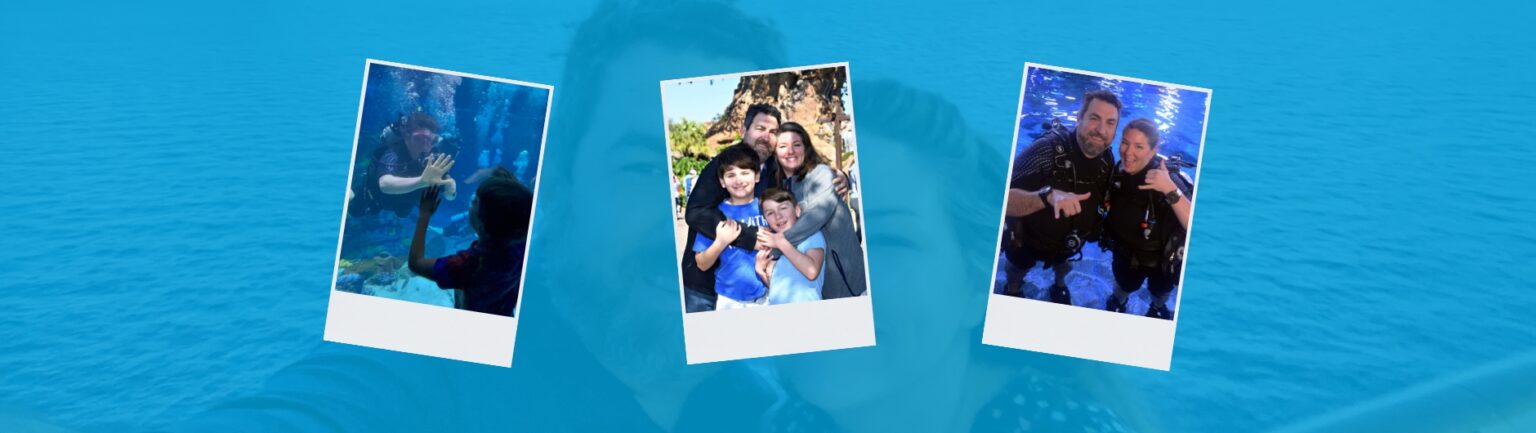
Dr. Meghan Woughter is a breast radiologist in Houston, Texas. She is a member of the Society of Breast Imaging and the Radiological Society of North America. Outside of work, she enjoys spending time with her husband and two young sons. Her family enjoys traveling and taking annual trips to Disney, and she and her husband recently were scuba-certified and have gone on several dives together. She joined RP in 2020.

We talked to Dr. Woughter to learn more about her radiology career and why RP is the right fit for her.

Tell us about why you got into radiology.

For me, it was kind of a slow process through medical school, figuring out what I liked and what I didn’t like. I think it started in anatomy lab, just seeing the correlation between the radiographs and imaging and some of the real-life cadavers – the different things we were learning about anatomy. I realized in radiology, I would touch every facet of medicine and take part in the diagnosis and treatment of all kinds of different patients if I wanted to. That really appealed to me.

Why did you pursue breast imaging as a subspecialty?

There were a lot of people along the way who shaped my decision-making. Most recently, when I decided to go into breast imaging, I had the fortune to train under Dr. Deborah Monticello at Texas A&M, who was instrumental in my understanding of breast imaging and showed me what an excellent physician and caregiver looked like. For me, breast imaging is a combination of multiple aspects I really like, including focusing predominantly on women’s health coupled with the actual clinical work. Every single day at work, I see patients in clinic, do biopsies in real-time and take care of them, in addition to doing all the imaging.

How did you connect with RP?

It was kind of unexpected. I finished breast fellowship in June 2020 in a very uncertain time in the pandemic, especially for breast imaging. A lot of breast centers had closed, and it was a scary time all around. I actually had a job lined up for a while, even before fellowship. It was up north (I’m from Texas), far from home and family, but at the time we thought, “No big deal. Three-hour plane ride, three-hour car ride; what’s the difference?” And then, of course, the pandemic hit, which really changed our perspective – we wanted to be close to family. In April 2020, when all the breast centers were closed, I decided to look for a new job where I was doing my fellowship in Dallas. I reached out to local contacts and was connected with an RP recruiter who asked, “Have you ever thought about Houston? Would you be willing to go there?” It was a whirlwind and totally meant to be, because within a week of talking to the recruiter, then talking to our practice president Dr. Khanh Huynh and doing virtual interviews, I was signing a contract and coming to Houston. It was great, and it has worked out better than I could have ever imagined.

What are some of the unique features that RP offers that are hard to find elsewhere?

Everything at RP is very practice-dependent, which is one of the things I like, because we’re all unique in our individual local practices and how we operate in our local practice’s culture. The culture of my practice is amazing, and the people I work with are amazing, so I have nothing but good things to say about my group. Since joining RP, one of the things I’ve seen is the ability to collaborate with other practices. There are several RP practices in Houston, and previously, our practice was in a position where we could help another local practice with radiology coverage. It was seamless because we’re all working under RP; we’re different groups, but we could come together like that, and I think that is a really nice example of the benefits of RP.

When I first started at RP, one thing that stands out is the leadership development opportunities. RP will connect new physicians with a mentor or encourage you to serve on some of the different physician support boards. I got involved with the Advocacy Support Board, where we advocate for radiology’s role in the broader U.S. healthcare system. As a relatively new physician coming into practice, this has opened up a great opportunity for me and an experience at my level that wouldn’t have been available to me, but RP really mindfully tries to help develop people in areas where they have an interest. It’s also been amazing to get to work with Dr. Rich Heller, Associate Chief Medical Officer for Health Policy and Communications, who is such a wealth of knowledge. When we gather for meetings, he’s on top of everything new that’s happening in Congress and what bills are passing, which helps everybody stay informed to then pass that information on to our local practices. Having him as a mentor and as someone to watch and learn from has been a really great opportunity. Later this year, we’re planning to visit Washington, D.C., to meet face-to-face with some of these congressional officials and advocate for our specialty.

How has the field of radiology evolved since you first started your career and what does the future of radiology look like to you? How will RP contribute to that?

I haven’t been practicing a long time, but in breast imaging, we’ve seen tomosynthesis (3D mammography) become a standard of care. There’s always new technology on the horizon. What I’m most excited about for the future is AI and what that’s going to look like for how we practice radiology. I foresee it as something that enhances our ability to read studies, care for patients and do things in a timely way. I really look forward to having that as something to build on for the future, and hopefully RP’s size and resources will allow us to utilize that and become early adopters.

You mentioned being excited about the future of AI. In the past, there has been skepticism about the role of AI in healthcare; has there been a recent tangible shift from skepticism to excitement about AI, especially in radiology?

I think there was a pivotal moment for me when I was in training because that fear and that saying, “stop training radiologists” definitely hit home. Later, I went to a conference, and a speaker put up this brilliant meme that said, “It’s not man versus machine; it’s man versus man with machine.” That’s exactly it. It’s not like we’re not sending pilots up because there’s autopilot on the plane; it’s just an enhancement. AI is a way to improve safety and outcomes for patients. I don’t foresee that they’re not going to have a radiologist who ultimately looks out for patients and has clinical judgment. As we’ve seen, people aren’t perfect, and the machines aren’t perfect, but hopefully together we’re going to make something that is safer and more consistent for our patients. I see it doing nothing but hopefully enhancing what we currently do.

As a full-time, busy radiologist and parent, how do you find work-life balance, and how does RP support you in this?

One of the things I loved about breast imaging and one of the things that drew me to it – in addition to everything else – was the fact that it’s clinic hours. I don’t have call, and I don’t work nights or weekends. I’m home with my kids on those days. This is in addition to loving the work, so it’s a win-win for me. Also, I think our local practice values listening to us about our needs. Once it came up there were several of us in the breast section who wanted to work more part-time, and the practice actually rearranged things and hired another rad to make it happen. Some people went to 80%, some went to 90% and some stayed at 100%. That was something that our practice did because that’s what we said we needed so we could have more time and balance.

Dr. Meghan Woughter (Twitter) earned her medical degree from Eastern Virginia Medical School in Norfolk, Va.; completed her residency at Texas A&M Health Science Center College of Medicine/Scott & White Healthcare in Temple, Texas; and completed her fellowship in breast imaging at University of Texas Southwestern in Dallas, Texas.

Radiology Partners, through its owned and affiliated practices, is a leading physician-led and physician-owned radiology practice in the U.S. Learn more about our mission, values and practice principles at RadPartners.com. For the latest news from RP, follow along on our blog and on TwitterLinkedInInstagram and YouTube. Interested in learning about career opportunities? Visit our careers page.


Why RP with Dr. David Feldstein

Why RP? A Q&A with Dr. David Feldstein, Interventional Radiologist

Dr. David Feldstein talks about the benefits of being part of a large practice and how RP is helping shape the future of radiology.

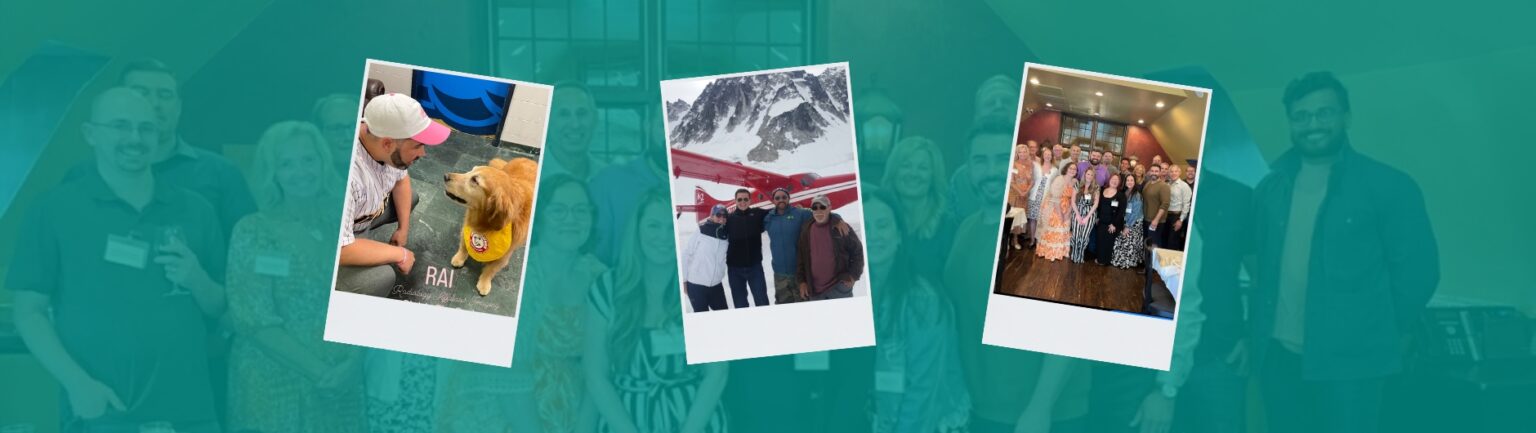
Dr. David Feldstein is an interventional radiologist in Philadelphia/South Jersey, where he serves as practice president, previously section chief of interventional radiology, at Radiology Affiliates Imaging (RAI).

He grew up working at his father’s woodshop during summer breaks, and still loves building, creating and designing furniture in his spare time. He has translated these skills into a passion for medical device design and development. He also enjoys traveling and spending time outdoors with his family, friends and two bulldogs.

We talked to Dr. Feldstein to learn more about the benefits of being part of a large practice and how RP is helping shape the future of radiology.

What inspired you to become a radiologist?

I took a non-traditional approach to radiology. I went to school for biomedical engineering, but I wasn’t heart set on attending medical school at that time. No one in my family is a physician, but my mother is a neonatal intensive care nurse, and she encouraged me to investigate a career in medicine. After completing my bachelor’s and master’s degrees in biomedical engineering, I began working as an advanced-level engineer at Johnson & Johnson, specifically in their cardiac stent division. During my time there, I interacted closely with many interventionalists. After hearing and experiencing second-hand their interactions with patients, I came to the realization that direct patient care was my passion, which ultimately directed my path to medical school.

What drew you to interventional radiology?

I knew I wanted to be procedural-based. I was initially considering interventional cardiology, given my past work experience. However, during medical school, I was exposed to the field of radiology and haven’t looked back since. Interventional radiology allows for cutting-edge, minimally invasive therapies and collaboration with nearly every other specialty in the hospital. We (radiologists) are essentially medical detectives and often the first to see and diagnose disease, which allows for early life-changing invention. This is what set my heart on radiology!

What excites you about RP?

Our group, RAI, joined RP a little more than four years ago. In this landscape, having the strength of a large nationwide practice behind you really makes a difference. I did not truly appreciate this at first, as I’m earlier in my career, but it truly makes a difference. You’re not just limited to your local practice. You have access to key opinion leaders in all specialties, including radiology business and radiology economics. You even have access to leaders advocating for radiology on the Hill in Washington. Whatever interests you, there’s an outlet. If you’re in a smaller private practice group, as we were, you’re very limited to what you have at your fingertips.

What does the future of radiology look like? What are some of RP’s unique features that will contribute to that?

We all know diagnostic studies are being performed faster and study volumes are increasing more than ever before, while at the same time the radiologist workforce is declining. RP is prioritizing innovative ways to allow radiologists to practice at top-performance levels and still focus on clinical work. Burnout is real, and it’s in all specialties, not just radiology. RP is working on solutions to allow us to focus more time on what we were trained to do: read images and perform procedures.

I look at AI technology like smart home technology. There are so many available platforms and so many different companies in the marketplace that it can be very overwhelming to select the proper one. If you are in a smaller to mid-sized radiology practice, you don’t have the luxury to thoroughly evaluate all platforms. You are essentially shooting in the dark, hoping you made the right decision for your practice. Having RP rigorously vet these AI algorithms by running them through tens of thousands of studies allows us radiologists to utilize the most robust AI software package available. I guarantee you won’t find this anywhere else. This is game-changing technology, and I couldn’t be happier to be involved with its growth and development.

Dr. David Feldstein (LinkedIn) earned his medical degree from Drexel University College of Medicine, where he also completed his residency in diagnostic radiology. He completed his fellowship in interventional radiology at Thomas Jefferson University Hospital. He joined RP in 2019.

Radiology Partners, through its owned and affiliated practices, is a leading physician-led and physician-owned radiology practice in the U.S. Learn more about our mission, values and practice principles at RadPartners.com. For the latest news from RP, follow along on our blog and on TwitterLinkedInInstagram and YouTube. Interested in learning about career opportunities? Visit our careers page.


Why RP? Q&A with Dr. Michael Burke

Why RP? A Q&A with Dr. Michael Burke, Musculoskeletal Radiologist

Dr. Burke shares his journey into radiology and how RP has shaped the foundation of his career.

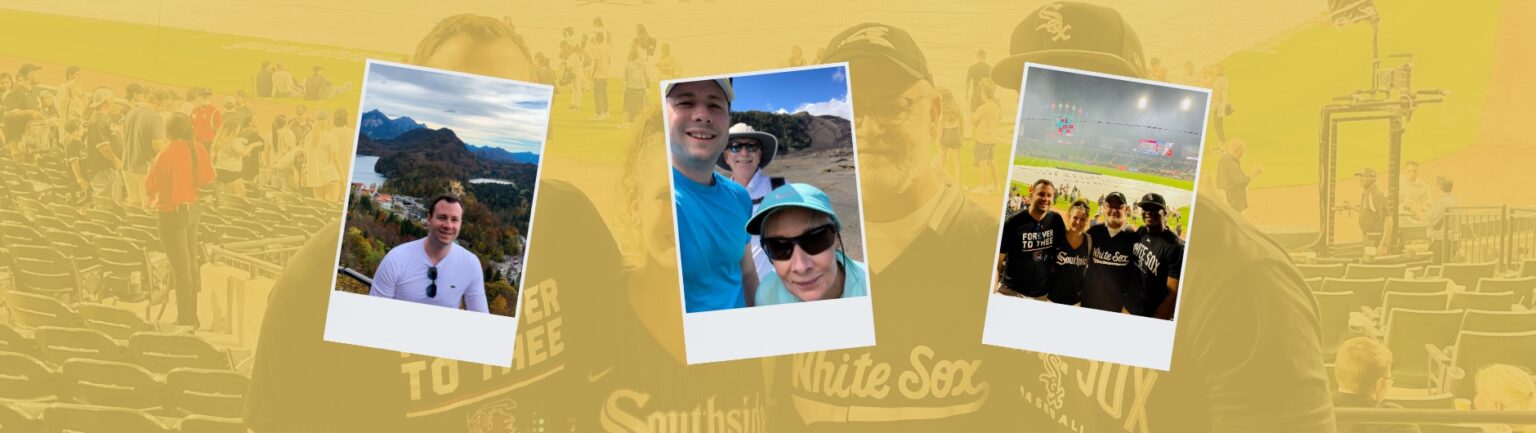
Dr. Michael Burke is a musculoskeletal radiologist in Chicago, Illinois, who serves as president of the local practice board and chief of musculoskeletal radiology (MSK). Outside of work, he enjoys hiking, especially in Tucson, Arizona, Hawaii and British Columbia; traveling to Germany, Switzerland and Belgium; watching and attending sporting events, particularly to cheer on his University of South Carolina Gamecocks; and spending time with family.

We talked to Dr. Burke to learn more about his career in radiology and why he joined Radiology Partners (RP).

Tell us why you got into radiology.

As I progressed through my clinical years of medical school, I noticed radiology played a crucial role in diagnosing and formulating a treatment plan for almost every patient. Nowhere was this more evident than during my trauma surgery and stroke neurology rotations. Realizing radiology’s central role in the patient care process made me explore the discipline further. I realized then that radiology was the right fit for me. I enjoy analyzing patterns and working in a fast-paced environment. While much of what I do is behind the scenes, I know my efforts directly impact people’s lives, which is rewarding and humbling.

Why did you choose MSK?

Alongside my twin brother, I was a competitive swimmer from an early age. During my sophomore season at the University of South Carolina, I incurred an injury requiring further MRI workup. As I was lying in the machine, I was nervous about what might be found and how long it would take to recover. Luckily, I never missed any competition. Looking back at the experience made me appreciate the care I received and the radiologist’s role in coming to a diagnosis. This is why I enjoy musculoskeletal radiology as I can provide diagnostic expertise and care to athletes of all ability levels that complement the great work of my fellow orthopedic and sports medicine colleagues. In addition, I’m fascinated by anatomy and exercise physiology, so musculoskeletal radiology suits my interests quite well.

How did you connect to RP?

Transitioning from the structured world of medical school and post-graduate training to the “real world” was daunting. I knew nothing about private practice as I hadn’t been exposed to anything outside of academic radiology. RP approached me and I interviewed with several practices. I decided to join Midwest Imaging Professionals in Chicago after finishing my fellowship in 2018. RP genuinely cared about finding employment that matched my interests and expertise and that has significantly shaped the foundation of my career and how I practice medicine. My goal from day one has been to reach my true potential as a radiologist and RP provides the environment and opportunities for me to make that a reality.

What excites you about RP?

At RP, it’s more than viewing images and generating reports. The opportunities for leadership, advocacy and value creation are endless, which suits my personality well. I want to use my talents and abilities to further patient care and broadly transform the radiology landscape. I’m proud of how I built the musculoskeletal radiology section of our local practice by revising and adding new protocols, adopting structured reporting templates and introducing MSK ultrasound. I did this during my first year of employment and never heard, “You’re a new radiologist; wait a few years then start taking on a project like this.” Subsequently, as a local practice board member and practice president, I’ve seen firsthand RP’s goals and aspirations take form. This would not happen without great people, which makes RP truly special. I’m particularly impressed with the accessibility and availability of regional and national executive leaders. They take a genuine interest in every radiologist and local practice. RP’s leadership recognizes the only way to transform radiology is to do it as a team, which sets us up for an exciting future.

What does the future of radiology look like to you and how will RP contribute to that?

First, the subspecialty model is here to stay. A robust remote reading capability will be key to providing timely subspecialty radiology care to healthcare consumers, particularly in small and rural markets. Now that nearly all physicians have completed a fellowship, it is good to have the ability to focus heavily on one’s specialty, which is essential to recruiting and retaining key talent.

Also, medical imaging utilization is increasing and will continue to do so. This poses both challenges and opportunities. Quality cannot be compromised as the work grows, and physicians must be increasingly vigilant for signs of burnout and how they can be remedied should they arise. Apart from those challenges, RP has a unique position to handle and embrace more work. This will happen by realizing efficiencies and collaborative partnerships among local practices, investments in IT and initiatives to make it easier to practice. This will become more important if predicted physician shortages manifest over the next decade.

Finally, advocacy, advocacy, advocacy! During my residency at George Washington University, I saw firsthand how important a seat at the table was for radiologists and patients to be represented appropriately in government. Radiology is critical to the basic functioning of the healthcare delivery system in this country, improving and saving lives through screening and early detection programs. With innovative technologies and capabilities on the horizon, radiology will be a leader in revolutionizing healthcare. Government and regulatory support must be in place to make that future a reality.

Dr. Michael Burke earned his medical degree from the University of South Carolina School of Medicine; completed his residency in MSK at George Washington University; and completed his fellowship in MSK at Northwestern University.

Radiology Partners, through its owned and affiliated practices, is a leading physician-led and physician-owned radiology practice in the U.S. Learn more about our mission, values and practice principles at RadPartners.com. For the latest news from RP, follow along on our blog and on TwitterLinkedInInstagram and YouTube. Interested in learning about career opportunities? Visit our careers page.


Why RP? Q&A with Dr. Nancy Ballantyne

Why RP? A Q&A with Dr. Nancy Ballantyne, Breast Radiologist

Dr. Ballantyne shares how RP offers valuable opportunities for professional growth and leadership development.

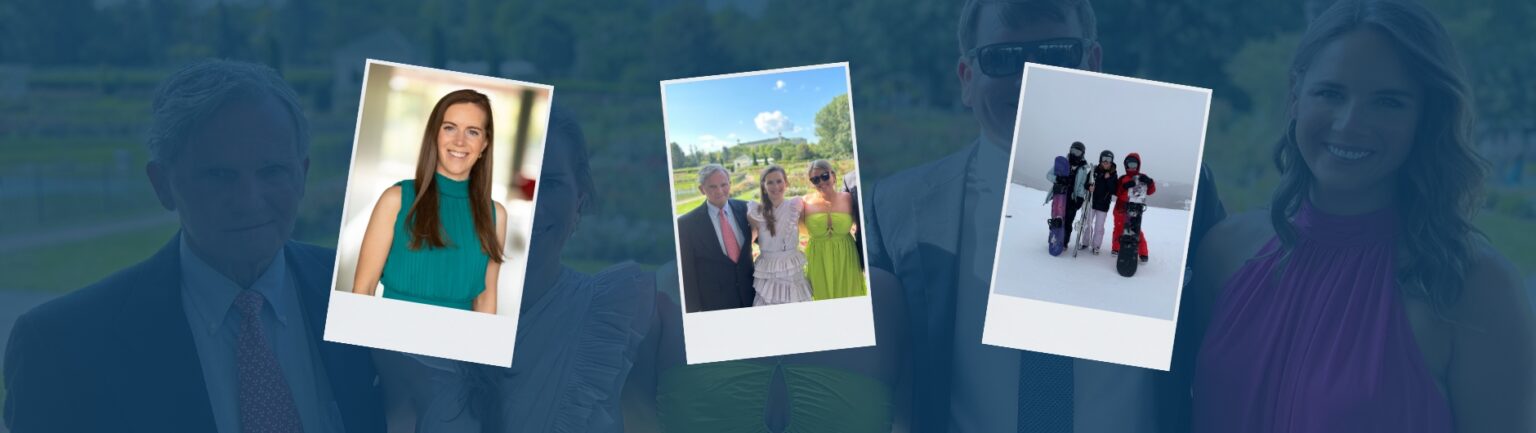
Dr. Nancy Ballantyne is a breast radiologist in Greensboro, North Carolina, where she serves as chair of onboarding and is also a member of the local practice board. Additionally, she is a member of the American College of Radiology, Radiological Society of North America and American Roentgen Ray Society. Outside of work, she enjoys playing tennis competitively, learning golf, snowboarding, exploring places in North Carolina, and spending time with family and friends.

We talked to Dr. Ballantyne to learn more about her career in radiology and why she joined RP.

Tell us about why you got into radiology.

Early on, I had the opportunity to shadow and work at a radiology practice in Greensboro, where I grew up. I shadowed a breast radiologist specifically and that really put radiology in the back of my mind. When I went on to medical school, I was drawn back to radiology. I enjoy how it’s visual and how it’s connected to all aspects of medicine. I can influence a lot of different parts of healthcare with radiology.

Breast imaging is patient-forward, too. You meet with patients, perform ultrasounds and help them through the process of getting a diagnosis. You can really connect with a patient. It’s a dynamic specialty, and I’m always learning something every day.

How did you connect with RP?

I finished my fellowship at Duke in 2020, and for my first job out of fellowship, I was looking at some practices in North Carolina. Word of mouth is huge, and I had connections at a practice in Greensboro. Some Duke graduates ahead of me had gone to work there, so I knew it was a solid practice that would be a good fit. The practice had just joined RP, and initially, I wasn’t sure what that would mean. Was it going to change the culture of the group or the way we did things? And I don’t think it has. It has always been a strong practice with great radiologists, and RP has helped emphasize our strengths and supported our growth. We have continued to practice medicine the way we know is best for our community, and we have remained committed to our goals and to patient care.

What excites you about RP?

The potential for leadership – we’ve had several leaders in our group who have taken on leadership roles within RP. This allows them to learn from other practices and leaders, and they bring that knowledge back to our practice to help us grow and develop leaders here. When I think about career advancement, I know I’m already in a place where I can take on leadership roles and build my career in the way that I want. That makes me want to stay in Greensboro at an RP practice.

RP has also given us the resources to get involved in different projects we otherwise wouldn’t be involved in, like AI. We have been at the forefront of some of the AI initiatives–and on the cutting edge of technology–because of RP. We have a couple of radiologists who are heavily involved in RP’s AI program, and we participated in early trials.

What are some of the unique features that RP offers that are hard to find elsewhere?

In addition to the AI and leadership opportunities that I mentioned, RP provides the infrastructure that supports everything from credentialing to benefits. As a doctor, it’s so helpful to have people who can assist you with these things and allow you to focus on your work serving patients. There is a lot of extra support you don’t have access to in a smaller group or in academics.

RP also offers the opportunity for mentorship, and I think it’s much harder to do that if you’re not part of a larger organization.

What does the future of radiology look like? How will RP contribute to that?

Radiology is evolving quickly, and it’s changing all the time. Some of these AI initiatives are going to continue to be a much larger part of the work that we do. We’re trying to adapt to that and figure out the best way to utilize it. RP is giving us the tools to be at the forefront and be the best that we can be as these things change.

Dr. Nancy Ballantyne (LinkedIn) earned her medical degree from University of North Carolina School of Medicine and completed her residency in breast radiology and fellowship in breast radiology at Duke University. She joined RP in 2020.

Radiology Partners, through its owned and affiliated practices, is a leading physician-led and physician-owned radiology practice in the U.S. Learn more about our mission, values and practice principles at RadPartners.com. For the latest news from RP, follow along on our blog and on TwitterLinkedIn Instagram and YouTube. Interested in learning about career opportunities? Visit our careers page.

Why RP? Q&A with Dr. Anand Singh

Why RP? A Q&A with Dr. Anand Singh, Musculoskeletal Radiologist

Dr. Singh shares how RP has supported his professional growth and why RP’s emphasis on people and culture is one of the practice’s greatest strengths.

Dr. Anand Singh is a musculoskeletal radiologist at RP Matrix, Radiology Partners’ (RP) internal teleradiology division. At Matrix, he is the Director of Peer Learning, as well as the section chief for the west division. He is also a member of RP’s national physician recruiting support board and RP’s national patient safety committee.

As a veteran of the U.S. Air Force, Dr. Singh is passionate about the role of the military radiologist and serves on the ACR military subcommittee. Among Dr. Singh’s many roles, his favorites are that of husband to his wife, Swapna, and father to his teenage daughters, Tara and Anya. He and his family reside in Louisville, Kentucky. In his free time, Dr. Singh enjoys baking, gardening and traveling.

We talked to Dr. Singh to learn more about his career in radiology and why he joined RP.

Tell us about why you got into radiology.

During medical school, many different specialists came to the radiology reading room to review patients and cases, and those discussions helped guide patient management. I wanted to be part of that dynamic interplay between technology and patient care. Today, medical imaging is at the nexus of everything we do in medicine, touching almost every patient in the healthcare system. It is the reason I still love the practice of radiology.

Tell us about your tenure/history with RP.

I joined RP Matrix in July 2021. From day one, the leaders at RP Matrix actively encouraged me in my professional growth. I quickly rose from regional quality assurance director to section chief. Currently, I am responsible for 40 physicians and multiple practices in the west region for RP Matrix.

Around the same time, I became section chief, I earned a position on RP’s national physician recruiting support board for helping shape national and local recruiting strategy and promoting the message of transforming radiology to candidates.

Recently, I was invited to join RP’s national patient safety committee to help spearhead initiatives such as peer learning. I feel that my story is not unique; if you are a talented individual, there are avenues for you to grow at RP that do not exist at other places.

What excites you about RP?

I wanted to work at a place where people are valued, diverse opinions are encouraged, and opportunities for talented individuals to grow professionally existed. RP provides all of these, both at the local practice level and the national level, through a variety of programs and initiatives. For example, we are applying AI at clinical scale, while at the same time creating purposeful dialogue and action on issues of diversity, equity and inclusion. Because of the consistent emphasis on its people and clinical quality, I am excited about how RP is uniquely positioned to address the challenges that face radiology in the years to come.

What are some of the unique features that RP offers that are hard to find elsewhere?

Today, a successful practice in radiology is grounded in both medical expertise and business principles. RP has unique strengths in both arenas. From a clinical perspective, national experts in every subspecialty lead initiatives that standardize best practices to benefit patients and practices across the country. Our expertise in developing and utilizing AI at clinical scale is also unmatched by any practice.

People look at the business side of RP and attempt to judge it solely from a transactional point of view, based on finances and market share. However, RP invests in its people more than other practices by providing countless opportunities for personal and professional development for radiologists in all phases of their careers.

How has your opinion of RP changed before joining the practice versus being a radiologist at RP?

From the outside, RP carries the label of “private equity” and “corporate radiology,” along with all the negative connotations and stigma associated with those terms. However, that’s not been my experience at RP. Rather than a loss of autonomy, I feel empowered to make tangible differences in the practice of radiology. I feel more connected and trusted at RP than at any other point in my career. That’s RP’s greatest strength – its emphasis on its people and culture.

What does the future of radiology look like in five years? How will RP contribute to that?

Radiology will continue to face the triad of increasing imaging volume, decreasing reimbursement and limited manpower. In addition, the healthcare landscape will see more consolidation among hospital systems and payors, demanding greater efficiency and throughput from radiology practices. All these stressors will place greater burdens on individual radiologists, causing them to experience increasing rates of burnout or early retirement.

Practices that address the mental, physical and emotional well-being of radiologists going forward will be well-positioned for retaining and recruiting the best radiology talent. RP is thinking of those solutions now by investing in individuals to keep them whole professionally and personally. Through measures such as AI-assisted technology to increase efficiency, outstanding support personnel to reduce administrative tasks and professional development including coaching circles and leadership training, RP rads are empowered every day to be their best selves. Because of its continuous emphasis on the whole person, RP will contribute to a more meaningful and purposeful radiologist experience, transforming radiology one person at a time.

Dr. Anand Singh (LinkedIn) earned his medical degree from the University of Alabama at Birmingham and completed his residency in diagnostic radiology and fellowship in musculoskeletal imaging at Mallinckrodt Institute of Radiology at Washington University in St. Louis, Missouri. He joined RP in 2021.

Radiology Partners, through its owned and affiliated practices, is a leading physician-led and physician-owned radiology practice in the U.S. Learn more about our mission, values and practice principles at RadPartners.com. For the latest news from RP, follow along on our blog and on TwitterLinkedIn Instagram and YouTube. Interested in learning about career opportunities? Visit our careers page.

Dr. Matthew Peterson

Why RP? A Q&A with Dr. Matthew Peterson, Interventional Radiologist

Dr. Peterson shares his thoughts on the benefits of a national radiology practice.

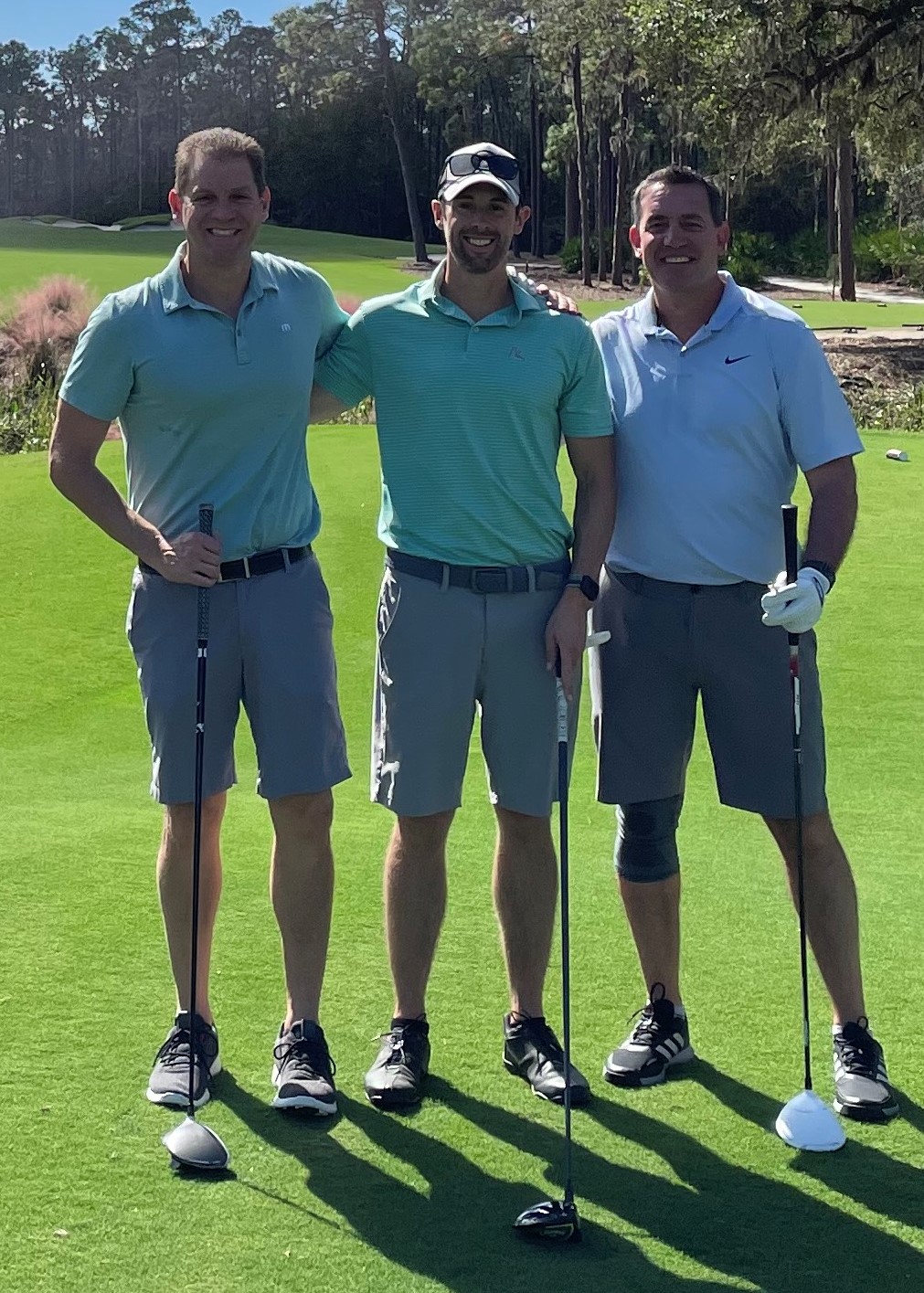
Dr. Matthew Peterson’s interventional radiology (IR) career spans two separate Radiology Partners affiliated practices. For the last two years, he has practiced in Sarasota, Florida, and prior, he served a practice in Columbus, Ohio. Currently, he is a member of RP’s physician recruiting support board, and he previously served on his local practice’s board. Outside of radiology, Dr. Peterson is married with three children and enjoys anything related to sports, especially golf and skiing. We talked to Dr. Peterson to learn more about his career and his experience with RP.

“With the benefits of a strong IT infrastructure, utilization of AI, adherence to best practice recommendations and a national platform that allows us to collaborate across a large network, I think Radiology Partners allows us to push the standard of what radiologists can offer to our patients and clients.” – Dr. Matthew Peterson

Why did you choose radiology?

I was exposed to IR during my third year of medical school. I already knew I wanted to do something surgical or procedure-based, and I found the use of imaging and minimally invasive techniques in IR fascinating, which drew me to radiology. As I learned more about the specialty, the ability to impact all parts of medicine interested me. To be a radiologist, you must be knowledgeable about so many different areas of medicine, and that challenge was what drove me to pursue radiology.

How did you connect with RP?

I have been with RP for much of my career. After my fellowship, I joined a private practice in Ohio. During my time there in 2016, our group partnered with Radiology Partners. Between serving on our local practice board and the RP recruiting support board, I developed a good understanding of how RP works with local practices and the value local practices and RP bring to each other. My family made the decision to relocate to Florida, and through the connections and friendships that I had made within RP, I was fortunate to relocate to another RP practice. My experience with RP has been very positive, and it was a goal of mine to stay within the practice.

What excites you about RP?

My group joined RP early on in my career, when RP was also in its beginning stages. Much of the discussion was about how to make radiology better and how RP could accomplish that. As time went on, RP grew and delivered, turning those ideas into resources to make us a better practice and physicians. With the benefits of a strong IT infrastructure, utilization of AI, adherence to best practice recommendations and a national platform that allows us to collaborate across a large network, I think Radiology Partners allows us to push the standard of what radiologists can offer to our patients and clients.

What are some of the unique features that RP offers that are hard to find elsewhere?

I like to highlight to people that RP is a radiology practice that puts a strong emphasis on culture and physician engagement. RP has created educational courses to teach radiologists about healthcare business and administration so we can train our own physicians to help lead our practice. RP allows for numerous opportunities to be in leadership roles, such as local practice committees, hospital/medical directors, RP national boards and radiology advocacy groups. We have a lot of great physician leaders at RP, and there are lots of ways that interested radiologists can get involved.

How has your opinion of RP changed since joining the practice?

I did not know much about RP when our practices merged, but one of the circumstances where I saw a real impact of being with RP was during the Covid-19 pandemic. There was a lot of uncertainty in the world, with what was going on and what the future would look like. Although no one was able to predict how it would play out, RP leadership did a great job of identifying potential challenges, offering guidance and giving projections as to what to expect. The transparency of RP’s leadership provided a sense of confidence and stability, which allowed us as radiologists to remain focused on providing patient care. I do not think our group would have had the same experience had it not been for RP.

What does the future of radiology look like in five years? How will RP contribute to that?

There are trends in radiology that I think will continue. Healthcare continues to rely on imaging, and with a growing and aging population, radiologists will be pushed to find ways to be more efficient without sacrificing quality to keep up with demand. Physician recruiting and retention will be increasingly important for groups, and I think improving the work environment and job satisfaction for radiologists will be more of a focus. Reimbursement will remain tied to quality metrics and adherence to these measures will be important for groups to avoid financial penalties. These are areas that RP continues to examine and improve where able. Additionally, AI will continue to be at the forefront of our profession. In RP, we have already seen the implementation of AI technology to improve the quality of our reports in the past five years. RP is continuing to develop AI into a tool to help us perform our job better, which I think will have a growing impact on the interpretation of images in the future.

Dr. Matthew Peterson earned his medical degree from Loyola University in Chicago; completed his residency at Morristown Medical Center in Morristown, New Jersey; and completed a fellowship in vascular and interventional radiology at the University of Minnesota.

Radiology Partners, through its owned and affiliated practices, is a leading physician-led and physician-owned radiology practice in the U.S. Learn more about our mission, values and practice principles at RadPartners.com. For the latest news from RP, follow along on our blog and on TwitterLinkedIn,  Instagram and YouTube. Interested in learning about career opportunities? Visit our careers page.