Why RP? A Q&A with Dr. Anthony Toppins, Musculoskeletal Radiologist 
Why RP? Q&A with Dr. Tony Toppins

Dr. Toppins shares his journey to MSK and RP and the bright future of radiology as an integral part of patient care.

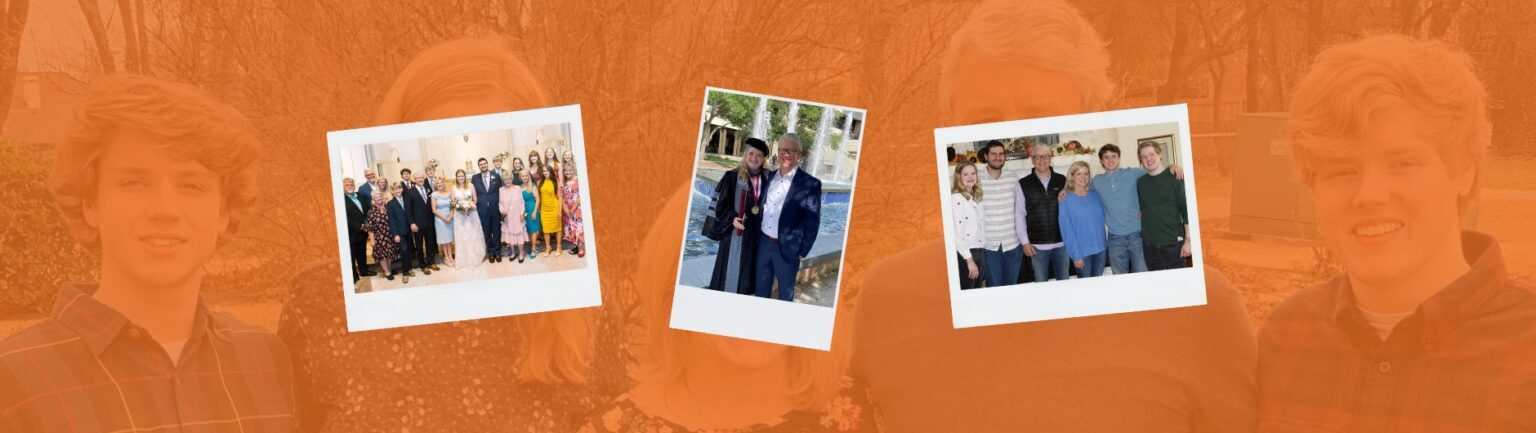
Dr. Anthony Toppins is a musculoskeletal radiologist (MSK) in Dallas, Texas, where he serves as practice president of Radiology Partners Eagle. Outside of work, Dr. Toppins loves spending time with his wife, three children, their spouses and pets. He enjoys wake surfing, Sea-Doos, fishing and weekends at their family farm in rural East Texas.

We talked to Dr. Toppins to learn more about his career in radiology and why he joined RP.

Tell us about why you got into radiology.

I discovered my passion for radiology during my rotation in my third year of medical school. Initially, I had no idea what radiology was, but I was drawn to its intersection of technology, photography and medicine. This was a pivotal moment for me. I recognized the prospect of combining my interests with the significant role radiology plays in caring for nearly every patient, which solidified my decision to pursue a career in radiology.

Why did you choose MSK?

During one of my earlier rotations at a private community hospital, I had the privilege of working with a highly versatile general radiologist who shared valuable insights on diagnostic procedures, explaining the rationale behind specific tests, the selection of different imaging modalities (such as CT or MRI) and the considerations in opting for plain film versus ultrasound. Despite not being at a teaching hospital, his selfless commitment to educating a medical student in his personal time profoundly impacted me. At that time, I also encountered an interventional radiologist who demonstrated his subspecialty’s hands-on, patient-centric approach.

Observing this contrast early on helped me appreciate the diversity within radiology. While initially leaning towards interventional due to a preference for patient interaction, I eventually found my niche in MSK. With its minor procedural aspect, MSK allowed me to engage with patients directly and perform treatments alongside diagnostic work. My early exposure to the spectrum of radiology subspecialties was pivotal in shaping my career path and instilled a passion for MSK.

How did you connect with RP?

I had recently transitioned from a previous role at Baylor in Dallas to join Dr. Byron Christie at Eagle Imaging when I met RP co-founders Rich Whitney, chairman and CEO, and Dr. Anthony Gabriel, president, through a mutual friend during the 2012 RSNA event. At that time, one radiologist was partnering with them, Dr. Nina Kottler. The concept they introduced, focusing on enhancing and revolutionizing radiology and their methodology in clinical medicine – scaling it, improving quality and implementing quality metrics – captivated me. In particular, I found inspiration in how they drew from concepts in nephrology dialysis. The alignment of our visions and personal rapport led to the decision for Eagle to become the first practice to officially partner with RP in July 2013, marking the beginning of a collaborative journey.

What excites you about RP?

Some of the same things that excited me when I started my journey with RP still excite me today. Rich often uses a mountain analogy, illustrating RP’s growth as ascending peaks, which resonates with me. A decade ago, we began at the mountain’s base, and now, standing atop one peak, we realize taller peaks lie ahead. With radiology’s changing landscape, RP is transitioning from rapid growth to focusing on clinical excellence and innovation.

As we adapt to the evolving terrain, I see opportunities for enhanced integration. Embracing our latest tech stack, RP Cloud Enterprise, our practice incorporated AI tools Aidoc and Rad AI, helping streamline our processes, automate impressions, and boost our capabilities. RP’s unique position, grounded in scale and a robust IT platform, enables us to balance staffing with workflow demands and overcome hiring challenges. Radiologists across the country are facing increasing fatigue due to rising case volumes, and RP’s commitment to minimizing fatigue underscores our dedication to radiologists’ well-being.

Lastly, I’m thrilled with the quality of RP’s radiologists and support teammates, coupled with a strong board and executive team, positioning us for the future. Amid challenging reimbursement dynamics, I’m pleased with RP’s efforts to mitigate downward pressures, address issues and instigate positive change.

What does the future of radiology look like to you and how will RP contribute to that?

The future of radiology is extremely promising. I actively encourage aspiring medical professionals to consider radiology as a rewarding career, citing its favorable combination of quality of life and income. Despite initial concerns about the field’s viability, particularly with the rise of primary care, those predictions have proven unfounded, and radiology has flourished.

Similar concerns about AI replacing radiologists are emerging, but I firmly believe AI will enhance rather than replace radiologists. I envision a collaborative future where AI serves as a valuable tool, working alongside radiologists to enhance detection, improve clinical quality and address the escalating workload. While AI can offer a preliminary analysis, the critical role of radiologists in quality control remains indispensable. Technological advancements in our technology stack and AI capabilities contribute to this optimistic outlook. Further enhancements, such as improved voice-to-text functionality, are potential growth areas to reduce fatigue and enhance report generation efficiency. The evolving landscape, exemplified by innovations like Aidoc and Rad AI, reinforces my confidence in the field’s future.

The demand for radiology continues to rise, with no signs of diminishing importance in patient care. Radiology’s role remains integral, and I foresee its significance increasing rather than waning in the broader medical process. The future of radiology is bright, resilient and poised for continued relevance in the evolving healthcare landscape.

Dr. Tony Toppins earned his medical degree from the University of Oklahoma College of Medicine; completed his residency in diagnostic radiology at Baylor University Medical Center in Dallas, TX and completed his fellowship in MSK at University of California San Diego.

Radiology Partners, through its owned and affiliated practices, is a leading physician-led and physician-owned radiology practice in the U.S. Learn more about our mission, values and practice principles at RadPartners.com. For the latest news from RP, follow along on our blog and on TwitterLinkedInInstagram and YouTube. Interested in learning about career opportunities? Visit our careers page.


Why RP? A Q&A with Dr. Michael Burke, Musculoskeletal Radiologist

Why RP? Q&A with Dr. Michael Burke

Dr. Burke shares his journey into radiology and how RP has shaped the foundation of his career.

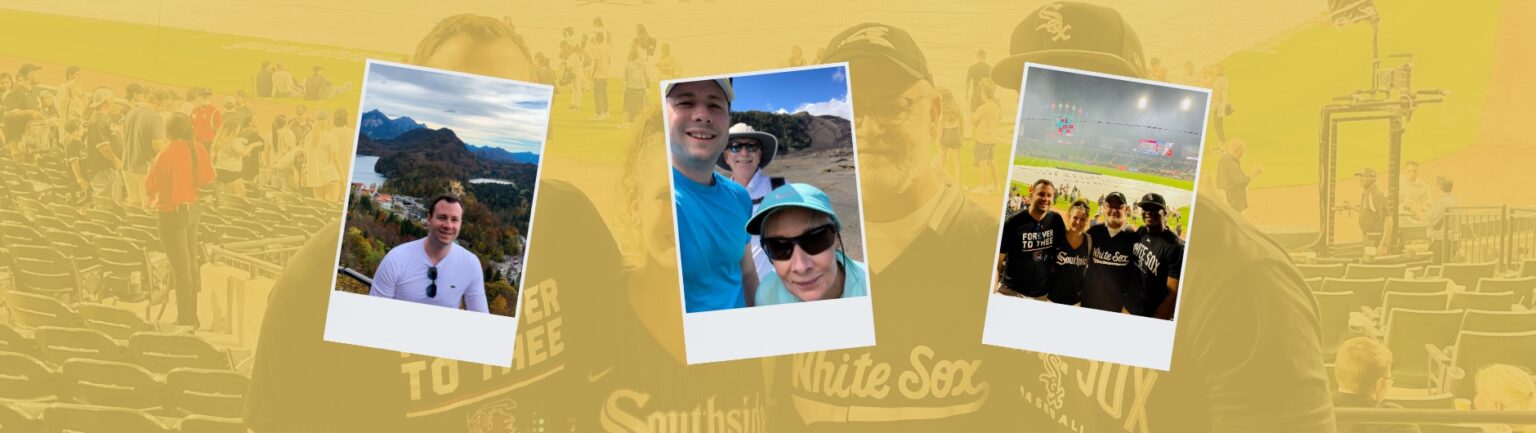
Dr. Michael Burke is a musculoskeletal radiologist in Chicago, Illinois, who serves as president of the local practice board and chief of musculoskeletal radiology (MSK). Outside of work, he enjoys hiking, especially in Tucson, Arizona, Hawaii and British Columbia; traveling to Germany, Switzerland and Belgium; watching and attending sporting events, particularly to cheer on his University of South Carolina Gamecocks; and spending time with family.

We talked to Dr. Burke to learn more about his career in radiology and why he joined Radiology Partners (RP).

Tell us why you got into radiology.

As I progressed through my clinical years of medical school, I noticed radiology played a crucial role in diagnosing and formulating a treatment plan for almost every patient. Nowhere was this more evident than during my trauma surgery and stroke neurology rotations. Realizing radiology’s central role in the patient care process made me explore the discipline further. I realized then that radiology was the right fit for me. I enjoy analyzing patterns and working in a fast-paced environment. While much of what I do is behind the scenes, I know my efforts directly impact people’s lives, which is rewarding and humbling.

Why did you choose MSK?

Alongside my twin brother, I was a competitive swimmer from an early age. During my sophomore season at the University of South Carolina, I incurred an injury requiring further MRI workup. As I was lying in the machine, I was nervous about what might be found and how long it would take to recover. Luckily, I never missed any competition. Looking back at the experience made me appreciate the care I received and the radiologist’s role in coming to a diagnosis. This is why I enjoy musculoskeletal radiology as I can provide diagnostic expertise and care to athletes of all ability levels that complement the great work of my fellow orthopedic and sports medicine colleagues. In addition, I’m fascinated by anatomy and exercise physiology, so musculoskeletal radiology suits my interests quite well.

How did you connect to RP?

Transitioning from the structured world of medical school and post-graduate training to the “real world” was daunting. I knew nothing about private practice as I hadn’t been exposed to anything outside of academic radiology. RP approached me and I interviewed with several practices. I decided to join Midwest Imaging Professionals in Chicago after finishing my fellowship in 2018. RP genuinely cared about finding employment that matched my interests and expertise and that has significantly shaped the foundation of my career and how I practice medicine. My goal from day one has been to reach my true potential as a radiologist and RP provides the environment and opportunities for me to make that a reality.

What excites you about RP?

At RP, it’s more than viewing images and generating reports. The opportunities for leadership, advocacy and value creation are endless, which suits my personality well. I want to use my talents and abilities to further patient care and broadly transform the radiology landscape. I’m proud of how I built the musculoskeletal radiology section of our local practice by revising and adding new protocols, adopting structured reporting templates and introducing MSK ultrasound. I did this during my first year of employment and never heard, “You’re a new radiologist; wait a few years then start taking on a project like this.” Subsequently, as a local practice board member and practice president, I’ve seen firsthand RP’s goals and aspirations take form. This would not happen without great people, which makes RP truly special. I’m particularly impressed with the accessibility and availability of regional and national executive leaders. They take a genuine interest in every radiologist and local practice. RP’s leadership recognizes the only way to transform radiology is to do it as a team, which sets us up for an exciting future.

What does the future of radiology look like to you and how will RP contribute to that?

First, the subspecialty model is here to stay. A robust remote reading capability will be key to providing timely subspecialty radiology care to healthcare consumers, particularly in small and rural markets. Now that nearly all physicians have completed a fellowship, it is good to have the ability to focus heavily on one’s specialty, which is essential to recruiting and retaining key talent.

Also, medical imaging utilization is increasing and will continue to do so. This poses both challenges and opportunities. Quality cannot be compromised as the work grows, and physicians must be increasingly vigilant for signs of burnout and how they can be remedied should they arise. Apart from those challenges, RP has a unique position to handle and embrace more work. This will happen by realizing efficiencies and collaborative partnerships among local practices, investments in IT and initiatives to make it easier to practice. This will become more important if predicted physician shortages manifest over the next decade.

Finally, advocacy, advocacy, advocacy! During my residency at George Washington University, I saw firsthand how important a seat at the table was for radiologists and patients to be represented appropriately in government. Radiology is critical to the basic functioning of the healthcare delivery system in this country, improving and saving lives through screening and early detection programs. With innovative technologies and capabilities on the horizon, radiology will be a leader in revolutionizing healthcare. Government and regulatory support must be in place to make that future a reality.

Dr. Michael Burke earned his medical degree from the University of South Carolina School of Medicine; completed his residency in MSK at George Washington University; and completed his fellowship in MSK at Northwestern University.

Radiology Partners, through its owned and affiliated practices, is a leading physician-led and physician-owned radiology practice in the U.S. Learn more about our mission, values and practice principles at RadPartners.com. For the latest news from RP, follow along on our blog and on TwitterLinkedInInstagram and YouTube. Interested in learning about career opportunities? Visit our careers page.


Why RP? A Q&A with Dr. Anand Singh, Musculoskeletal Radiologist

Why RP? Q&A with Dr. Anand Singh

Dr. Singh shares how RP has supported his professional growth and why RP’s emphasis on people and culture is one of the practice’s greatest strengths.

Dr. Anand Singh is a musculoskeletal radiologist at RP Matrix, Radiology Partners’ (RP) internal teleradiology division. At Matrix, he is the Director of Peer Learning, as well as the section chief for the west division. He is also a member of RP’s national physician recruiting support board and RP’s national patient safety committee.

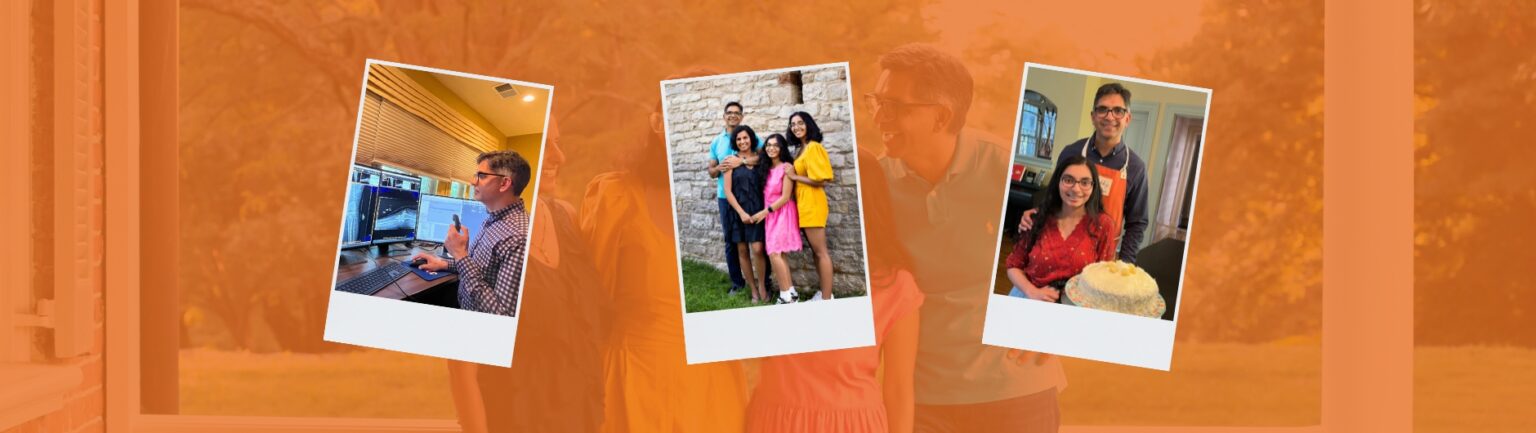
As a veteran of the U.S. Air Force, Dr. Singh is passionate about the role of the military radiologist and serves on the ACR military subcommittee. Among Dr. Singh’s many roles, his favorites are that of husband to his wife, Swapna, and father to his teenage daughters, Tara and Anya. He and his family reside in Louisville, Kentucky. In his free time, Dr. Singh enjoys baking, gardening and traveling.

We talked to Dr. Singh to learn more about his career in radiology and why he joined RP.

Tell us about why you got into radiology.

During medical school, many different specialists came to the radiology reading room to review patients and cases, and those discussions helped guide patient management. I wanted to be part of that dynamic interplay between technology and patient care. Today, medical imaging is at the nexus of everything we do in medicine, touching almost every patient in the healthcare system. It is the reason I still love the practice of radiology.

Tell us about your tenure/history with RP.

I joined RP Matrix in July 2021. From day one, the leaders at RP Matrix actively encouraged me in my professional growth. I quickly rose from regional quality assurance director to section chief. Currently, I am responsible for 40 physicians and multiple practices in the west region for RP Matrix.

Around the same time, I became section chief, I earned a position on RP’s national physician recruiting support board for helping shape national and local recruiting strategy and promoting the message of transforming radiology to candidates.

Recently, I was invited to join RP’s national patient safety committee to help spearhead initiatives such as peer learning. I feel that my story is not unique; if you are a talented individual, there are avenues for you to grow at RP that do not exist at other places.

What excites you about RP?

I wanted to work at a place where people are valued, diverse opinions are encouraged, and opportunities for talented individuals to grow professionally existed. RP provides all of these, both at the local practice level and the national level, through a variety of programs and initiatives. For example, we are applying AI at clinical scale, while at the same time creating purposeful dialogue and action on issues of diversity, equity and inclusion. Because of the consistent emphasis on its people and clinical quality, I am excited about how RP is uniquely positioned to address the challenges that face radiology in the years to come.

What are some of the unique features that RP offers that are hard to find elsewhere?

Today, a successful practice in radiology is grounded in both medical expertise and business principles. RP has unique strengths in both arenas. From a clinical perspective, national experts in every subspecialty lead initiatives that standardize best practices to benefit patients and practices across the country. Our expertise in developing and utilizing AI at clinical scale is also unmatched by any practice.

People look at the business side of RP and attempt to judge it solely from a transactional point of view, based on finances and market share. However, RP invests in its people more than other practices by providing countless opportunities for personal and professional development for radiologists in all phases of their careers.

How has your opinion of RP changed before joining the practice versus being a radiologist at RP?

From the outside, RP carries the label of “private equity” and “corporate radiology,” along with all the negative connotations and stigma associated with those terms. However, that’s not been my experience at RP. Rather than a loss of autonomy, I feel empowered to make tangible differences in the practice of radiology. I feel more connected and trusted at RP than at any other point in my career. That’s RP’s greatest strength – its emphasis on its people and culture.

What does the future of radiology look like in five years? How will RP contribute to that?

Radiology will continue to face the triad of increasing imaging volume, decreasing reimbursement and limited manpower. In addition, the healthcare landscape will see more consolidation among hospital systems and payors, demanding greater efficiency and throughput from radiology practices. All these stressors will place greater burdens on individual radiologists, causing them to experience increasing rates of burnout or early retirement.

Practices that address the mental, physical and emotional well-being of radiologists going forward will be well-positioned for retaining and recruiting the best radiology talent. RP is thinking of those solutions now by investing in individuals to keep them whole professionally and personally. Through measures such as AI-assisted technology to increase efficiency, outstanding support personnel to reduce administrative tasks and professional development including coaching circles and leadership training, RP rads are empowered every day to be their best selves. Because of its continuous emphasis on the whole person, RP will contribute to a more meaningful and purposeful radiologist experience, transforming radiology one person at a time.

Dr. Anand Singh (LinkedIn) earned his medical degree from the University of Alabama at Birmingham and completed his residency in diagnostic radiology and fellowship in musculoskeletal imaging at Mallinckrodt Institute of Radiology at Washington University in St. Louis, Missouri. He joined RP in 2021.

Radiology Partners, through its owned and affiliated practices, is a leading physician-led and physician-owned radiology practice in the U.S. Learn more about our mission, values and practice principles at RadPartners.com. For the latest news from RP, follow along on our blog and on TwitterLinkedIn Instagram and YouTube. Interested in learning about career opportunities? Visit our careers page.