Why RP? A Q&A with Dr. Susan O’Horo, Interventional Radiologist
Dr. O’Horo discusses her journey in radiology, the evolving role of women in the field and her experience at RP.
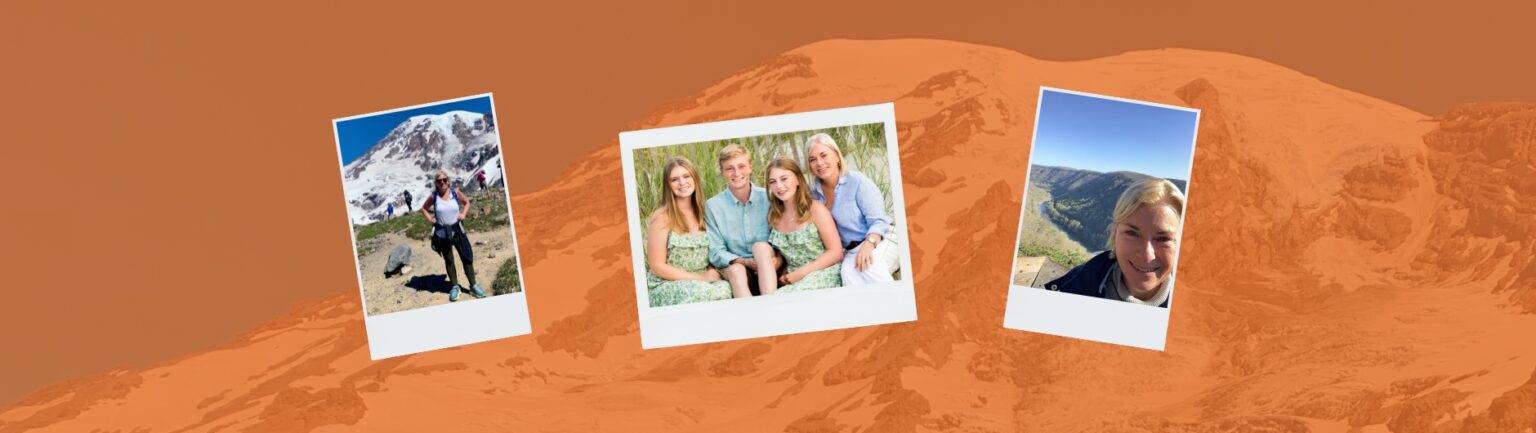
Dr. Susan O’Horo is a practicing interventional radiologist (IR) on RP’s SEAL team and serves on RP’s patient safety committee. Based in the coastal community of Hingham, Massachusetts, she balances her professional life by enjoying gardening, reading, participating in community activities, socializing with friends, exploring national parks and spending time with her three children.
We spoke with Dr. O’Horo to learn about her IR journey and advocacy for women in radiology.
Tell us what inspired you to become a radiologist.
My path to radiology was somewhat serendipitous. I initially pursued surgery in medical school, but the demanding hours caused me to reconsider. We worked about 125 hours a week, with 24-hour shifts often stretching to 30, which took its toll. I was seeking a change, and a friend introduced me to radiology’s appeal: a wide variety of interesting and diverse cases, frequent collaboration with other physicians and a healthier work-life balance. I was captivated by the intellectual challenge and my affinity for visual interpretation, prompting me to make the transition. Fortunately, I secured residency, smoothly transitioning from a surgical internship to radiology.
How did you choose IR as your specialty?
IR is a unique combination of imaging, procedures and direct patient care. The intersection of imaging, innovation and technology offers a dynamic environment where I can make a tangible difference in patients’ lives. I’m particularly drawn to the opportunity to treat some of the most complex cases in the hospital, where traditional treatments have often been exhausted. Whether pioneering new procedures or refining existing ones, the ability to positively impact patient outcomes is incredibly rewarding to me.
How did you connect with RP?
I connected with RP through my role as co-chair for the Massachusetts Radiological Society Quality and Safety Committee. We hosted a quarterly conference on quality and safety, where Dr. Nina Kottler, RP’s associate chief medical officer for clinical AI, was invited to speak on AI’s applications in clinical practice. Following her presentation, I approached her about potential opportunities within RP. She introduced me to Dr. Byron Christie, who was then president of the SEAL team at RP and has since become RP’s associate chief medical officer for operations.
You are a member of the SEAL team at RP. Can you explain what the SEAL team is and its role?
The SEAL team stands for “stabilize, engage, align and lead,” focusing primarily on operations and integration. When new practices join RP, the SEAL team provides on-site support to ensure smooth integration and stabilization of services. This includes offering radiology services to hospitals and patients during transition. Our goal is to facilitate a seamless integration process until the practice is fully integrated with RP, assisting with technology and regular radiology services as needed.
Being part of the SEAL team has been truly remarkable. While traditional radiology offers exposure to the best cases in one hospital, as a SEAL team member, I have the privilege of encountering top cases across the country. This role has provided valuable insights into diverse healthcare landscapes, enhancing my focus on quality and safety. This experience has deepened my understanding of delivering high-quality radiology on a national scale, fostering shared learning and improvement across practices. My responsibilities vary: I travel to our managed sites about one week per month, while the remainder of my time is dedicated to remotely supporting sites with diagnostic needs. This hybrid arrangement allows me to actively participate in interventional and diagnostic radiology, which is incredibly fulfilling professionally. Moreover, the outstanding work-life balance afforded by this position has been a game-changer for me, whether at home or on the road.
How have you observed the evolution of female representation and mentorship opportunities in IR throughout your career?
Few women were represented when I began my career in radiology, particularly in interventional radiology, and mentorship opportunities were scarce amidst prevalent biases. However, I’ve witnessed significant positive changes as more women enter various radiology specialties. Today, women in IR are breaking barriers, leading research, innovating techniques and advocating for diversity.
What advice would you give to encourage young female physicians to pursue a career in IR?
It’s important to recognize the increasing presence of women in IR, enriching the specialty with diverse perspectives and contributions. I would emphasize the intellectually stimulating nature of the work, the visually compelling practice and the abundant leadership and professional growth opportunities available. Aspiring female physicians should seek mentors who provide guidance and support, helping them engage in networks that promote collaboration and advocacy.
RP is committed to fostering a supportive and inclusive workplace where women radiologists thrive and make meaningful contributions. We actively encourage women to assume leadership roles, leveraging their expertise to influence decision-making. RP provides robust resources for professional growth, promotes a healthy work-life balance and cultivates networks where women radiologists can connect and mentor one another, creating a positive work environment. Moreover, we advocate for gender diversity and equality, ensuring equitable opportunities for women to succeed and excel in their careers.
How has your work/life balance changed since joining RP?
Since joining RP, my work/life balance has significantly improved, especially regarding my love for travel. Exploring national parks has long been a passion of mine, aiming to add two or three new ones each year. Traveling and working on-site at various hospitals has allowed me the opportunity to access additional parks. Each visit has been spectacular, from Mammoth Caves in Kentucky to Mount Rainier in Washington. Yosemite remains my favorite, closely followed by Mount Rainier.
What excites you about RP? What are some unique features you can’t find elsewhere?
My experience at RP has exceeded my expectations. I adore my team at RP. We’re incredibly cohesive, collaborative, and flexible, making our work environment enjoyable. It’s genuinely the most harmonious team I’ve ever been a part of. Our leaders are exemplary, guiding us all towards shared goals with positivity and clarity. I value RP’s physician-led approach and its leadership’s intelligence and emotional intelligence, which have enriched my experience here immensely.
Additionally, RP offers unique opportunities for radiologists with diverse interests and passions. In my previous roles, I couldn’t explore avenues like providing care in underserved areas or teaching residents abroad. At RP, I have the chance to make meaningful contributions both locally and globally. Whether teaching residents in Tanzania or assisting patients in hospitals across West Virginia, Kentucky and Appalachia, there’s a profound sense of fulfillment in delivering high-quality care where it’s needed most. This aspect of RP was a pleasant surprise, opening doors to opportunities I had previously only dreamed of.
How do you see RP contributing to the future of radiology?
In my opinion, the future of radiology hinges on the collaboration between radiologists and the technologies at our disposal, whether existing platforms or those yet to be developed, all aimed at enhancing patient care. These advancements are transformative. RP is a key player in reshaping radiology due to its vast resources, expansive reach and visionary leadership. The leadership team’s focus on patient care is paramount in addressing the growing demands on radiologists. With the current patient volumes surpassing the available radiologist workforce, innovative approaches are essential to efficiently meet patient needs. Burnout remains a significant concern among radiologists, but RP excels with its physician-led model, significantly improving outcomes for radiologists and patients. Efficiency and time management are my top priorities, especially as a mother of three. Thanks to advancements in AI and IT platforms, I can now care for more patients while maintaining a healthy work-life balance.
Are there any other experiences you’ve had working at RP that you would like to share?
What stands out to me is how radiology operates as a team effort, reminiscent of my college experience on the crew team. While individual contributions are crucial, our collaborative spirit propels us forward. Guided by exceptional leadership, we navigate challenges together, each member fulfilling their role with professionalism and dedication. This cohesive atmosphere is evident, with everyone working seamlessly towards shared objectives.
Dr. Susan O’Horo (LinkedIn) earned her medical degree from the University of Vermont College of Medicine and completed her residency in diagnostic imaging and fellowship in interventional radiology at Rhode Island Hospital/Brown University.
Radiology Partners, through its owned and affiliated practices, is a leading physician-led and physician-owned radiology practice in the U.S. Learn more about our mission, values and practice principles at RadPartners.com. For the latest news from RP, follow along on our blog and on X, LinkedIn, Instagram and YouTube. Interested in learning about career opportunities? Visit our careers page.