The Radiology Partners (RP) Breast Imaging National Subspecialty Division (NSD) presents our newest Rad to Rad Learning case.
Dr. Krishna Nallamshetty
TheBreast Imaging NSD is part of RP’s Clinical Value Team, whichworks to elevate patient care and enhance value through innovation, collaboration and education.To advance this goal, our radiologists and advanced practice providers are committed to sharing peer learning as valuable reminders and insights about what weencounter in our day-to-day practice.
Check back here and on X, LinkedIn and Instagram to see these common cases and our findings.Visit the Clinical Resources page for more cases and to see what we’ve developed to enhance best practice recommendations, elevate image quality and patient care and update current standards throughout RP’s network of practices, all to deliver excellent radiology services to patients, referring clinicians and client partners.
Radiology Partners, through its owned and affiliated practices, is a leading physician-led and physician-owned radiology practice in the U.S. For the latest news from RP, follow us on X, LinkedIn, Instagram, YouTube and the blog.Shared to improve patient safety and healthcare delivery in the provision of radiology services. The circumstances and facts are changed, altered, or deidentified to preserve confidentiality. Privileges have not been waived.
Breast Cancer Awareness: Insights into Breast Health and the Importance of Breast Density
National Mammography Day is October 18, part of Breast Cancer Awareness Month, and as a radiology practice, we emphasize the importance of regular mammogram screenings.
Women who are at average risk for breast cancer should begin annual screening mammograms at age 40.
Women with a family history of breast cancer should work with their healthcare provider to assess their risk.
Breast Cancer Awareness Month is a key time to learn about genetic carrier screenings, such as BRCA and preventative measures for early detection.
In this two-part video series, we spoke with two breast imaging experts at RP to walk us through the basics of breast health and breast cancer and to explain the importance of breast density.
In part one, Dr. Arthy Saravanan, practicing breast radiologist and associate chief medical officer for recruiting, shares the myths related to breast cancer, the importance of early detection and the significance of breast density.
In part two, Dr. Dana Bonaminio, national subspecialty lead for breast imaging, walks us through a case involving breast density and masking in mammography.
Dr. Arthy Saravanan (LinkedIn) is the Associate Chief Medical Officer for Recruitment at Radiology Partners, and Dr. Dana Bonaminio (LinkedIn) is the national subspecialty lead for breast imaging at Radiology Partners. Radiology Partners, through its owned and affiliated practices, is a leading physician-led and physician-owned radiology practice in the U.S. For the latest news from RP, follow us on X, LinkedIn, Instagram, YouTubeand the blog.
Shared to improve patient safety and healthcare delivery in the provision of radiology services. The circumstances and facts are changed, altered, or deidentified to preserve confidentiality. Privileges have not been waived.
Rad to Rad Learning: Incidental Breast Cancer on Chest CT
The Radiology Partners (RP) Breast Imaging National Subspecialty Division (NSD) presents our newest Rad to Rad Learning case.
The Breast Imaging NSD is part of RP’s Clinical Value Team, which works to elevate patient care and enhance value through innovation, collaboration and education. To advance this goal, our radiologists and advanced practice providers are committed to sharing peer learning as valuable reminders and insights about what we encounter in our day-to-day practice.
Check back here and on X, LinkedIn and Instagram to see these common cases and our findings.Visit the Clinical Resources page for more cases and to see what we’ve developed to enhance best practice recommendations, elevate image quality and patient care and update current standards throughout RP’s network of practices, all to deliver excellent radiology services to patients, referring clinicians and client partners.
Radiology Partners, through its owned and affiliated practices, is a leading physician-led and physician-owned radiology practice in the U.S. For the latest news from RP, follow us on X, LinkedIn, Instagram, YouTube and the blog.Shared to improve patient safety and healthcare delivery in the provision of radiology services. The circumstances and facts are changed, altered, or deidentified to preserve confidentiality. Privileges have not been waived.
Why RP? A Q&A with Dr. Meghan Woughter, Breast Radiologist
Dr. Woughter shares how RP provides opportunities for growth, leadership development and collaboration, while maintaining a healthy work-life balance.
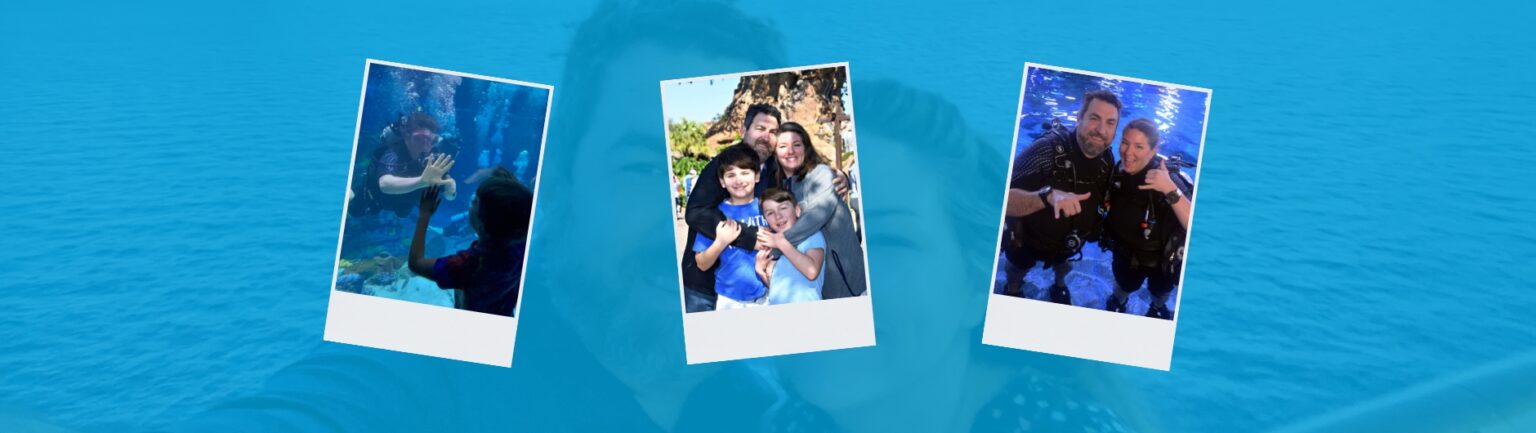
Dr. Meghan Woughter is a breast radiologist in Houston, Texas. She is a member of the Society of Breast Imaging and the Radiological Society of North America. Outside of work, she enjoys spending time with her husband and two young sons. Her family enjoys traveling and taking annual trips to Disney, and she and her husband recently were scuba-certified and have gone on several dives together. She joined RP in 2020.
We talked to Dr. Woughter to learn more about her radiology career and why RP is the right fit for her.
Tell us about why you got into radiology.
For me, it was kind of a slow process through medical school, figuring out what I liked and what I didn’t like. I think it started in anatomy lab, just seeing the correlation between the radiographs and imaging and some of the real-life cadavers – the different things we were learning about anatomy. I realized in radiology, I would touch every facet of medicine and take part in the diagnosis and treatment of all kinds of different patients if I wanted to. That really appealed to me.
Why did you pursue breast imaging as a subspecialty?
There were a lot of people along the way who shaped my decision-making. Most recently, when I decided to go into breast imaging, I had the fortune to train under Dr. Deborah Monticello at Texas A&M, who was instrumental in my understanding of breast imaging and showed me what an excellent physician and caregiver looked like. For me, breast imaging is a combination of multiple aspects I really like, including focusing predominantly on women’s health coupled with the actual clinical work. Every single day at work, I see patients in clinic, do biopsies in real-time and take care of them, in addition to doing all the imaging.
How did you connect with RP?
It was kind of unexpected. I finished breast fellowship in June 2020 in a very uncertain time in the pandemic, especially for breast imaging. A lot of breast centers had closed, and it was a scary time all around. I actually had a job lined up for a while, even before fellowship. It was up north (I’m from Texas), far from home and family, but at the time we thought, “No big deal. Three-hour plane ride, three-hour car ride; what’s the difference?” And then, of course, the pandemic hit, which really changed our perspective – we wanted to be close to family. In April 2020, when all the breast centers were closed, I decided to look for a new job where I was doing my fellowship in Dallas. I reached out to local contacts and was connected with an RP recruiter who asked, “Have you ever thought about Houston? Would you be willing to go there?” It was a whirlwind and totally meant to be, because within a week of talking to the recruiter, then talking to our practice president Dr. Khanh Huynh and doing virtual interviews, I was signing a contract and coming to Houston. It was great, and it has worked out better than I could have ever imagined.
What are some of the unique features that RP offers that are hard to find elsewhere?
Everything at RP is very practice-dependent, which is one of the things I like, because we’re all unique in our individual local practices and how we operate in our local practice’s culture. The culture of my practice is amazing, and the people I work with are amazing, so I have nothing but good things to say about my group. Since joining RP, one of the things I’ve seen is the ability to collaborate with other practices. There are several RP practices in Houston, and previously, our practice was in a position where we could help another local practice with radiology coverage. It was seamless because we’re all working under RP; we’re different groups, but we could come together like that, and I think that is a really nice example of the benefits of RP.
When I first started at RP, one thing that stands out is the leadership development opportunities. RP will connect new physicians with a mentor or encourage you to serve on some of the different physician support boards. I got involved with the Advocacy Support Board, where we advocate for radiology’s role in the broader U.S. healthcare system. As a relatively new physician coming into practice, this has opened up a great opportunity for me and an experience at my level that wouldn’t have been available to me, but RP really mindfully tries to help develop people in areas where they have an interest. It’s also been amazing to get to work with Dr. Rich Heller, Associate Chief Medical Officer for Health Policy and Communications, who is such a wealth of knowledge. When we gather for meetings, he’s on top of everything new that’s happening in Congress and what bills are passing, which helps everybody stay informed to then pass that information on to our local practices. Having him as a mentor and as someone to watch and learn from has been a really great opportunity. Later this year, we’re planning to visit Washington, D.C., to meet face-to-face with some of these congressional officials and advocate for our specialty.
How has the field of radiology evolved since you first started your career and what does the future of radiology look like to you? How will RP contribute to that?
I haven’t been practicing a long time, but in breast imaging, we’ve seen tomosynthesis (3D mammography) become a standard of care. There’s always new technology on the horizon. What I’m most excited about for the future is AI and what that’s going to look like for how we practice radiology. I foresee it as something that enhances our ability to read studies, care for patients and do things in a timely way. I really look forward to having that as something to build on for the future, and hopefully RP’s size and resources will allow us to utilize that and become early adopters.
You mentioned being excited about the future of AI. In the past, there has been skepticism about the role of AI in healthcare; has there been a recent tangible shift from skepticism to excitement about AI, especially in radiology?
I think there was a pivotal moment for me when I was in training because that fear and that saying, “stop training radiologists” definitely hit home. Later, I went to a conference, and a speaker put up this brilliant meme that said, “It’s not man versus machine; it’s man versus man with machine.” That’s exactly it. It’s not like we’re not sending pilots up because there’s autopilot on the plane; it’s just an enhancement. AI is a way to improve safety and outcomes for patients. I don’t foresee that they’re not going to have a radiologist who ultimately looks out for patients and has clinical judgment. As we’ve seen, people aren’t perfect, and the machines aren’t perfect, but hopefully together we’re going to make something that is safer and more consistent for our patients. I see it doing nothing but hopefully enhancing what we currently do.
As a full-time, busy radiologist and parent, how do you find work-life balance, and how does RP support you in this?
One of the things I loved about breast imaging and one of the things that drew me to it – in addition to everything else – was the fact that it’s clinic hours. I don’t have call, and I don’t work nights or weekends. I’m home with my kids on those days. This is in addition to loving the work, so it’s a win-win for me. Also, I think our local practice values listening to us about our needs. Once it came up there were several of us in the breast section who wanted to work more part-time, and the practice actually rearranged things and hired another rad to make it happen. Some people went to 80%, some went to 90% and some stayed at 100%. That was something that our practice did because that’s what we said we needed so we could have more time and balance.
Dr. Meghan Woughter (Twitter) earned her medical degree from Eastern Virginia Medical School in Norfolk, Va.; completed her residency at Texas A&M Health Science Center College of Medicine/Scott & White Healthcare in Temple, Texas; and completed her fellowship in breast imaging at University of Texas Southwestern in Dallas, Texas.
Radiology Partners, through its owned and affiliated practices, is a leading physician-led and physician-owned radiology practice in the U.S. Learn more about our mission, values and practice principles at RadPartners.com. For the latest news from RP, follow along on our blog and on Twitter, LinkedIn, Instagram and YouTube. Interested in learning about career opportunities? Visit our careers page.
Why RP? A Q&A with Dr. Nancy Ballantyne, Breast Radiologist
Dr. Ballantyne shares how RP offers valuable opportunities for professional growth and leadership development.
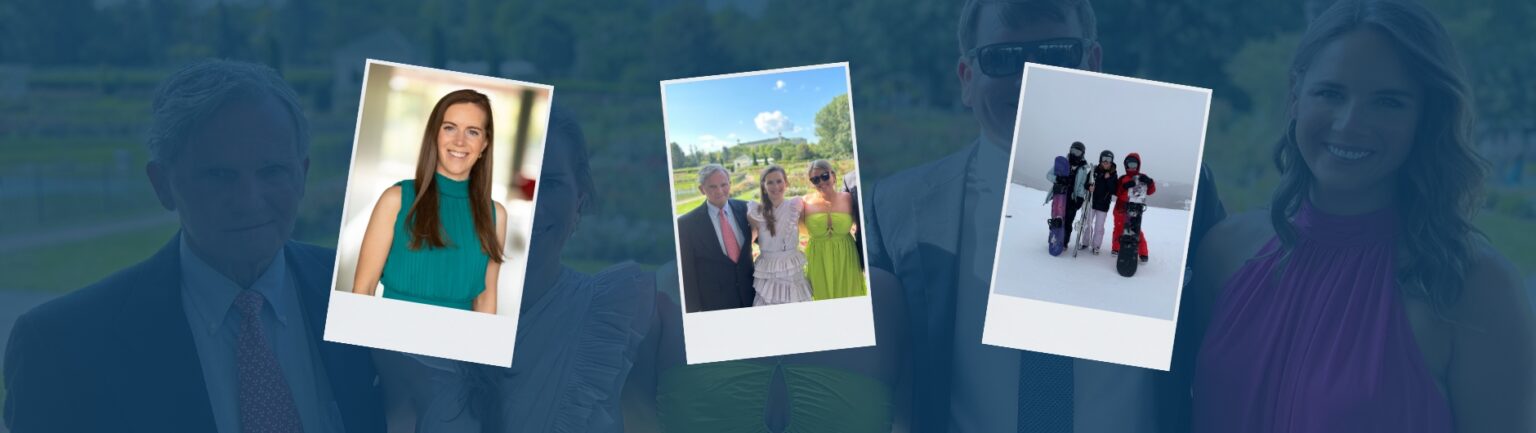
Dr. Nancy Ballantyne is a breast radiologist in Greensboro, North Carolina, where she serves as chair of onboarding and is also a member of the local practice board. Additionally, she is a member of the American College of Radiology, Radiological Society of North America and American Roentgen Ray Society. Outside of work, she enjoys playing tennis competitively, learning golf, snowboarding, exploring places in North Carolina, and spending time with family and friends.
We talked to Dr. Ballantyne to learn more about her career in radiology and why she joined RP.
Tell us about why you got into radiology.
Early on, I had the opportunity to shadow and work at a radiology practice in Greensboro, where I grew up. I shadowed a breast radiologist specifically and that really put radiology in the back of my mind. When I went on to medical school, I was drawn back to radiology. I enjoy how it’s visual and how it’s connected to all aspects of medicine. I can influence a lot of different parts of healthcare with radiology.
Breast imaging is patient-forward, too. You meet with patients, perform ultrasounds and help them through the process of getting a diagnosis. You can really connect with a patient. It’s a dynamic specialty, and I’m always learning something every day.
How did you connect with RP?
I finished my fellowship at Duke in 2020, and for my first job out of fellowship, I was looking at some practices in North Carolina. Word of mouth is huge, and I had connections at a practice in Greensboro. Some Duke graduates ahead of me had gone to work there, so I knew it was a solid practice that would be a good fit. The practice had just joined RP, and initially, I wasn’t sure what that would mean. Was it going to change the culture of the group or the way we did things? And I don’t think it has. It has always been a strong practice with great radiologists, and RP has helped emphasize our strengths and supported our growth. We have continued to practice medicine the way we know is best for our community, and we have remained committed to our goals and to patient care.
What excites you about RP?
The potential for leadership – we’ve had several leaders in our group who have taken on leadership roles within RP. This allows them to learn from other practices and leaders, and they bring that knowledge back to our practice to help us grow and develop leaders here. When I think about career advancement, I know I’m already in a place where I can take on leadership roles and build my career in the way that I want. That makes me want to stay in Greensboro at an RP practice.
RP has also given us the resources to get involved in different projects we otherwise wouldn’t be involved in, like AI. We have been at the forefront of some of the AI initiatives–and on the cutting edge of technology–because of RP. We have a couple of radiologists who are heavily involved in RP’s AI program, and we participated in early trials.
What are some of the unique features that RP offers that are hard to find elsewhere?
In addition to the AI and leadership opportunities that I mentioned, RP provides the infrastructure that supports everything from credentialing to benefits. As a doctor, it’s so helpful to have people who can assist you with these things and allow you to focus on your work serving patients. There is a lot of extra support you don’t have access to in a smaller group or in academics.
RP also offers the opportunity for mentorship, and I think it’s much harder to do that if you’re not part of a larger organization.
What does the future of radiology look like? How will RP contribute to that?
Radiology is evolving quickly, and it’s changing all the time. Some of these AI initiatives are going to continue to be a much larger part of the work that we do. We’re trying to adapt to that and figure out the best way to utilize it. RP is giving us the tools to be at the forefront and be the best that we can be as these things change.
Dr. Nancy Ballantyne (LinkedIn) earned her medical degree from University of North Carolina School of Medicine and completed her residency in breast radiology and fellowship in breast radiology at Duke University. She joined RP in 2020.
Radiology Partners, through its owned and affiliated practices, is a leading physician-led and physician-owned radiology practice in the U.S. Learn more about our mission, values and practice principles at RadPartners.com. For the latest news from RP, follow along on our blog and on Twitter, LinkedIn, Instagram and YouTube. Interested in learning about career opportunities? Visit our careers page.
Why RP? A Q&A with Dr. Jeffrey Wasserman, Breast Imaging Radiologist
Dr. Wasserman discusses how RP is changing the radiology landscape for the better.
Dr. Jeffrey Wasserman is a breast imaging radiologist and member of RP’s physician recruiting support board. Outside of radiology, he values spending time with his wife and two children; and he enjoys kayaking, sailing and camping in his home of Sarasota, Florida. We talked to Dr. Wasserman to learn more about his career in radiology and how he connected with RP in 2017.
“There are many benefits and features that RP offers you can’t find elsewhere. No other practice can connect leading radiology experts from across the country and scale the clinical resources available from those experts like RP.” – Dr. Jeffrey Wasserman
Why did you pursue radiology?
I was looking for a career that would allow me to stay up to date with the latest cutting-edge technology in medicine while still performing procedures. Radiology offers the opportunity to be on the front lines of healthcare innovation so that we can offer the best patient care.
What has your experience been like at RP?
My practice partnered with RP in 2017, and since then, RP has been an amazing experience for us. I’m excited to see RP change the radiology landscape for the better. There are many benefits and features that RP offers you can’t find elsewhere. RP’s dedication to enhancing technology, economics and efficiency of the practice of radiology directly supports improving care for our patients. No other practice can connect leading radiology experts from across the country and scale the clinical resources available from those experts like RP.
How will RP contribute to the future of radiology?
The future of radiology looks extremely bright due to the ability of RP to stabilize the market and continue to introduce new technologies that make us all practice radiology better.
Dr. Jeffrey Wasserman earned his medical degree from Philadelphia College of Osteopathic Medicine and completed his residency at Hahnemann University Hospital in Philadelphia.
Radiology Partners, through its owned and affiliated practices, is a leading physician-led and physician-owned radiology practice in the U.S. Learn more about our mission, values and practice principles at RadPartners.com. For the latest news from RP, follow along on our blog and on Twitter, LinkedIn, Instagram and YouTube. Interested in learning about career opportunities? Visit our careers page.


 Visit the Clinical Resources page for more cases and to see what we’ve developed to enhance best practice recommendations, elevate image quality and patient care and update current standards throughout RP’s network of practices, all to deliver excellent radiology services to patients, referring clinicians and client partners.