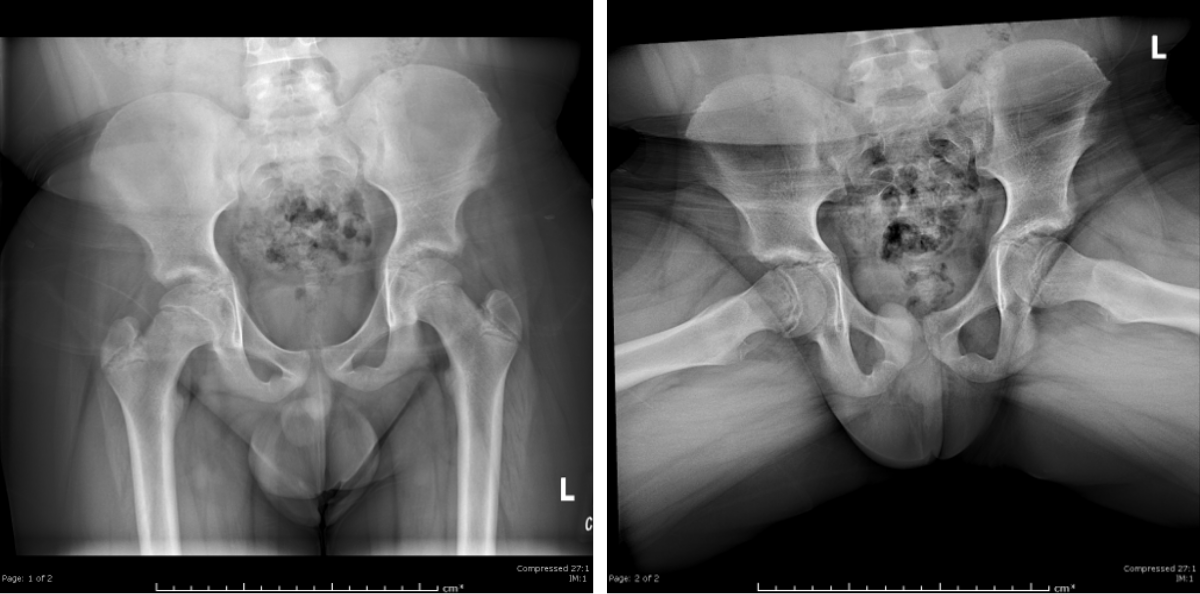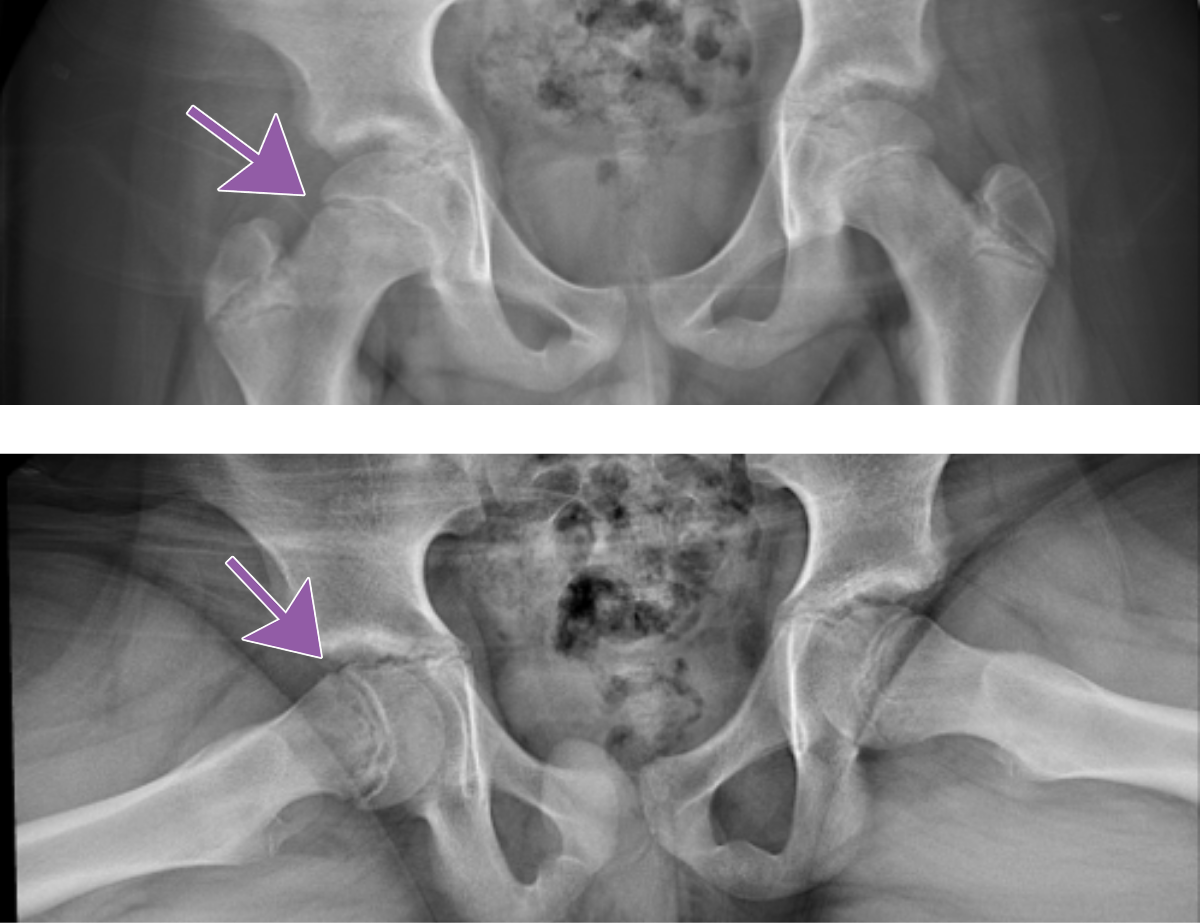
Rad to Rad Learning: Active GI Bleed on CTA

The Radiology Partners (RP) Interventional Radiology National Subspecialty Division (NSD) presents our newest Rad to Rad Learning case.


Peer Learning Opportunitymegaphone icon

Higher specificity and anatomic localization of CTA enhances speed and accuracy of GI bleed diagnosis.

Active GI Bleed on CTA

Arterial extravasation that increases on delayed phase is diagnostic of active bleeding.

Active GI Bleed on CTAShared to improve patient safety and healthcare delivery in the provision of radiology services. The circumstances and facts are changed, altered, or deidentified to preserve confidentiality. Privileges have not been waived.


Practical Insights duplicate icon

    • CTA is exam of choice to diagnose acute GI bleeding – quickly replacing tagged RBC scans.

    • CTA protocol: No oral contrast, must include non con, arterial and venous phase imaging.

    • Non contrast imaging is key to avoid false positives.

    • Faster diagnosis = improved embolization success.


Bell iconMultiphase CTA = Faster, more specific, better anatomic localization.

The Interventional Radiology National Subspecialty Division (NSD) is part of RP’s Clinical Value Team, whichworks to elevate patient care and enhance value through innovation, collaboration and education. To advance this goal, our radiologists and advanced practice providers are committed to sharing peer learning as valuable reminders and insights about what we encounter in our day-to-day practiceCheck back here and on XLinkedIn and Instagram to see these common cases and our findings.

Visit the Clinical Resources page for more cases and to see what we’ve developed to enhance best practice recommendations, elevate image quality and patient care and update current standards throughout RP’s network of practices, all to deliver excellent radiology services to patients, referring clinicians and client partners.

Radiology Partners, through its owned and affiliated practices, is a leading physician-led and physician-owned technology-enabled radiology practice in the U.S. For the latest news from RP, follow us on XLinkedInInstagramYouTube and the blog.


Rad to Rad Learning: Male Breast Cancer

The Radiology Partners (RP) Breast Imaging National Subspecialty Division (NSD) presents our newest Rad to Rad Learning case.


Peer Learning Opportunitymegaphone icon

While male breast cancer is rare, it is often diagnosed at a later stage with poorer outcomes.

Male Breast Cancer

Most commonly found in the subareolar region, frequently with secondary signs including nipple retraction or thickening.

Shared to improve patient safety and healthcare delivery in the provision of radiology services. The circumstances and facts are changed, altered, or deidentified to preserve confidentiality. Privileges have not been waived.
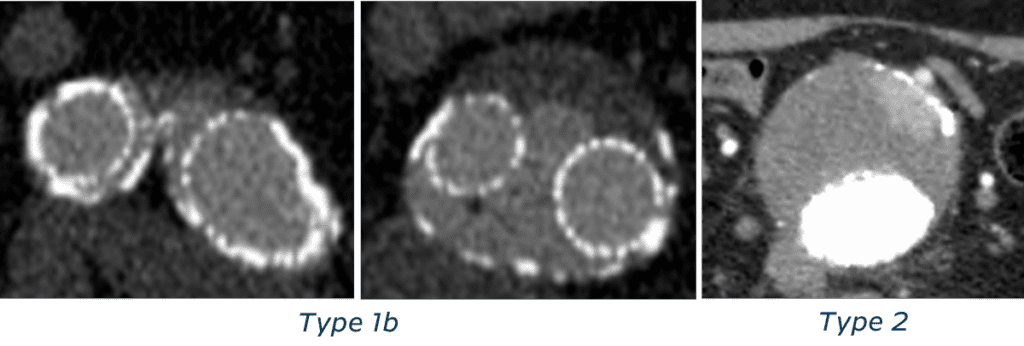
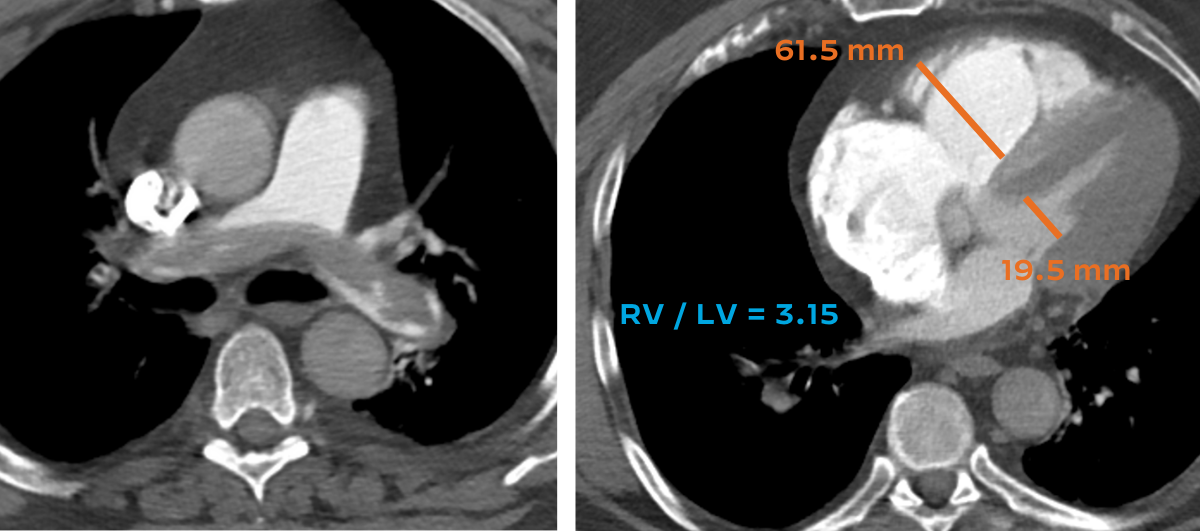
Practical Insights duplicate icon

    • Gynecomastia often presents as a retroareolar, flame-shaped density that gradually blends into the surrounding fat.

    • Can present with classic malignant features like spiculation or indistinct margins, but also as more benign-appearing oval or round shapes.

    • Any calcification should be considered suspicious.

    • US typically shows a hypoechoic solid mass with variable posterior acoustic properties and often increased vascularity on Doppler.


Bell iconAlways suspect malignancy if there is an irregular or spiculated retroareolar mass.

The Breast Imaging National Subspecialty Division (NSD) is part of RP’s Clinical Value Team, whichworks to elevate patient care and enhance value through innovation, collaboration and education. To advance this goal, our radiologists and advanced practice providers are committed to sharing peer learning as valuable reminders and insights about what we encounter in our day-to-day practiceCheck back here and on XLinkedIn and Instagram to see these common cases and our findings.

Visit the Clinical Resources page for more cases and to see what we’ve developed to enhance best practice recommendations, elevate image quality and patient care and update current standards throughout RP’s network of practices, all to deliver excellent radiology services to patients, referring clinicians and client partners.

Radiology Partners, through its owned and affiliated practices, is a leading physician-led and physician-owned technology-enabled radiology practice in the U.S. For the latest news from RP, follow us on XLinkedInInstagramYouTube and the blog.


Rad to Rad Learning: Hyperechoic Breast Lesions

The Radiology Partners (RP) Breast Imaging National Subspecialty Division (NSD) presents our newest Rad to Rad Learning case.


Peer Learning Opportunitymegaphone icon

Hyperechogenicity is typically associated with benign breast lesions, including hamartoma, lipoma, angiolipoma, hemangioma, hematoma, fat necrosis, fibrosis, and galactocele. However, some rare malignant lesions may also appear hyperechoic.

Presents with palpable mass
Presents with new bruise

Hyperechoic Breast Lesions

Presents with persistent palpable concern

Biopsy-proven Invasive Lobular Carcinoma

Mammogram of biopsy-proven invasive lobular carcinoma

Watch for subtle, suspicious features like irregular shape, non-circumscribed margins, non-parallel orientation, or posterior acoustic shadow.

Shared to improve patient safety and healthcare delivery in the provision of radiology services. The circumstances and facts are changed, altered, or deidentified to preserve confidentiality. Privileges have not been waived.

Practical Insights duplicate icon

    • Don’t dismiss a lesion simply because it is hyperechoic. Correlate US findings with other modalities and the patient’s clinical history.

    • Consider specific histologies, not only invasive ductal or lobular carcinomas.

    • Rare cancers like angiosarcoma, lymphoma, and metastases can also present.

    • Don’t hesitate to recommend a biopsy for suspicious lesions. Do not rely solely on the hyperechoic appearance to rule out malignancy.

    • Contrast-enhanced mammography is a promising alternative for dense breasts.


Bell iconHyperechoic breast lesions are not always benign.

The Breast Imaging National Subspecialty Division (NSD) is part of RP’s Clinical Value Team, whichworks to elevate patient care and enhance value through innovation, collaboration and education. To advance this goal, our radiologists and advanced practice providers are committed to sharing peer learning as valuable reminders and insights about what we encounter in our day-to-day practiceCheck back here and on XLinkedIn and Instagram to see these common cases and our findings.

Visit the Clinical Resources page for more cases and to see what we’ve developed to enhance best practice recommendations, elevate image quality and patient care and update current standards throughout RP’s network of practices, all to deliver excellent radiology services to patients, referring clinicians and client partners.

Radiology Partners, through its owned and affiliated practices, is a leading physician-led and physician-owned technology-enabled radiology practice in the U.S. For the latest news from RP, follow us on XLinkedInInstagramYouTube and the blog.


Rad to Rad Learning: False Negative in Dense Breast

The Radiology Partners (RP) Breast Imaging National Subspecialty Division (NSD) presents our newest Rad to Rad Learning case.


Peer Learning Opportunitymegaphone icon

Mammographic sensitivity can drop to as low as 50% in extremely dense breasts (Category D), compared to nearly 90% in fatty breasts (Category A).

Top: Screening 2021, Bottom: Screening 2024

Breast Screening 2021, breast screening 2024

False Negative in Dense Breast

Cancers detected by supplemental screening whole-breast ultrasound are often invasive, however small and node negative, indicating they are found at an early, more treatable stage.

Post-biopsy reflector. Right breast, 7:00.

Post biopsy reflector, Right breast 7:00Shared to improve patient safety and healthcare delivery in the provision of radiology services. The circumstances and facts are changed, altered, or deidentified to preserve confidentiality. Privileges have not been waived.

Practical Insights duplicate icon

    • Breast density is an interdependent risk factor for breast cancer.

    • Supplemental breast ultrasound can detect an additional 2-4 cancers per 1,000 women screened with dense breasts.

    • Ultrasounds have a high false positive rate. The positive predictive value is 5-10% (compared to 25-40% for mammography).

    • Women with dense breasts and other risk factors (e.g., strong family history, genetic mutations) may benefit most from supplemental MRI.

    • Contrast-enhanced mammography is a promising alternative for dense breasts.


Bell iconIn dense breasts, US can find additional clinically significant cancers.

The Breast Imaging National Subspecialty Division (NSD) is part of RP’s Clinical Value Team, whichworks to elevate patient care and enhance value through innovation, collaboration and education. To advance this goal, our radiologists and advanced practice providers are committed to sharing peer learning as valuable reminders and insights about what we encounter in our day-to-day practiceCheck back here and on XLinkedIn and Instagram to see these common cases and our findings.

Visit the Clinical Resources page for more cases and to see what we’ve developed to enhance best practice recommendations, elevate image quality and patient care and update current standards throughout RP’s network of practices, all to deliver excellent radiology services to patients, referring clinicians and client partners.

Radiology Partners, through its owned and affiliated practices, is a leading physician-led and physician-owned technology-enabled radiology practice in the U.S. For the latest news from RP, follow us on XLinkedInInstagramYouTube and the blog.


Rad to Rad Learning: Incidental Intra-Cardiac Lesions

The Radiology Partners (RP) Cardiothoracic Imaging National Subspecialty Division (NSD) presents our newest Rad to Rad Learning case.


Peer Learning Opportunitymegaphone icon

Although infrequent, intra-cardiac thrombi or masses have significant ramifications and can result in pulmonary or systemic embolization.

Incidental Intra-Cardiac Lesions

All three images are from CT abdomen/pelvis exams.

1. Left atrial appendage thrombus

2. Right artial mass.

3. Left ventricular mass.


CT of the heart showing cardiac lesions.Shared to improve patient safety and healthcare delivery in the provision of radiology services. The circumstances and facts are changed, altered, or deidentified to preserve confidentiality. Privileges have not been waived.

Practical Insights duplicate icon

    • Though motion artifacts and contrast flow artifacts can make the heart chambers difficult to assess, include them in your search patterns of non-cardiac examinations.


Bell iconThink beyond heart size and coronary calcifications when reviewing the heart.

The Cardiothoracic Imaging National Subspecialty Division (NSD) is part of RP’s Clinical Value Team, whichworks to elevate patient care and enhance value through innovation, collaboration and education. To advance this goal, our radiologists and advanced practice providers are committed to sharing peer learning as valuable reminders and insights about what we encounter in our day-to-day practiceCheck back here and on XLinkedIn and Instagram to see these common cases and our findings.

Visit the Clinical Resources page for more cases and to see what we’ve developed to enhance best practice recommendations, elevate image quality and patient care and update current standards throughout RP’s network of practices, all to deliver excellent radiology services to patients, referring clinicians and client partners.

Radiology Partners, through its owned and affiliated practices, is a leading physician-led and physician-owned technology-enabled radiology practice in the U.S. For the latest news from RP, follow us on XLinkedInInstagramYouTube and the blog.


Rad to Rad Learning: Ileocolic vs. Small Bowel Intussesception

The Radiology Partners (RP) Pediatric Radiology National Subspecialty Division (NSD) presents our newest Rad to Rad Learning case.


Peer Learning Opportunitymegaphone icon

Small bowel intussusceptions do not typically require management but can be mistaken for the urgent diagnosis of ileocolic intussusception.

Ileocolic vs. Small Bowel Intussusception

  • Images 1 & 2: (purple arrow)Mesenteric fat and (yellow arrow) lymph node inside ileocolic intussusception.

  • Image 3: Small bowel intussusception.


Images 1 & 2: (purple arrow)Mesenteric fat and (yellow arrow) lymph node inside ileocolic intussusception. Small bowel intussusception.Shared to improve patient safety and healthcare delivery in the provision of radiology services. The circumstances and facts are changed, altered, or deidentified to preserve confidentiality. Privileges have not been waived.

Practical Insights duplicate icon

    • Ileocolic Intussusception:

      • Location: RUQ or RLQ
      • Characteristics: size >2cm, mesenteric fat, lymph node
    • Small bowel intusssusception:

      • LocationL LLQ or LUQ
      • Characteristics: size <2cm, no fat, no lymph node
    • If uncertain, another scan can be obtained in ~30 minutes.


Bell icon<2cm LLQ intussusceptions are likely physiologic. If uncertain, reassess.

The Pediatric Radiology National Subspecialty Division (NSD) is part of RP’s Clinical Value Team, whichworks to elevate patient care and enhance value through innovation, collaboration and education. To advance this goal, our radiologists and advanced practice providers are committed to sharing peer learning as valuable reminders and insights about what we encounter in our day-to-day practiceCheck back here and on XLinkedIn and Instagram to see these common cases and our findings.

Visit the Clinical Resources page for more cases and to see what we’ve developed to enhance best practice recommendations, elevate image quality and patient care and update current standards throughout RP’s network of practices, all to deliver excellent radiology services to patients, referring clinicians and client partners.

Radiology Partners, through its owned and affiliated practices, is a leading physician-led and physician-owned technology-enabled radiology practice in the U.S. For the latest news from RP, follow us on XLinkedInInstagramYouTube and the blog.


Rad to Rad Learning: Carotid Cavernous Fistula

The Radiology Partners (RP) Neuroradiology National Subspecialty Division (NSD) presents our newest Rad to Rad Learning case.


Peer Learning Opportunitymegaphone icon

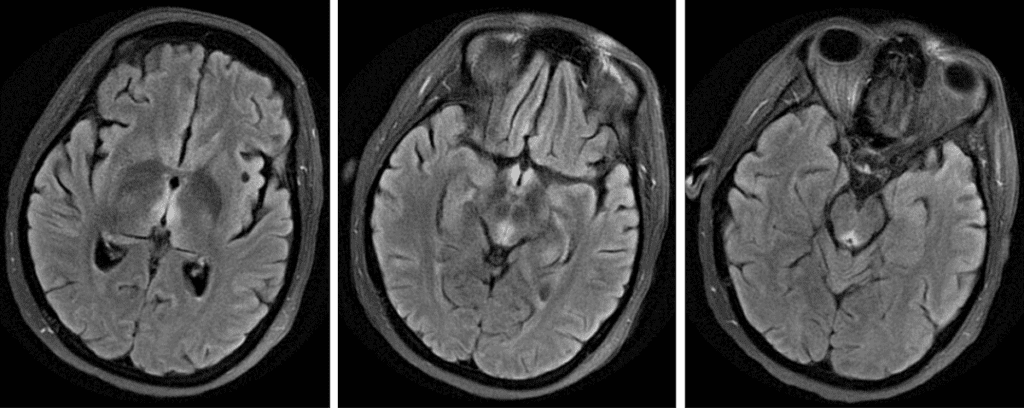
Permanent vision loss is seen in 10-20% of untreated cases. Intracranial hemorrhages or venous infarctions are seen in 5-10% of cases.

Carotid Cavernous Fistula

  • Asymmetric enhancement of left cavernous sinus and dilated left superior and inferior ophthalmic veins in arterial phase.

  • Type D Fistula is supplied from branches of external carotid arteries


MRI scan of the brain showing Asymmetric enhancement of left cavernous sinus and dilated left superior and inferior ophthalmic veins in arterial phase. Shared to improve patient safety and healthcare delivery in the provision of radiology services. The circumstances and facts are changed, altered, or deidentified to preserve confidentiality. Privileges have not been waived.

Practical Insights duplicate icon

    • Classic clinical triad of pulsatile proptosis, orbital bruit and conjunctival chemosis is often incomplete.

    • Cortical venous reflux indicates high risk of hemorrhage.

    • High-flow (Type A) CCF are often traumatic, develop abruptly and have worse prognosis.

    • Up to 70% of low-flow (Types B, C, D) may resolve spontaneously.

    • Cranial Nerva palsies II, IV, and VI are often reported.


Bell iconDynamic MRA or CTA initially, DSA for confirmation and treatment planning.

The Neuroradiology National Subspecialty Division (NSD) is part of RP’s Clinical Value Team, whichworks to elevate patient care and enhance value through innovation, collaboration and education. To advance this goal, our radiologists and advanced practice providers are committed to sharing peer learning as valuable reminders and insights about what we encounter in our day-to-day practiceCheck back here and on XLinkedIn and Instagram to see these common cases and our findings.

Visit the Clinical Resources page for more cases and to see what we’ve developed to enhance best practice recommendations, elevate image quality and patient care and update current standards throughout RP’s network of practices, all to deliver excellent radiology services to patients, referring clinicians and client partners.

Radiology Partners, through its owned and affiliated practices, is a leading physician-led and physician-owned technology-enabled radiology practice in the U.S. For the latest news from RP, follow us on XLinkedInInstagramYouTube and the blog.


Rad to Rad Learning: Post-Bariatric Surgery Complications

The Radiology Partners (RP) National Quality and Safety Committee presents our newest Rad to Rad Learning case.


Peer Learning Opportunitymegaphone icon

Bariatric surgeries have a high incidence of varied complications, such as staple line dehiscence, perforation, obstruction, vascular occlusion and postoperative volvulus.

Post-Bariatric Surgery Complications

Distinctive mesenteric vessel “swirl” visible with postoperative volvulus.


Distinctive mesenteric vessel "swirl" visible with postoperative volvulus.Shared to improve patient safety and healthcare delivery in the provision of radiology services. The circumstances and facts are changed, altered, or deidentified to preserve confidentiality. Privileges have not been waived.


Practical Insights duplicate icon

    • Particular attention should be paid to the integrity of the staple line, condition of the bowel and patency of mesenteric vessels.

    • Knowledge of typical post-operative anatomy is essential for accurate interpretation.

    • These studies should be performed with oral and intravenous contrast unless contraindicated.


Bell iconRecommend oral and intravenous contrast on bariatric surgery patients.

The National Quality and Safety Committee is part of RP’s Clinical Value Team, whichworks to elevate patient care and enhance value through innovation, collaboration and education. To advance this goal, our radiologists and advanced practice providers are committed to sharing peer learning as valuable reminders and insights about what we encounter in our day-to-day practiceCheck back here and on XLinkedIn and Instagram to see these common cases and our findings.

Visit the Clinical Resources page for more cases and to see what we’ve developed to enhance best practice recommendations, elevate image quality and patient care and update current standards throughout RP’s network of practices, all to deliver excellent radiology services to patients, referring clinicians and client partners.

Radiology Partners, through its owned and affiliated practices, is a leading physician-led and physician-owned technology-enabled radiology practice in the U.S. For the latest news from RP, follow us on XLinkedInInstagramYouTube and the blog.


Rad to Rad Learning: Pyloric Stenosis

The Radiology Partners (RP) Pediatric Radiology National Subspecialty Division (NSD) presents our newest Rad to Rad Learning case.

The Pediatric Radiology NSD is part of RP’s Clinical Value Team, whichworks to elevate patient care and enhance value through innovation, collaboration and education. To advance this goal, our radiologists and advanced practice providers are committed to sharing peer learning as valuable reminders and insights about what we encounter in our day-to-day practice.

Check back here and on XLinkedIn and Instagram to see these common cases and our findings.Pyloric StenosisVisit the Clinical Resources page for more cases and to see what we’ve developed to enhance best practice recommendations, elevate image quality and patient care and update current standards throughout RP’s network of practices, all to deliver excellent radiology services to patients, referring clinicians and client partners.

Radiology Partners, through its owned and affiliated practices, is a leading physician-led and physician-owned technology-enabled radiology practice in the U.S. For the latest news from RP, follow us on XLinkedInInstagramYouTube and the blog.Shared to improve patient safety and healthcare delivery in the provision of radiology services. The circumstances and facts are changed, altered, or deidentified to preserve confidentiality. Privileges have not been waived.


Rad to Rad Learning: Renal Angiomyolipoma

The Radiology Partners (RP) Interventional Radiology (IR) National Subspecialty Division (NSD) presents our newest Rad to Rad Learning case.

The IR NSD is part of RP’s Clinical Value Team, whichworks to elevate patient care and enhance value through innovation, collaboration and education. To advance this goal, our radiologists and advanced practice providers are committed to sharing peer learning as valuable reminders and insights about what we encounter in our day-to-day practice.

Check back here and on XLinkedIn and Instagram to see these common cases and our findings.Visit the Clinical Resources page for more cases and to see what we’ve developed to enhance best practice recommendations, elevate image quality and patient care and update current standards throughout RP’s network of practices, all to deliver excellent radiology services to patients, referring clinicians and client partners.

Radiology Partners, through its owned and affiliated practices, is a leading physician-led and physician-owned technology-enabled radiology practice in the U.S. For the latest news from RP, follow us on XLinkedInInstagramYouTube and the blog.Shared to improve patient safety and healthcare delivery in the provision of radiology services. The circumstances and facts are changed, altered, or deidentified to preserve confidentiality. Privileges have not been waived.